
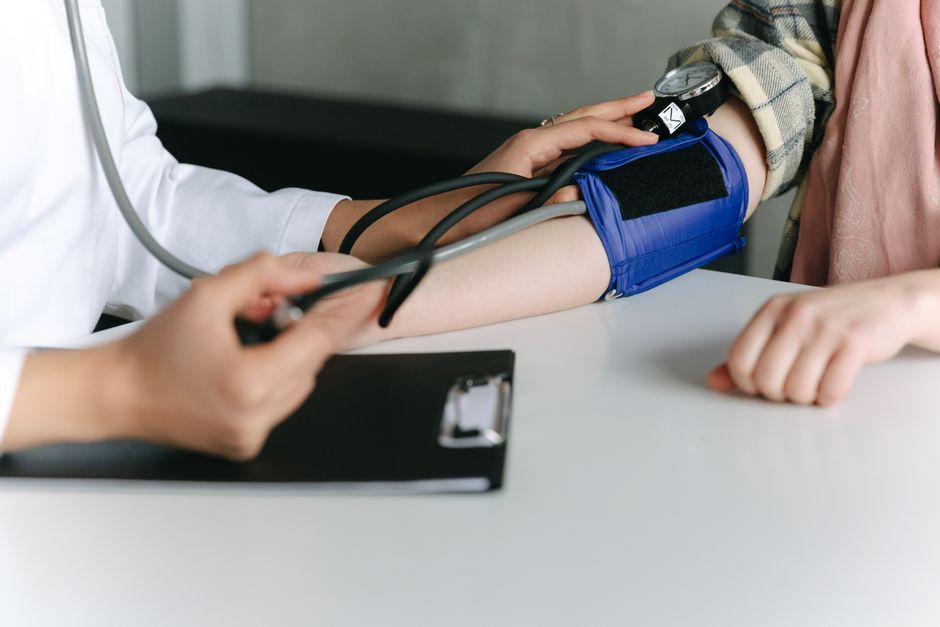
Blood pressure can spike within minutes when your body releases stress hormones, when you eat certain foods, or when you suddenly change position. These rapid jumps are different from long-term high blood pressure, which builds over months or years. Understanding what triggers a quick rise matters because sudden spikes can be dangerous, especially for people with existing heart conditions.
What Makes Blood Pressure Go Up Quickly: The Main Triggers
Your blood pressure is controlled by a complex system involving your heart, blood vessels, kidneys, and nervous system. When something disrupts this system quickly, your pressure can rise fast. The most common rapid triggers fall into a few clear categories.
Stress and strong emotions are among the fastest triggers. When you feel threatened or anxious, your body releases adrenaline and cortisol. These hormones make your heart beat faster and narrow your blood vessels. The result can be a blood pressure jump within seconds or minutes.
Caffeine can raise blood pressure shortly after consumption. It blocks a hormone that keeps blood vessels relaxed, causing them to tighten. The effect typically appears within 30 minutes and can last for several hours. For people who do not drink caffeine regularly, the effect is often more noticeable.
Certain medications can cause rapid increases. Decongestants found in cold medicines, some pain relievers, and certain stimulants all have this effect. Even prescription medications like some antidepressants can raise blood pressure quickly in some people.
Sudden physical exertion naturally raises blood pressure. Your muscles need more oxygen, so your heart pumps harder and faster. This is a normal response and usually returns to baseline after rest. However, for someone with uncontrolled high blood pressure, sudden intense exercise can be risky.
Can Certain Foods Cause an Immediate Spike?
Some foods and drinks can raise blood pressure quickly, though the effect varies from person to person. Salt is the most well-known culprit, but its rapid effect depends on how much you consume and how sensitive your body is to sodium.
In people who are salt-sensitive, a high-sodium meal can cause blood pressure to rise within hours. The body holds onto water to dilute the salt, which increases blood volume. More blood in your vessels means more pressure against the vessel walls.
Licorice is a lesser-known but powerful trigger. Real black licorice contains glycyrrhizin, a compound that causes the body to retain sodium and lose potassium. This can cause significant blood pressure increases, sometimes within a week of regular consumption. The FDA has warned about this effect.
Energy drinks combine caffeine with other stimulants like taurine and guarana. Research suggests these drinks can raise blood pressure more than coffee alone, though the exact mechanism is still being studied.
Alcohol can have a complicated effect. Small amounts may temporarily lower blood pressure, but heavy drinking causes it to rise. Binge drinking can produce a rapid and dangerous spike that lasts for hours.
The Role of Stress and Panic in Sudden Increases
Stress does not just affect how you feel — it physically changes your cardiovascular system. When you experience acute stress, your body activates the sympathetic nervous system. This is often called the fight-or-flight response.
Your heart rate increases. Your blood vessels constrict. Your blood pressure rises to prepare your body to respond to a perceived threat. This response is protective in short bursts, but it becomes problematic when triggered frequently.
Panic attacks can produce dramatic blood pressure elevations. During a panic attack, people often feel their heart racing and may fear they are having a heart attack. Blood pressure can climb to concerning levels during these episodes, then return to normal once the panic subsides.
Chronic stress keeps blood pressure elevated over time. But acute stress events — like a heated argument, a near-miss car accident, or receiving bad news — can cause sudden, sharp increases. These spikes are generally temporary, but they can be dangerous for people with weakened arteries or existing heart disease.



Medications and Substances That Cause Rapid Increases
Several common substances can raise blood pressure quickly. Being aware of these can help you understand unexpected readings.
- Decongestants like pseudoephedrine narrow blood vessels to relieve nasal congestion, but they also raise blood pressure.
- NSAIDs such as ibuprofen and naproxen can raise blood pressure by causing fluid retention and affecting kidney function.
- Stimulants including ADHD medications and illegal drugs like cocaine and methamphetamine cause rapid and sometimes severe blood pressure increases.
- Steroids including prednisone and anabolic steroids can raise blood pressure through fluid retention.
- Antidepressants particularly SNRIs like venlafaxine, can increase blood pressure in some patients.
- Birth control pills containing estrogen can raise blood pressure, especially in women who are older or who smoke.
If you take any of these regularly, check your blood pressure periodically. Discuss any significant changes with your doctor. Do not stop prescribed medications without medical supervision.
How to Tell If a Spike Is Dangerous
Not every blood pressure increase is an emergency. A reading of 140/90 during exercise or stress may be normal and temporary. The danger comes when pressure stays dangerously high or when spikes occur without an obvious trigger.
A hypertensive crisis is generally defined as a reading of 180/120 or higher. At this level, you should wait five minutes and check again. If it remains at or above this level, seek emergency care immediately, especially if you experience symptoms.
Symptoms that accompany a dangerous spike include:
- Severe headache
- Chest pain
- Shortness of breath
- Vision changes
- Numbness or weakness on one side of the body
- Difficulty speaking
These symptoms can indicate damage to organs like the brain, heart, or kidneys. Do not wait to see if they pass. Call emergency services.
What to Do When Your Blood Pressure Spikes
If you measure a high reading at home, take a moment before reacting. First, sit quietly for five minutes with your back supported and feet flat on the floor. Use a validated home monitor with an appropriately sized cuff. Measure again.
If the second reading is still high but below 180/120 and you feel fine, monitor it over the next few hours. Avoid caffeine, alcohol, and stressful situations. Rest and stay hydrated.
If the reading is 180/120 or higher, or if you have any symptoms, seek emergency care. Do not try to lower your blood pressure by taking extra doses of your medication. This can cause dangerously low blood pressure.
For frequent spikes, keep a log of your readings along with notes about what you were doing, eating, or feeling at the time. This information helps your doctor identify patterns and adjust your treatment.
Some people use breathing exercises to help lower blood pressure during stressful moments. Slow, deep breathing activates the parasympathetic nervous system, which counteracts the stress response. The evidence for this is modest, but it is safe and may help you feel calmer while you decide whether medical care is needed.
Preventing Sudden Blood Pressure Increases
You cannot control every trigger, but you can reduce how often your blood pressure spikes. The most important step is managing your baseline blood pressure. People with well-controlled blood pressure experience fewer dangerous spikes.
Limit caffeine if you are sensitive to it. The effect varies widely between individuals, so pay attention to how your body responds. Some research suggests that regular caffeine drinkers develop tolerance, but this is not true for everyone.
Read medication labels carefully. Check blood pressure warnings on over-the-counter products. Ask your pharmacist if you are unsure whether a medication affects blood pressure.
Learn to recognize your stress patterns. If arguments with a specific person or situations at work consistently raise your blood pressure, develop strategies to manage those moments. This might include stepping away, breathing exercises, or talking to a counselor.
Stay physically active. Regular exercise strengthens your heart, making it pump more efficiently. Over time, this can lower your resting blood pressure and reduce the size of stress-related spikes.
Monitor your blood pressure at home if your doctor recommends it. Home monitoring gives you a clearer picture of how your blood pressure behaves throughout the day. It also helps you catch dangerous spikes early.
Frequently Asked Questions
How quickly can blood pressure go up?
Blood pressure can rise within seconds to minutes when triggered by stress, adrenaline release, or certain substances like caffeine. The speed depends on the trigger and your individual sensitivity.
Can anxiety cause a sudden spike in blood pressure?
Yes, anxiety and panic attacks can cause rapid blood pressure increases through the release of stress hormones. These spikes are usually temporary and return to normal once the anxiety passes.
What is the most common cause of sudden high blood pressure?
Acute stress is the most common cause of sudden blood pressure spikes in otherwise healthy people. Medications, caffeine, and sudden physical exertion are also frequent triggers.
When should I go to the ER for high blood pressure?
Go to the emergency room if your reading is 180/120 or higher and stays there after five minutes of rest, especially if you have headache, chest pain, or vision changes. These symptoms may indicate organ damage.
