
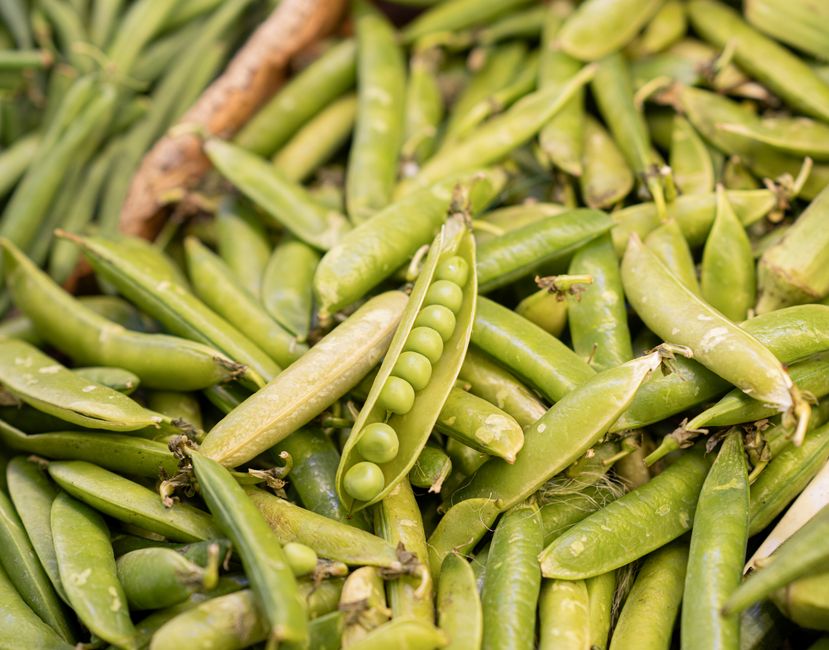
Beans and peas belong to a plant family called legumes, and they are the only major food group that delivers both a substantial dose of protein and a substantial dose of fiber in the same bite. That combination is rare. Meat gives you protein but no fiber. Grains give you fiber but modest protein. Beans and peas do both, while carrying almost no fat and a long list of minerals. This is what makes them unique foods, not a niche health trend.
What Makes Beans And Peas Unique Foods?
Their uniqueness rests on a specific nutritional profile that few other foods match. A cooked cup of most beans lands somewhere around 13 to 16 grams of fiber and 14 to 16 grams of protein, depending on the variety. Lentils and split peas run similar. That means a single serving can cover a meaningful share of both your daily fiber target and your protein needs.
The fiber itself is unusual. Beans and peas are dense in soluble fiber, the type that forms a gel in the gut and slows digestion. This is partly why they produce a slower, flatter rise in blood sugar than many other carbohydrate foods. The protein is also different from animal protein because it travels packaged with that fiber and with plant compounds called phytates and polyphenols.
Here is a detail that surprises people. The protein in beans and peas is often described as “incomplete,” but that label is misleading. Most legumes contain all nine essential amino acids. What they lack is enough of one specific amino acid, usually methionine, to be considered a complete protein on their own by older standards. In practice, eating beans alongside grains or rice fills that gap easily, and you do not need to combine them at the same meal for your body to use the protein.
How Do Beans And Peas Compare Nutritionally?
They are close cousins, but not identical. Peas, especially green peas, carry more starch and slightly less fiber by weight than most mature beans. Lentils cook faster and hold their shape better than many beans. The table below reflects typical cooked values from USDA nutritional data and will vary with variety and preparation.
| Food (1 cup cooked) | Protein | Fiber | Fat | Notable mineral |
|---|---|---|---|---|
| Black beans | ~15 g | ~15 g | ~0.5 g | Folate, iron |
| Chickpeas | ~15 g | ~12 g | ~4 g | Manganese, folate |
| Lentils | ~18 g | ~16 g | ~1 g | Iron, folate |
| Green peas | ~8 g | ~8 g | ~0.5 g | Vitamin C, vitamin K |
| Kidney beans | ~15 g | ~13 g | ~1 g | Iron, folate |
Green peas stand apart because they are picked immature and retain more vitamin C than dried beans. That is a real difference, though it does not change the core story. All of these foods share the same fundamental advantage: high protein plus high fiber, low fat, no cholesterol.
Why Is the Fiber in Beans and Peas Different From Other Fiber?
Not all fiber behaves the same way in the body, and legumes carry a mix that is hard to find elsewhere. They contain soluble fiber, insoluble fiber, and resistant starch, which is starch that escapes digestion in the small intestine and ferments in the colon.
That fermentation matters. Gut bacteria break down these fibers and produce short-chain fatty acids, including butyrate. Butyrate is the preferred fuel for the cells lining the colon. This is a well-established mechanism, not a marketing claim. It helps explain why diets rich in legumes are associated with digestive health in observational research.
The slower digestion also affects blood sugar. Because the fiber and protein slow the release of glucose into the bloodstream, beans tend to have a low glycemic index. Some studies suggest that regular legume intake can modestly improve blood sugar control in people with type 2 diabetes, though the effect size varies across trials and should not be read as a treatment.
What About the Gas? Understanding the Digestive Side
The gas is real, and it has a clear biological cause. Beans and peas contain oligosaccharides, a type of carbohydrate that human digestive enzymes cannot break down. When these reach the colon, bacteria ferment them and produce gas. That is the honest explanation, and it is not a sign that something is wrong.
Most people adapt. The gut bacteria that ferment these carbohydrates shift over weeks of regular intake, and gas tends to decrease. Starting with smaller portions and increasing gradually is the standard practical advice. Soaking dried beans and discarding the soaking water also removes some of the oligosaccharides. Canned beans, rinsed well, tend to be gentler for the same reason.
One non-obvious point. Rinsing canned beans does more than reduce sodium. It also washes away some of the fermentable sugars that cause gas, which is why many people tolerate canned beans better than home-cooked dried ones early on.
Are Beans and Peas Good for Heart Health?
Evidence points that direction, though it comes mostly from observational studies and trials measuring intermediate markers rather than hard outcomes. Diets that include legumes regularly are consistently linked with lower rates of heart disease in large population studies.
The mechanisms are well understood. Soluble fiber binds bile acids in the gut, which prompts the liver to pull cholesterol from the blood to make more, modestly lowering LDL cholesterol. Beans and peas are also high in potassium and low in sodium, a combination that supports healthy blood pressure. They contain no saturated fat and no cholesterol.
What the evidence does not show is that eating beans prevents heart attacks in any guaranteed way. The honest position is that they are a heart-healthy food within an overall pattern of eating, not a standalone protective agent.
How Should You Prepare and Eat More Beans and Peas?
Practical matters decide whether people actually eat them. Dried beans need soaking and long cooking. Canned beans need only rinsing. Frozen peas need nothing. All three count nutritionally, and the canned option is not a compromise worth feeling guilty about.
- Rinse canned beans well to reduce sodium and some of the gas-producing sugars.
- Add lentils to soups and stews; they cook in about 20 to 30 minutes without soaking.
- Use mashed beans as a base for dips or as a thickener for sauces.
- Start with a small serving, roughly half a cup, and increase over a few weeks to let your gut adjust.
- Keep frozen peas on hand as a fast vegetable that also adds protein.
One safety note worth stating plainly. Dried kidney beans in particular must be fully cooked before eating. Raw or undercooked kidney beans contain a compound called phytohaemagglutinin that can cause nausea and vomiting. Boiling for at least 10 minutes destroys it. Slow cookers set to low may not reach a high enough temperature, so pre-boil kidney beans before adding them to a slow cooker.
Do Beans and Peas Fit Into a Plant-Based Diet?
They are the backbone of most plant-based eating patterns for good reason. They supply the protein that people worry about when they cut back on meat, and they do it without the saturated fat. For anyone eating less animal protein, legumes are the most practical protein source that also delivers fiber.
The one nutrient worth attention is iron. The iron in beans and peas is non-heme iron, which the body absorbs less efficiently than the iron in meat. Pairing legumes with a source of vitamin C, such as tomatoes, citrus, or peppers, improves absorption. This is established nutrition science, not a fringe tip.
People with certain medical conditions, such as kidney disease requiring potassium restriction, may need to limit beans and peas. That is a conversation for a clinician, not a general rule.
Frequently Asked Questions
Are beans and peas actually a complete protein?
Most contain all nine essential amino acids but fall short on one, usually methionine, so older standards called them incomplete. Eating them with grains or across the day fills the gap, and combining them at the same meal is not required.
How much fiber is in one cup of beans?
Most cooked beans provide roughly 12 to 16 grams of fiber per cup, depending on the variety. Lentils are near the high end and green peas are lower at about 8 grams.
Why do beans cause gas and can you prevent it?
They contain oligosaccharides that human enzymes cannot digest, so gut bacteria ferment them and produce gas. Starting with small portions, soaking dried beans, and rinsing canned beans can reduce it while your gut adapts.
Are canned beans as healthy as dried beans?
Yes, nutritionally they are very close, though they often carry added sodium. Rinsing them well lowers the sodium and some of the gas-producing sugars.
