

The term “superfood” gets thrown around a lot, but it is not a scientific classification. A food earns the label through marketing and media attention, not through a formal definition from health authorities. The science is simpler: some foods are genuinely more nutrient-dense than others, and those are the ones worth your attention. The hype comes when a single food is treated as a cure-all, which no food actually is.
What Makes A Food A Superfood Science Vs Hype?
The scientific reality is that no single food can transform your health. What researchers actually study is nutrient density — the amount of vitamins, minerals, and beneficial compounds a food provides relative to its calories. Foods like blueberries, kale, salmon, and walnuts are called superfoods because they score high on this measure. They contain meaningful amounts of fiber, healthy fats, antioxidants, or micronutrients that support normal body function.
The hype enters when a food is promoted as having special powers beyond basic nutrition. No food prevents disease on its own. No food cancels out a poor diet. The evidence supports eating a variety of nutrient-dense foods regularly, not chasing individual “miracle” ingredients.
What Does The Science Actually Show About Nutrient-Dense Foods?
Research consistently shows that diets rich in vegetables, fruits, whole grains, legumes, nuts, and fish are linked to lower rates of chronic disease. This is one of the most well-established findings in nutritional epidemiology. The benefit comes from the overall dietary pattern, not from any single item within it.
When researchers isolate a single nutrient or food, the results are often disappointing. Beta-carotene supplements did not reduce lung cancer risk in smokers — some trials suggested harm. Antioxidant pills have not replicated the benefits of eating antioxidant-rich foods. This tells us something important: whole foods contain complex mixtures of compounds that work together in ways isolated supplements cannot replicate.
The foods commonly called superfoods are simply the most nutrient-dense options within their food groups. Salmon is a fatty fish rich in omega-3s and vitamin D. Kale is a leafy green packed with vitamins A, C, and K. Blueberries are high in flavonoids. These are all excellent foods. But they are excellent because they are nutrient-dense, not because they contain magic.
Which Foods Are Genuinely Backed By Evidence?
Some foods have stronger evidence behind them than others. The following list reflects foods that appear consistently in dietary patterns associated with better health outcomes:
- Fatty fish — salmon, sardines, mackerel. Rich in omega-3 fatty acids and vitamin D.
- Leafy greens — spinach, kale, Swiss chard. High in folate, vitamin K, and carotenoids.
- Berries — blueberries, strawberries, raspberries. Concentrated sources of flavonoids and fiber.
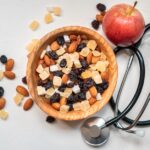
- Nuts and seeds — walnuts, almonds, flaxseeds, chia seeds. Provide healthy fats, magnesium, and plant protein.
- Legumes — lentils, chickpeas, beans. Excellent sources of fiber and plant protein.
- Whole grains — oats, quinoa, brown rice. Contain more fiber and micronutrients than refined grains.
- Fermented foods — yogurt, kefir, sauerkraut. Provide probiotics that support gut bacteria diversity.
- Cruciferous vegetables — broccoli, Brussels sprouts, cabbage. Contain glucosinolates, compounds under study for their effects on cell health.
These foods appear in eating patterns like the Mediterranean diet, which has the strongest evidence base for reducing cardiovascular disease risk. The consistent finding across decades of research is that people who eat these foods regularly tend to have better health outcomes than those who do not.



Why Do Some “Superfoods” Fail The Evidence Test?
Many foods marketed as superfoods have thin or conflicting evidence. Wheatgrass, activated charcoal, and various exotic berries are often promoted with bold claims. The evidence for most of these is limited to small studies, animal research, or laboratory experiments that do not translate to human health benefits.
Take wheatgrass as an example. It contains chlorophyll and some vitamins, but no large human trials have confirmed meaningful health benefits. The same applies to many other trending foods. A food can be healthy without being a superfood — and a food can be marketed as a superfood without being meaningfully healthy.
A useful rule: if a food has been eaten by large populations for generations and appears in traditional dietary patterns, it likely has real nutritional value. If a food is suddenly popular because of a celebrity endorsement or a viral video, treat the claims with skepticism until you see actual research.
How Much Do Antioxidant Levels Actually Matter?
Antioxidants are a major part of superfood marketing. The logic seems straightforward: oxidative stress damages cells, antioxidants neutralize it, so eating more antioxidants should protect health. The reality is more complicated.
Laboratory tests that measure antioxidant capacity — like ORAC scores — tell you how a food behaves in a test tube. They do not tell you how that food behaves in the human body. Many antioxidants are poorly absorbed. Others are modified by digestion. The body also produces its own antioxidants and regulates oxidative stress through complex systems that cannot be reduced to a single number.
The FDA and the European Food Safety Authority have both rejected health claims based on antioxidant capacity measurements. That does not mean antioxidant-rich foods are useless. It means the marketing language around “antioxidant power” oversimplifies how these compounds work. Eating a diet rich in plant foods provides a wide range of phytochemicals, and the cumulative effect appears beneficial — but the dosage-focused language used in product marketing is not supported by evidence.
Are There Any Risks To Eating So-Called Superfoods?
For most people, eating nutrient-dense foods carries minimal risk. The problem arises when people overconsume a single food or use supplements instead of food. Some specific concerns are worth noting:
- Kale and other cruciferous vegetables contain goitrogens, compounds that can interfere with thyroid function in very large amounts. Normal dietary intake is not a concern for healthy people.
- Spinach and Swiss chard are high in oxalates, which can contribute to kidney stone formation in susceptible individuals.
- Fish can contain mercury and other contaminants. Pregnant women and young children should follow established guidance on fish consumption.
- Supplements of concentrated nutrients — like high-dose vitamin A or beta-carotene — can be harmful in excess. Food sources rarely cause this problem.
None of this means avoiding these foods. It means eating them as part of a varied diet rather than as daily mega-doses. The evidence supports variety, not fixation.
How Should You Actually Choose What To Eat?
The practical answer is straightforward: prioritize whole foods over processed ones, and eat a wide variety of plant foods and lean proteins. No single food is essential. No single food is forbidden for most people. The overall pattern of your diet matters far more than any individual item.
If you enjoy foods commonly called superfoods, include them. They are healthy choices. But if you do not like kale or blueberries, there is no evidence you need to force yourself to eat them. Other vegetables and fruits provide similar benefits. The best diet is the one you can maintain consistently, and that means choosing foods you actually enjoy.
When you see a claim about a superfood, ask three questions. Is there human research on this food, not just animal or laboratory studies? Does the claim make sense in the context of a normal diet, or does it require extreme amounts? And is the source selling something? Answers to these questions will separate real nutrition from marketing.
Frequently Asked Questions
Are superfoods a real scientific category?
No. “Superfood” is a marketing term, not a scientific classification. Health authorities like the FDA do not recognize or define the term.
Can eating superfoods prevent disease?
No single food prevents disease. Dietary patterns rich in vegetables, fruits, whole grains, and fish are linked to lower chronic disease risk, but the benefit comes from the overall pattern.
Are expensive superfoods better than regular healthy foods?
Price does not determine nutritional value. Ordinary foods like cabbage, carrots, and canned beans are as nutrient-dense as many expensive trending foods.
Should I take antioxidant supplements instead of eating superfoods?
No. Clinical trials of antioxidant supplements have not shown the same benefits as eating antioxidant-rich foods, and some high-dose supplements may cause harm.
