
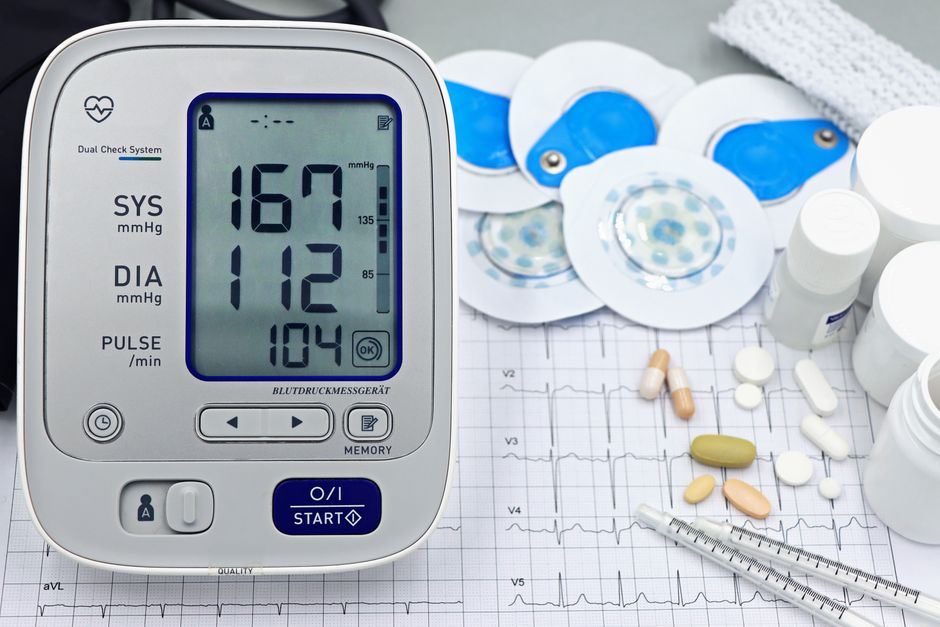
Your blood test results are back, and there it is: LDL cholesterol. If your doctor or the lab flagged it, you may be wondering what that number actually means for your health. LDL stands for low-density lipoprotein, and it is often called the “bad” cholesterol because it carries cholesterol to your arteries. When levels are too high, that cholesterol can build up as plaque, narrowing your blood vessels and raising your risk of heart attack and stroke. Understanding your LDL number is one of the most direct ways to gauge your cardiovascular risk and decide what to do next.
What Is LDL Cholesterol and Why Does It Matter?
Cholesterol is a waxy, fat-like substance that your body needs to build cell membranes and make hormones. It does not dissolve in blood, so your liver packages it into lipoproteins—combination particles of fat and protein—to transport it through your bloodstream.
LDL carries cholesterol from the liver to the cells that need it. Problems arise when there is too much LDL circulating. The excess cholesterol can deposit inside the walls of your arteries, a process called atherosclerosis. Over years, these deposits harden into plaque, stiffening the arteries and narrowing the passage for blood flow. If a plaque ruptures, a blood clot can form and block the artery entirely, causing a heart attack or stroke.
What Is a Normal LDL Level?
Your LDL is measured in milligrams per deciliter (mg/dL) of blood. The numbers below are the standard clinical categories used by major medical organizations in the United States.
- Optimal: Less than 100 mg/dL
- Near optimal: 100–129 mg/dL
- Borderline high: 130–159 mg/dL
- High: 160–189 mg/dL
- Very high: 190 mg/dL and above
These ranges apply to the general population. Your personal target may be different. If you already have heart disease, diabetes, or a high calculated risk score, your doctor will likely want your LDL well below 100 mg/dL, sometimes below 70 mg/dL. The target depends on your individual risk profile, not just the number on the lab slip.
What Ldl Cholesterol Means On Your Blood Test: The Full Picture
Your LDL number is one piece of a larger puzzle. A standard lipid panel also includes total cholesterol, HDL (high-density lipoprotein) cholesterol, and triglycerides. HDL is the “good” cholesterol because it helps remove cholesterol from the arteries. Triglycerides are another type of fat in the blood that also contributes to risk when elevated.
Doctors use the entire panel—not just LDL—to estimate your 10-year risk of a cardiovascular event. The most common tools are the ASCVD risk calculator from the American College of Cardiology and the American Heart Association. This calculator factors in your age, sex, race, blood pressure, cholesterol levels, smoking status, and diabetes diagnosis. A high LDL matters more when other risk factors are present.
One important detail: an LDL level of 190 mg/dL or higher is considered a marker of genetic risk. It may indicate familial hypercholesterolemia, an inherited condition that causes very high cholesterol from a young age. If your LDL is that high, guidelines recommend aggressive treatment regardless of your other risk factors.




How Is LDL Measured and Are the Tests Accurate?
LDL is usually calculated, not measured directly. The lab measures your total cholesterol, HDL, and triglycerides, then uses a formula to estimate LDL. The most common equation is the Friedewald formula, which works reasonably well when your triglyceride level is normal. If your triglycerides are very high—above 400 mg/dL—the calculation becomes unreliable, and the lab may measure LDL directly instead.
Fasting before the test was once standard practice. Current guidelines allow non-fasting lipid panels for most people, since eating has only a small effect on LDL and total cholesterol. Triglycerides do rise after meals, so if your triglycerides come back high, your doctor may ask for a repeat test while fasting.
Your LDL can vary slightly from day to day due to diet, stress, and even posture during the blood draw. A single high reading is usually confirmed with a second test before starting treatment, unless the number is extremely high or you already have cardiovascular disease.
What Causes High LDL Cholesterol?
Several factors contribute to elevated LDL. Some are within your control, and some are not.
Diet is a major driver. Saturated fats—found in red meat, full-fat dairy, butter, and tropical oils like coconut and palm oil—raise LDL levels. Trans fats, now largely banned in the U.S., are even worse. Dietary cholesterol itself has a smaller effect than saturated fat for most people, though some individuals are more sensitive to it.
Genetics play a substantial role. Some people inherit genes that make their liver remove LDL from the blood more slowly. This is why two people can eat identical diets and have very different cholesterol levels. If you have a family history of early heart disease or high cholesterol, your genetic risk is higher.
Lifestyle factors also matter. Physical inactivity, excess body weight, and smoking all tend to lower HDL and can raise LDL. Smoking also damages the artery walls directly, making the cholesterol that does deposit more dangerous.
Medical conditions can push LDL up as well. Hypothyroidism, diabetes, kidney disease, and polycystic ovary syndrome are all associated with higher LDL. Certain medications, including some diuretics and corticosteroids, can also raise cholesterol levels.
How to Lower LDL Cholesterol
If your LDL is elevated, the first step is usually lifestyle change. The evidence for these changes is strong, and they work for most people—though the magnitude of the effect varies.
Dietary changes can lower LDL by roughly 10–20% in many people. The most effective approach is replacing saturated fats with unsaturated fats. Olive oil, nuts, avocados, and fatty fish are good sources. Increasing soluble fiber—found in oats, beans, lentils, apples, and psyllium—helps your body excrete cholesterol. Plant sterols and stanols, added to some margarines and supplements, also block cholesterol absorption in the gut.
Physical activity has a modest direct effect on LDL, but it significantly raises HDL and lowers triglycerides. The combination is beneficial even if your LDL number does not drop dramatically. Aim for at least 150 minutes of moderate-intensity aerobic activity per week, which is the standard public health recommendation.
Weight loss of even 5–10% of body weight can lower LDL, especially when the weight is carried around the abdomen. Losing weight also improves blood pressure and blood sugar, reducing overall risk.
If lifestyle changes are not enough, or if your LDL is very high, medications are the next step. Statins are the first-line drug class. They work by blocking an enzyme in the liver that produces cholesterol, and they have the strongest evidence for reducing heart attacks and strokes. Other medications include ezetimibe, which blocks cholesterol absorption, and PCSK9 inhibitors, which are injectable drugs that dramatically lower LDL for people with genetic high cholesterol or those who cannot tolerate statins.
It is worth noting that supplements like red yeast rice, berberine, and garlic are widely marketed for cholesterol. Red yeast rice contains a natural statin-like compound and can lower LDL, but its potency is unregulated and varies by brand. The evidence for berberine and garlic is mixed, and no large clinical trials have confirmed that these supplements reduce heart attacks or strokes. If you choose to use them, tell your doctor—they can interact with prescription medications.
Can LDL Be Too Low?
This is a question people ask less often, but it matters. Very low LDL levels—below 40 mg/dL—are occasionally seen in people taking high-dose statins combined with other medications. The evidence so far does not show harm from these very low levels. Brain and nerve tissue contain cholesterol, but the body manufactures what it needs locally and does not rely on blood LDL for those functions.
Some observational research has suggested a possible association between very low cholesterol and hemorrhagic stroke, but the data are inconsistent and the absolute risk appears small. For people at high cardiovascular risk, the benefits of aggressive LDL lowering clearly outweigh this theoretical concern. Most guidelines do not set a lower limit for LDL.
Frequently Asked Questions
What is the difference between LDL and HDL cholesterol?
LDL carries cholesterol to your arteries and can cause plaque buildup, while HDL carries cholesterol away from the arteries to the liver for disposal. Higher LDL is bad, and higher HDL is generally good.
How often should I get my cholesterol checked?
Adults should have a lipid panel every 4 to 6 years starting at age 20. More frequent testing is recommended if you have high cholesterol, diabetes, heart disease, or a strong family history of early cardiovascular disease.
Can I lower my LDL cholesterol without medication?
Yes, many people can lower LDL by 10–20% through diet, exercise, and weight loss. However, if your LDL is very high or you have other risk factors, medication may still be necessary to reach a safe target.
Does eating eggs raise LDL cholesterol?
For most people, dietary cholesterol in eggs has a small effect on blood LDL compared with saturated fat. Eating eggs in moderation is generally fine, but if you have diabetes or existing heart disease, check with your doctor about your personal limit.
