
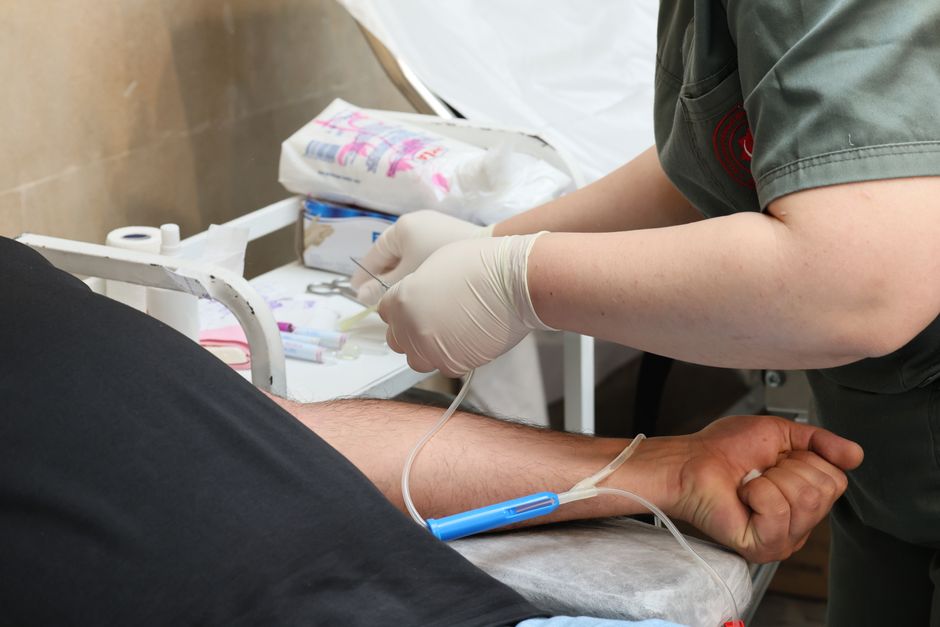
If your doctor suspects Sjögren’s syndrome, the first clue often shows up in a blood draw. The most common abnormal labs are a positive ANA (antinuclear antibody), anti-SSA/Ro and anti-SSB/La antibodies, and a low white blood cell count. Many people also have low platelet counts, anemia, and a high erythrocyte sedimentation rate (ESR) or C-reactive protein (CRP).
Sjögren’s is an autoimmune disease. The immune system mistakenly attacks moisture-producing glands, which is why dry eyes and dry mouth are the classic symptoms. But the condition does not stay in the glands. It can affect the joints, lungs, kidneys, nerves, and blood. That is why lab work matters. It helps confirm the diagnosis, rule out other conditions, and show whether the disease is affecting organs beyond the glands.
No single lab test diagnoses Sjögren’s on its own. Doctors combine blood results, symptoms, and often a lip biopsy or a Schirmer’s test for tear production to reach a diagnosis.
What Labs Are Abnormal With Sjogrens Syndrome?
Blood tests are the main way doctors look for Sjögren’s. Several markers can come back abnormal, and each one tells a different part of the story.
The antinuclear antibody (ANA) test is often the first one ordered. A positive ANA means the immune system is making antibodies that target the body’s own cells. It is common in Sjögren’s, but it is not specific. A positive ANA also appears in lupus, rheumatoid arthritis, and even in some healthy people. So a positive result supports the picture but does not confirm it.
The anti-SSA (Ro) and anti-SSB (La) antibodies are more closely tied to Sjögren’s. These are the most characteristic antibodies for the disease. Anti-SSA is more common than anti-SSB. When either is positive along with dry eyes and dry mouth, the diagnosis becomes much more likely. These antibodies also carry extra meaning, which we will get to below.
Other routine labs can shift too:
- Low white blood cell count (leukopenia): A drop in infection-fighting cells is fairly common in Sjögren’s.
- Low platelet count (thrombocytopenia): Platelets help blood clot, and their numbers can fall.
- Anemia: Low red blood cells or low hemoglobin can appear, often from chronic inflammation.
- High ESR or CRP: These measure general inflammation. They are not specific to Sjögren’s but can be elevated.
- High rheumatoid factor (RF): This antibody is linked to rheumatoid arthritis but also shows up in many people with Sjögren’s.
One thing worth knowing: a normal ANA or normal antibody panel does not rule out Sjögren’s. Some people with the disease test negative for these markers, which is called seronegative Sjögren’s. In those cases, doctors lean more heavily on symptoms and a lip biopsy.
What Do Anti-SSA and Anti-SSB Antibodies Mean?
Anti-SSA and anti-SSB are the antibodies most associated with Sjögren’s syndrome. They are part of a group called extractable nuclear antigen (ENA) antibodies. When these come back positive, they strengthen the case for Sjögren’s and can point to how the disease may behave.
People with anti-SSA or anti-SSB tend to have more active disease and a higher chance of certain complications. Anti-SSA in particular is linked to a higher risk of problems outside the glands, including lung and nerve involvement. It is also strongly connected to a specific pregnancy risk.
If a woman with these antibodies becomes pregnant, the antibodies can cross the placenta and affect the baby. This can cause a temporary rash and, in rare cases, a condition called congenital heart block, which affects the baby’s heart rhythm. This is not common, but it is serious enough that pregnancy in someone with anti-SSA or anti-SSB is managed with extra monitoring. This is a case where the antibody result directly changes medical care.
Anti-SSB is less common than anti-SSA and is often found alongside it. On its own, anti-SSB is less strongly linked to complications than anti-SSA.
It helps to understand that these antibodies are markers, not the cause of symptoms. They tell doctors about the immune system’s activity and help predict risk. They do not measure how dry your eyes or mouth feel on a given day.
Why Do These Labs Become Abnormal?
Sjögren’s is an autoimmune disease, which means the immune system loses its ability to tell “self” from “foreign.” Instead of only attacking viruses and bacteria, it starts producing antibodies against the body’s own tissues.
In Sjögren’s, the main targets are the glands that produce tears and saliva. Immune cells move into these glands and cause inflammation. Over time, this inflammation damages the glands and reduces how much moisture they produce. That is the mechanism behind the dry eyes and dry mouth.
The abnormal labs are a window into this process. ANA and the ENA antibodies are the footprints of an immune system that has turned on the body. The low blood cell counts happen because the same misguided immune activity can attack blood cells or suppress their production in the bone marrow. The elevated ESR and CRP reflect the ongoing inflammation.
This is why the labs and the symptoms usually travel together. The disease process that dries out the glands is the same process that produces the abnormal blood results.
Can Labs Be Normal in Sjogrens Syndrome?
Yes. A person can have Sjögren’s and still have normal blood work. This surprises many people, but it is well recognized.
Some people never develop the classic antibodies. Their ANA may be negative, and their anti-SSA and anti-SSB may be negative too. Their blood counts and inflammation markers may look normal. When symptoms strongly suggest Sjögren’s but the labs do not confirm it, doctors look for other evidence.
The two main tools in that situation are a lip biopsy and an eye or mouth test. A lip biopsy takes a tiny sample of salivary gland tissue from the inner lip and checks it for clusters of immune cells. A Schirmer’s test measures tear production by placing a small strip of paper under the lower eyelid. A salivary flow test measures how much saliva the mouth produces. These tests look at the glands directly rather than at the blood.
This is why a normal lab result should not be treated as proof that nothing is wrong. If you have persistent dry eyes, dry mouth, joint pain, or fatigue, the full picture matters more than any single number.
How Are Sjogrens Labs Different From Other Autoimmune Diseases?
Sjögren’s shares overlapping lab features with other autoimmune conditions, which can make diagnosis tricky. Lupus and rheumatoid arthritis, in particular, produce some of the same abnormal results.
A positive ANA appears in all three. Rheumatoid factor can be positive in Sjögren’s and rheumatoid arthritis. Low blood counts and high inflammation markers show up across many autoimmune diseases. So doctors cannot rely on one test. They look at the pattern of antibodies, the specific symptoms, and the physical exam together.
The table below shows how the main markers tend to line up. It is a general guide, not a rule. Real results vary, and overlap is common.
| Lab Marker | Common in Sjögren’s? | Also Seen In |
|---|---|---|
| ANA (antinuclear antibody) | Often positive | Lupus, rheumatoid arthritis, healthy people |
| Anti-SSA (Ro) | Common and characteristic | Lupus, sometimes other conditions |
| Anti-SSB (La) | Less common, often with anti-SSA | Lupus |
| Rheumatoid factor | Often positive | Rheumatoid arthritis |
| Low white blood cells | Fairly common | Lupus, infections, medications |
| Low platelets | Can occur | Lupus, other blood disorders |
| High ESR or CRP | Can be elevated | Many inflammatory conditions |
The anti-SSA and anti-SSB antibodies are the most useful for separating Sjögren’s from these other diseases. That is why doctors often order them specifically when Sjögren’s is suspected.
What Else Do Doctors Check Beyond Antibodies?
Once Sjögren’s is suspected or confirmed, doctors may run additional tests to see whether the disease is affecting organs beyond the glands. Sjögren’s can involve the lungs, kidneys, liver, nerves, and blood, so a broader look is sometimes needed.
- Complete blood count (CBC): Checks red cells, white cells, and platelets for the low counts mentioned earlier.
- Comprehensive metabolic panel: Looks at kidney and liver function, which can be affected in some people.
- Thyroid tests: Thyroid problems are common alongside Sjögren’s and can add to fatigue and dryness.
- Vitamin D and other nutritional labs: Sometimes checked because deficiencies can worsen fatigue and bone health.
- Lung function tests and imaging: Used if there are breathing symptoms, since Sjögren’s can affect the lungs.
Not everyone needs all of these. The tests ordered depend on symptoms, exam findings, and how the disease is behaving. A person with only dry eyes and mouth may need far fewer tests than someone with joint pain, fatigue, and breathing changes.
It is also worth separating two ideas. Some tests confirm the diagnosis. Others monitor the disease over time. A doctor might repeat blood counts or inflammation markers to track whether the condition is stable or changing. The antibody tests usually do not need to be repeated often, because those results tend to stay the same.
What Should You Do With Abnormal Results?
An abnormal lab result is a starting point, not a final answer. A single positive ANA means little on its own. It becomes meaningful when it fits with symptoms and other findings.
If you have dry eyes, dry mouth, and a positive anti-SSA or anti-SSB, that combination is strong. If your labs are normal but your symptoms persist, that does not close the door either. Talk with your doctor about whether a lip biopsy or gland function test makes sense.
Bring your questions. Ask which markers were tested, what the results mean in your specific case, and whether more testing is needed. Autoimmune diagnosis is often a process of piecing together evidence over time rather than a single moment of clarity.
The labs are one important part of that process. They help confirm what is happening, guide monitoring, and in some cases change how care is managed. But they work best when read alongside your symptoms and your doctor’s exam, not in isolation.
Frequently Asked Questions
What is the most common abnormal lab in Sjogren’s syndrome?
A positive antinuclear antibody (ANA) is the most common abnormal result. Anti-SSA and anti-SSB antibodies are more specific to Sjögren’s but are not positive in everyone.
Can you have Sjogren’s syndrome with normal blood tests?
Yes. Some people with Sjögren’s test negative for the usual antibodies and have normal blood counts. In those cases, doctors may use a lip biopsy or a tear and saliva production test to support the diagnosis.
What does a positive anti-SSA antibody mean?
Anti-SSA is one of the antibodies most closely linked to Sjögren’s syndrome. It can also point to a higher chance of certain complications, including effects on the lungs, nerves, and, during pregnancy, the baby’s heart rhythm.
Do Sjogren’s labs change over time?
Antibody results like ANA, anti-SSA, and anti-SSB usually stay fairly stable. Blood counts and inflammation markers can rise or fall, so doctors may repeat those to track how the disease is behaving.
