
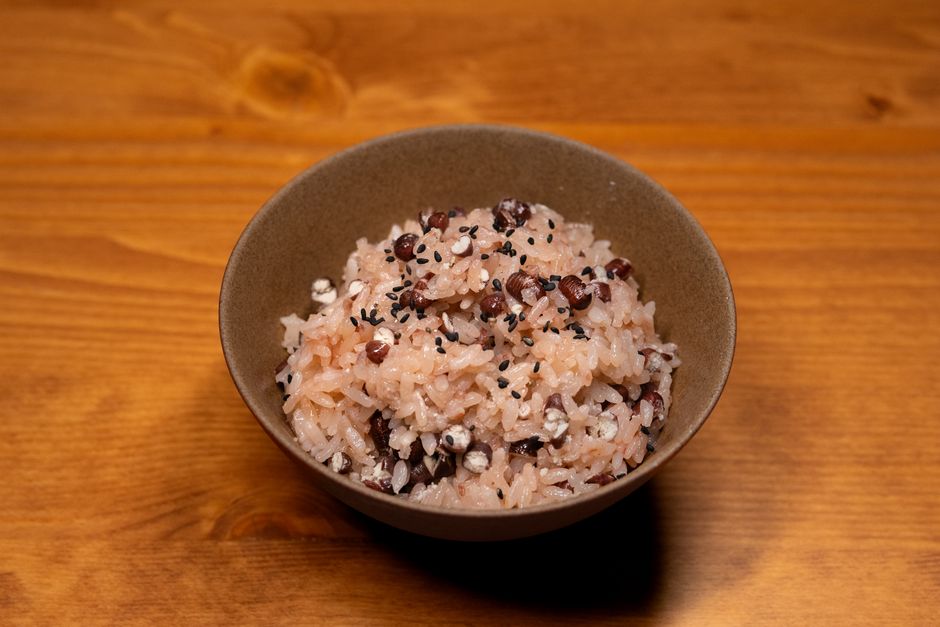
If you have ever sat down to a Korean meal, you have probably noticed that the rice is different. It is shorter, stickier, and clumps together on the spoon rather than falling apart. The everyday rice Koreans eat is short-grain white rice, usually a Japonica variety often sold as “sushi rice” or “sweet rice” in Western stores. It is steamed plain and served as the anchor of nearly every meal.
That short answer covers the bowl on the table. But rice in Korea is more than one food. There is the plain steamed rice eaten daily, the mixed grain versions, the rice used for specific dishes, and the rice that shows up in rituals and holidays. Understanding the difference helps explain why Korean rice behaves so differently from the long-grain rice most Americans grew up with.
What Kind Of Rice Do Koreans Eat?
Koreans eat short-grain Japonica rice as their staple. This is the same broad category as Japanese sushi rice, though Korea grows its own distinct cultivars. The grains are short, rounded, and high in a starch called amylopectin.
That starch profile is the key. Amylopectin makes rice sticky and slightly chewy when cooked. Long-grain rice, by contrast, contains more amylose, which keeps grains separate and fluffy. This is why a Korean rice bowl holds together and why a fork or spoon lifts a small mound rather than scattering individual grains.
Common Korean rice cultivars have names like Ilpum, Chucheong, and Samgwang. These are not usually found in American grocery stores under those names. What you find labeled “sushi rice,” “Calrose,” or “short-grain rice” is the closest everyday substitute.
One clarification worth making: the term “sweet rice” in Asian cooking usually refers to glutinous rice, which is a different grain entirely. It is sticky for a different reason and is not the standard table rice in Korea. Confusing the two leads to dishes that turn out wrong.
Why Is Korean Rice So Sticky Compared To American Rice?
The stickiness comes down to starch chemistry. Rice starch is made of two molecules: amylose and amylopectin. The ratio between them determines how the cooked grain behaves.
Short-grain rice is roughly low in amylose and high in amylopectin. When heated in water, amylopectin gelatinizes and creates that soft, clinging texture. Long-grain rice like basmati or jasmine has more amylose, so the grains stay firm and separate.
American households most often cook long-grain rice, which is why the Korean table rice feels unfamiliar at first. It is not that Korean rice is “stickier on purpose” in some special way. It is simply a different grain with a different starch structure.
How the rice is cooked matters too. Korean rice is typically rinsed until the water runs mostly clear, then cooked with a measured water-to-rice ratio in a rice cooker or heavy pot. The goal is grains that hold their shape but cling together.
What Is Multigrain Rice And Why Do Koreans Eat It?
Multigrain rice, called japgokbap, is white rice cooked with other grains and legumes. Common additions include brown rice, barley, black rice, and small red beans. It is a variation on the daily bowl, not a replacement for it.
The reasons people eat it are practical and cultural rather than strictly medical. It adds texture and flavor, uses up grains already in the kitchen, and increases fiber and nutrient content compared to plain white rice. Many Koreans eat it regularly without treating it as a health intervention.
Black rice deserves a note because it is often marketed heavily in the West. It contains anthocyanins, the same class of pigments found in blueberries and purple cabbage. Whether those compounds produce meaningful health effects at typical dietary amounts is not established. The evidence for concentrated health benefits from eating black rice specifically is limited.





How Is Rice Served In A Korean Meal?
Rice is served as the center of the meal, with everything else arranged around it. A typical Korean table includes a bowl of rice, a bowl of soup or stew, and several side dishes called banchan.
The rice bowl sits to the left, the soup to the right, and spoons and chopsticks rest together. Unlike some dining traditions, Koreans do not usually lift the rice bowl to the mouth. The spoon carries rice and soup; chopsticks handle the side dishes.
Rice also appears in dishes where it is not a plain bowl:
- Bibimbap — rice topped with vegetables, often an egg, and gochujang, mixed at the table
- Kimchi bokkeumbap — fried rice made with kimchi
- Juk — a soft rice porridge, often eaten when someone is sick or recovering
- Tteok — rice cakes made from steamed and pounded rice flour
The porridge point is worth separating from the rest. Juk is a comfort food given during illness, but there is no strong clinical evidence that rice porridge treats any specific condition. It is easy to digest and easy to eat when appetite is low. That is a practical benefit, not a medical treatment.
Is Korean Rice Healthier Than Other Rice?
No. Korean short-grain white rice is nutritionally similar to other white rice. Milling removes the bran and germ, which strips away most of the fiber, B vitamins, and minerals. What remains is mostly starch.
Here is a comparison of cooked rice by type, using standard reference values per one cup:
| Rice type (1 cup cooked) | Calories | Carbohydrates | Fiber |
|---|---|---|---|
| White short-grain | ~242 | ~53 g | ~0.7 g |
| White long-grain | ~205 | ~45 g | ~0.6 g |
| Brown medium-grain | ~218 | ~46 g | ~3.5 g |
Short-grain rice is slightly denser, which is why it carries a few more calories per cup. The fiber difference between white short-grain and white long-grain is negligible. Brown rice keeps more fiber because the bran layer is intact.
If someone is choosing rice for blood sugar management, the type matters less than the portion and what accompanies it. White rice has a high glycemic index regardless of grain length. Pairing it with protein, fat, and vegetables slows digestion. This is general nutrition guidance, not specific to Korean food.
Can You Cook Korean Rice At Home?
Yes, and the process is straightforward once you know the ratios. The main adjustment for most American cooks is switching from long-grain to short-grain rice and rinsing it properly.
A common approach is to rinse the rice two or three times until the water is mostly clear, then cook it with a water-to-rice ratio close to 1:1 by volume. Short-grain rice absorbs less water than long-grain, so using the same ratio you use for jasmine or basmati will usually give you mushy rice.
A rice cooker handles this reliably. If you are cooking on a stovetop, bring the rice and water to a boil, reduce to a low simmer, cover, and cook until the water is absorbed. Let it rest covered for a few minutes before fluffing.
You do not need a Korean brand to get close. Japanese short-grain or California-grown Calrose rice works well for most home cooking. The texture will be very close to what you would get in a Korean restaurant.
Frequently Asked Questions
Is Korean rice the same as sushi rice?
They are in the same broad category of short-grain Japonica rice, so they behave almost identically when cooked. Korean cultivars are distinct, but Japanese short-grain or Calrose rice is a close substitute.
Do Koreans eat brown rice?
Yes, but white short-grain rice is the everyday staple. Brown rice and mixed-grain rice are eaten regularly, often for variety or texture rather than as a strict health choice.
What is the difference between Korean rice and jasmine rice?
Jasmine is a long-grain rice with more amylose, so it cooks up fluffy and separate. Korean short-grain rice has more amylopectin, which makes it sticky and clumpy.
Is glutinous rice the same as Korean table rice?
No. Glutinous rice, sometimes called sweet rice, is a different grain used for specific dishes and rice cakes. It is not the standard rice served with everyday Korean meals.
