
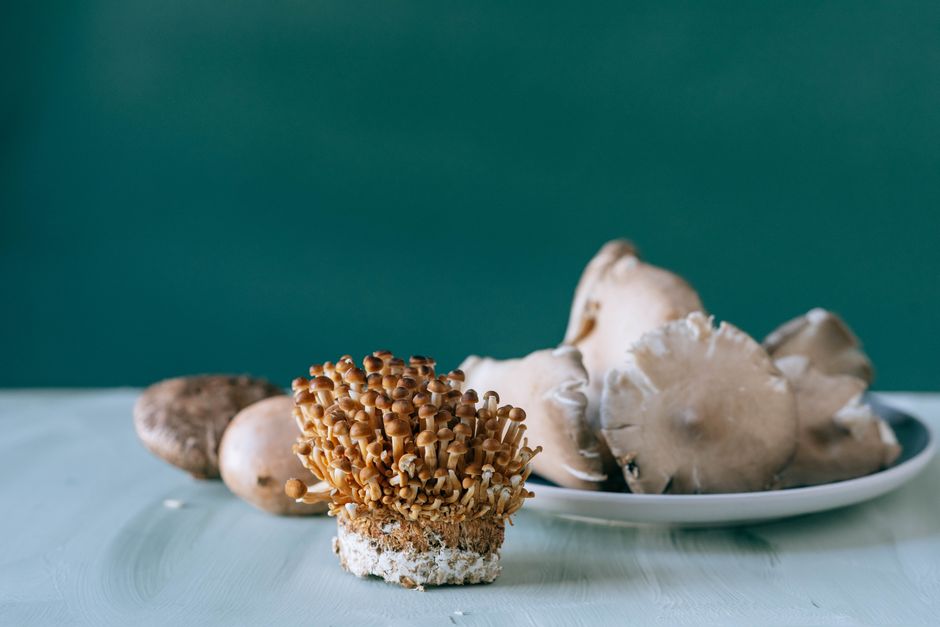
You found a mushroom in your yard or on a hike and you want to know what it is. The honest answer is that you cannot safely name an unfamiliar mushroom from a photo or a quick glance. Many deadly mushrooms look nearly identical to safe ones, and getting the identification wrong can be fatal. This guide walks through how experts do it and what every curious person should know before even thinking about touching or tasting a wild mushroom.
Why is identifying wild mushrooms so difficult?
The natural world is full of copycats. Mushrooms evolved to look alike because similar structures work well for spore dispersal, not because they are related. One white-gilled mushroom might be a delicious field mushroom, while another is a destroying angel that can shut down your liver within days.
There is no single field mark that reliably separates edible from toxic species across all mushroom types. A subtle difference in the color of a spore print, the presence of a small sac at the base of the stem, or the way the cap reacts to a drop of a chemical can mean the difference between a meal and a medical emergency. Even seasoned foragers sometimes misidentify mushrooms when they collect specimens outside their usual region.
What are the key features to look at when identifying a mushroom?
Mycologists piece together an ID like detectives at a crime scene. They examine multiple physical traits at once. Relying on just one or two is why many home identifiers make dangerous mistakes.
You look at the cap shape, color, texture, and whether it is dry or slimy. You check the gills underneath — their color, how they attach to the stem, and how closely spaced they are. The stem reveals whether a ring or skirt is present, and whether the base has a sack-like cup called a volva. A volva is a red flag because several of the most lethal mushrooms have one, though not all do.
Other clues include the mushroom’s smell, any color change when the flesh is bruised or cut, and the habitat — what trees or soil it grows near. A mushroom growing from dead oak tells a different story than one sprouting from a lawn. None of these features alone gives you an answer, but together they narrow down the possibilities.
What is a spore print and how does it help?
A spore print reveals the color of the microscopic spores a mushroom drops. This is one of the most reliable identification tools a beginner can use safely at home. You cut the cap off a mature mushroom, place it gills-down on both white and dark paper, cover it with a bowl, and leave it overnight. In the morning, you see a powdery print whose color — white, brown, pink, black, or something else — helps place the mushroom into a specific group.
The test is simple yet powerful. Two nearly identical mushrooms that differ only in spore color belong to entirely different genera. When used alongside physical features, the spore print can instantly rule out many look-alikes. But it is not a confirmation of edibility by itself. Some toxic mushrooms share the same spore color as prized edible ones.




Can an app or online photo ID tell me what kind of mushroom this is?
Apps can guess, but they cannot be trusted for safety decisions. Mushroom identification apps and image recognition tools use pattern matching from huge photo databases. They often get the genus right when the picture is clear and the mushroom is distinctive. Yet they fail often enough on close look-alikes that no expert recommends relying on them for edibility.
The danger is real. A study-style review of iNaturalist and similar platforms found that computer vision frequently confuses toxic Amanita species with harmless ones when the lighting or angle is poor. Even when the suggested name is correct, the app cannot see the underground volva or tell you about a slightly different smell. For a question that could literally be life or death, the thumbs-up from software is the wrong answer.
What Kind Of Mushroom Is This?
If you ask this question with no mycology background, the smartest first move is to put the mushroom down and take clear photos from several angles. Document the stem, the gills, and the base including whatever is beneath the soil line. Snapping a single top-down photo of the cap and asking a Facebook group is like handing a mechanic one blurry wheel and asking which car it belongs to.
Proper identification follows a sequence. Note the cap’s size, shape, and surface. Check for a ring on the stem and a volva at the base. Make a spore print. Compare those results against a regional field guide that includes toxic look-alikes. If every single box checks out, you still need an experienced human to confirm it in person before even a tiny taste test crosses anyone’s mind.
The tough reality many foragers learn the hard way is that some edible species are not distinct enough for a casual observer to safely separate from deadly ones. A well-known example is the death cap mushroom, which can look like the edible paddy straw mushroom to an untrained eye. Confidence built on Google images has sent people to the emergency room.
When should you absolutely never eat a wild mushroom?
The list is long, but a few rules are non-negotiable. Never eat any wild mushroom you cannot identify with 100 percent certainty alongside an expert. Never eat a mushroom with white gills, a sack-like volva, and a ring on the stem unless an expert confirms it is a non-toxic species — this combination describes several deadly amatoxin-containing mushrooms.
Never eat a raw wild mushroom. Some toxins degrade with heat, while others do not, but cooking adds a safety margin. Never rely on an old wives’ tale like “if animals eat it, it is safe for humans” — squirrels and slugs tolerate toxins that kill humans. And never give a wild mushroom to a child or an immunocompromised adult unless an expert has verified it. Children are more vulnerable to even trace amounts of certain mushroom toxins.
If you are foraging and feel even a flicker of doubt, toss the mushroom. The stomachache of regret is better than the liver failure of a mistake.
Frequently Asked Questions
Can touching a poisonous mushroom hurt me?
No, touching a poisonous mushroom does not cause harm because the toxins must be eaten to enter your body. Always wash your hands after handling any mushroom to avoid accidentally transferring spores or irritants to your mouth.
Are all mushrooms with white gills toxic?
No, not all white-gilled mushrooms are poisonous, but many of the most deadly ones are. This trait alone should never be used to identify a mushroom as safe, and it is a strong reason to avoid eating any wild mushroom with white gills unless an expert confirms it.
Can I take a mushroom to a pharmacy or plant expert for identification?
Pharmacists and general plant experts are not trained mycologists and may not reliably identify dangerous mushrooms. If you need an identification, contact a local mycological society or use a verified mushroom identification service, but never rely on them for edibility without a personal expert review.
What are the early symptoms of mushroom poisoning?
Symptoms vary by toxin but commonly include nausea, vomiting, diarrhea, and abdominal pain within a few hours. A particularly dangerous pattern is a delay of six to twenty-four hours before symptoms start, which can signal amatoxin poisoning that will damage the liver even if you feel better temporarily.
