
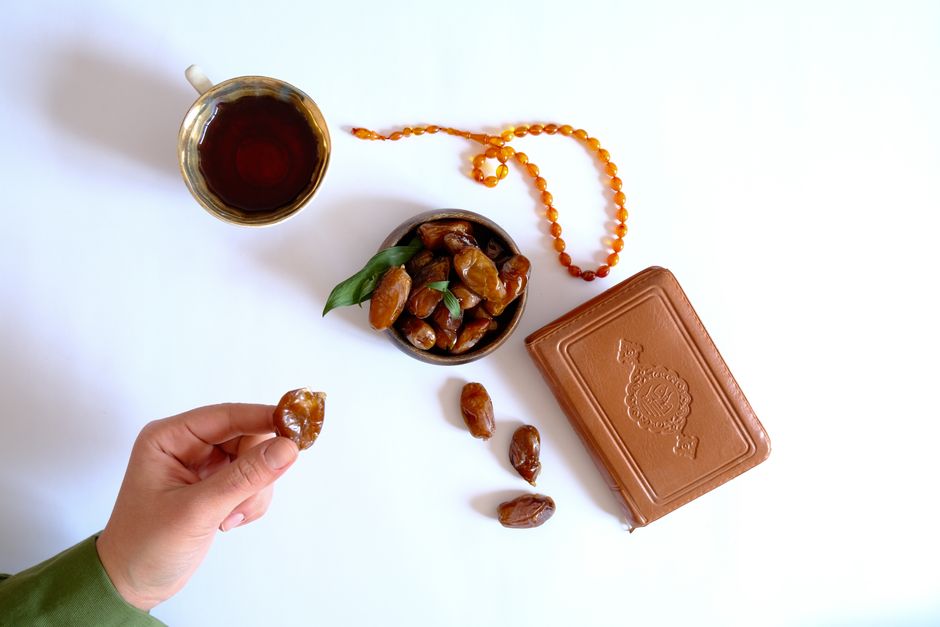
Dates are one of the few foods that come up again and again in pregnancy conversations, usually because of a handful of small studies on late-pregnancy consumption. The short answer: there is no special “pregnancy date” you need to buy. Any plain, whole date works — Medjool, Deglet Noor, Ajwa, Sukkari, or whatever your grocery store sells. What matters is the type of date product (whole fruit versus a processed bar or syrup), how many you eat, and whether they are safe for you specifically.
If you have gestational diabetes, pre-existing diabetes, or a history of blood sugar issues, portion size and timing matter more than the variety. If you have none of those, a small handful of dates a day is a reasonable, nutrient-dense snack. This article explains what the evidence actually shows, what it does not, and where the popular claims about dates in pregnancy come from.
What Kind Of Dates Should You Eat During Pregnancy?
Whole, unprocessed dates are the form to choose. That means dates still in their skin, sold loose or in a sealed package, with one ingredient on the label: dates.
Variety is largely a matter of taste and texture rather than nutrition. Medjool dates are large, soft, and very sweet. Deglet Noor are smaller, firmer, and less sweet. Ajwa dates are darker and denser. Nutritionally they are close cousins — all are concentrated sources of carbohydrate, fiber, potassium, and small amounts of minerals, with the exact numbers shifting modestly between varieties.
What you want to avoid is the category of products that borrow the word “date” without being the fruit:
- Date bars with added sugar, chocolate, or syrups
- Date syrup or date paste, which is essentially concentrated sugar with most of the fiber removed
- Chocolate-covered or yogurt-coated dates
- Dates sold as “energy bites” with protein powder, honey, or other sweeteners added
The fiber in whole dates is part of the point. It slows how quickly the sugar is absorbed. Once you strip that fiber out — as in syrup — you are left mostly with fructose and glucose, which is a different food in practical terms.
Are Dates Safe To Eat During Pregnancy?
Yes, dates are safe for most pregnant women when eaten in normal food amounts. They are not on any list of foods to avoid in pregnancy.
Two practical points are worth knowing. First, dates are sticky and high in sugar, which matters for dental health — not a pregnancy-specific risk, but one that gets worse if you snack on them all day without rinsing your mouth. Second, dried fruit in general can carry surface contaminants, and while dates are not a common source of foodborne illness, washing your hands before eating and buying from a reputable source is sensible. There is no need to cook or soak them for safety.
One area where dates are genuinely not safe is if you have a diagnosed allergy to them or to related plants. Date palm pollen allergy exists and can cross-react with the fruit in some people. This is uncommon but real.
The bigger caveat is blood sugar. Dates are dense in carbohydrate. A single large Medjool date can contain roughly 60 to 70 calories, almost all from sugar, with some fiber. Three or four of them is a meaningful carbohydrate load — comparable to a slice of bread or more, depending on size. For someone managing gestational diabetes, that matters.
Do Dates Really Help With Labor?
The evidence here is interesting but not strong enough to call it proven. Several small studies have looked at whether eating dates in the last weeks of pregnancy shortens labor or improves outcomes. Some found differences in things like cervical ripening or the need for induction; others found nothing. The studies are small, the results are inconsistent, and the mechanism proposed — that dates might act on oxytocin receptors or provide easily used energy — is plausible but not confirmed.
What can be said honestly: eating a few dates in late pregnancy is unlikely to cause harm in most women, and the research does not support treating dates as a labor intervention. It is not a substitute for medical care, and no clinician should be relying on it as one. If a provider recommends dates, that is a reasonable low-risk choice. If a provider says nothing about them, that is also reasonable.
Be cautious with the viral version of this claim. You will see dates described as something that “ripens the cervix” or “guarantees a faster birth.” No study has shown either of those things reliably. That is marketing language, not clinical evidence.





How Many Dates Should You Eat A Day?
There is no official recommended amount. No major health authority has issued a pregnancy-specific date intake guideline, because the evidence does not support one. The commonly cited figure of around six dates per day comes from one line of research on late pregnancy, not from a public health recommendation.
A reasonable general approach, based on the food’s nutritional profile rather than any guideline:
- For most pregnant women without blood sugar concerns, a small handful — roughly two to four dates — as a snack is a sensible amount
- If you have gestational diabetes or type 1 or type 2 diabetes, treat dates as you would any concentrated carbohydrate and discuss portions with your care team
- Pair dates with protein or fat, such as nuts or plain yogurt, to slow the blood sugar rise
- Avoid eating them continuously through the day; cluster them with meals or as a single snack
This is not a prescription. It is a description of how dates behave nutritionally. If your provider gives you a specific number, follow that instead.
What Nutrients Do Dates Provide?
Dates are not a “superfood,” but they are a genuinely nutrient-dense fruit compared with many snack alternatives. The main contributions:
| Nutrient | What Dates Provide | Why It Matters In Pregnancy |
|---|---|---|
| Carbohydrate | High — mostly glucose and fructose | Quick energy; also a blood sugar load |
| Fiber | Moderate — concentrated in the skin | Helps with constipation, common in pregnancy |
| Potassium | Moderate to high | Supports fluid balance and muscle function |
| Magnesium | Present, modest | Involved in muscle and nerve function |
| Iron | Present, low | Not a meaningful iron source; do not rely on dates for this |
| Folate | Present, low | Not a substitute for a prenatal vitamin |
That last point matters. Dates are sometimes marketed as supporting pregnancy nutrition broadly. They do contain small amounts of iron and folate, but nowhere near enough to meet the increased needs of pregnancy. A prenatal vitamin or a provider-recommended supplement remains the standard approach. Dates are food, not a supplement.
Dates Versus Other Pregnancy Snacks
Compared with a candy bar or a sweetened granola bar, dates are a better choice — more fiber, more potassium, no added sugar. Compared with a handful of almonds or a hard-boiled egg, they are higher in sugar and lower in protein. The right comparison depends on what you need at that moment.
If you are looking for a quick energy boost before or after exercise, dates work well. If you are looking for a snack that keeps you full and steady for hours, a protein-and-fat snack will usually do more. Many people combine the two — a date with a few nuts — and that is a reasonable middle ground.
One clarification worth making: dried fruit is not inherently “less healthy” than fresh fruit, but it is more concentrated. A cup of dates delivers far more sugar and calories than a cup of grapes, simply because the water has been removed. That is not a reason to avoid dates. It is a reason to think of them as a concentrated food rather than a free-for-all snack.
Frequently Asked Questions
What kind of dates should you eat during pregnancy?
Any plain, whole date works — Medjool, Deglet Noor, Ajwa, or others. Choose dates with one ingredient on the label and skip bars, syrups, and chocolate-coated versions.
How many dates a day can a pregnant woman eat?
No official guideline exists. Two to four dates as a snack is a reasonable amount for most women without blood sugar concerns, but anyone with diabetes should discuss portions with their provider.
Can dates cause miscarriage or early labor?
There is no evidence that eating dates causes miscarriage or early labor. The research on dates and labor focuses on late pregnancy and has produced mixed results, not a clear effect.
Are dates good for pregnancy nutrition?
Dates provide fiber, potassium, and some magnesium, which are useful in pregnancy. They are not a meaningful source of iron or folate, so they do not replace a prenatal vitamin.
