
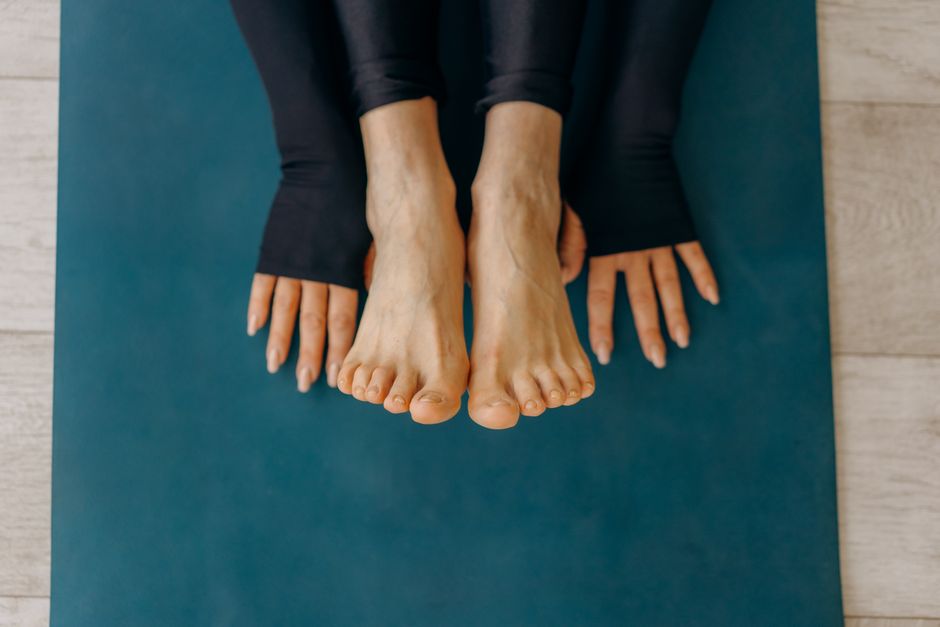
Fungus on the feet — most often athlete’s foot — is killed by antifungal medicines, not by home remedies. The most reliable treatments are topical antifungals like terbinafine, clotrimazole, and miconazole, which break down the fungal cell membrane and stop the infection at its source. For stubborn or widespread cases, a doctor may prescribe oral terbinafine or itraconazole. Vinegar, bleach, and essential oils have not been shown in controlled human trials to cure a fungal foot infection, and some can irritate or damage skin.
What Actually Kills Fungus On Feet Treatments That Work?
The fungus that causes most foot infections is a group called dermatophytes. These organisms feed on keratin, the protein in your skin, hair, and nails. That is why the infection settles into the outer layer of skin and why it can be so persistent.
To kill dermatophytes, you need a substance that disrupts their cell membrane or stops them from reproducing. Antifungal drugs do exactly that. Terbinafine and other allylamines block an enzyme the fungus needs to build its cell membrane. Azoles like clotrimazole and miconazole attack a different step in the same pathway. Either way, the fungus cannot maintain its outer wall and dies.
This is why antifungal medicine works and household products generally do not. A substance has to reach the fungus in the skin at a high enough concentration, for long enough, to actually kill it. Many home remedies either cannot penetrate the skin or cannot sustain that effect.
Topical antifungals
These are the first-line treatment for most athlete’s foot. They come as creams, sprays, powders, and solutions. Common active ingredients include:
- Terbinafine — an allylamine, often used for shorter courses
- Clotrimazole — an azole, widely available over the counter
- Miconazole — an azole, also over the counter
- Butenafine — related to terbinafine
- Tolnaftate — a nonprescription option for milder cases
How long you use a topical depends on the product and the severity of the infection. Some terbinafine products are labeled for a one-week course. Many azole products are labeled for two to four weeks. Follow the package directions or your clinician’s instructions. Stopping early is a common reason the infection returns.
Oral antifungals
When topical treatment fails, or when the infection covers a large area or involves the nails, a doctor may prescribe an oral antifungal. Terbinafine and itraconazole are the most commonly used. These reach the fungus through the bloodstream, so they can treat areas that creams struggle to reach.
Oral antifungals are not risk-free. They can affect the liver, and they interact with other medications. They require a prescription for good reason. A clinician weighs the benefits against those risks for each person.
Why Do Some Fungal Foot Infections Keep Coming Back?
Reinfection is the main reason athlete’s foot seems impossible to beat. The fungus can survive in skin flakes shed onto floors, socks, shoes, and shower surfaces. Even after your skin clears, those flakes can carry live fungus for months.
There are two parts to ending the cycle. First, kill the fungus on your skin completely with a full course of treatment. Second, reduce the fungus in your environment so you are not reinfected.
Nails are a special problem. If the fungus has moved into your toenails, topical creams usually cannot reach it well. Toenail fungus often needs oral treatment, and it can take months to resolve. Treating the skin while ignoring infected nails is a common reason the skin infection keeps returning.
Do Home Remedies Like Vinegar or Bleach Kill Foot Fungus?
No controlled human trials have shown that vinegar, bleach, or essential oils cure a fungal foot infection. That does not mean they do nothing at all — some have mild antifungal activity in a lab dish. But lab activity is not the same as curing an infection in living skin.
The gap matters. A substance that kills fungus in a petri dish may not penetrate skin, may not stay at a high enough concentration, or may be broken down before it can work. This is a common misunderstanding in health marketing: laboratory results get presented as if they prove a treatment works in people. They do not.
Some specific concerns:
- Bleach is caustic. Soaking feet in bleach solutions can burn skin and is not a recognized treatment for fungal infection.
- Vinegar is acidic and generally low-risk for most people, but evidence that it cures athlete’s foot is weak. It may soothe some symptoms for some people, but it is not a substitute for antifungal medicine.
- Tea tree oil has shown some antifungal activity in studies, but the evidence for curing foot infections in people is limited and mixed. It can also cause skin irritation in some people.
- Essential oils generally are not standardized, so potency varies widely from bottle to bottle.
If you want to try a home remedy alongside proven treatment, talk to a clinician first. Do not replace antifungal medicine with a remedy that has not been shown to work.


What Are the Signs You Need to See a Doctor?
Most mild athlete’s foot responds to over-the-counter treatment. See a clinician if any of these apply:
- The infection does not improve after a full course of over-the-counter antifungal
- It keeps coming back after treatment
- Your toenails look thick, discolored, or crumbling
- The skin is cracked, bleeding, or very painful
- You have diabetes, poor circulation, or a weakened immune system
- You see signs of a bacterial infection — spreading redness, warmth, swelling, or pus
Diabetes deserves special mention. Foot infections in people with diabetes can progress quickly and lead to serious complications. Do not self-treat a foot infection if you have diabetes. Get it looked at.
How Do You Stop Fungus From Spreading and Coming Back?
Killing the fungus is only half the job. The other half is preventing reinfection. These steps are widely recommended by clinicians, though the strength of evidence varies:
- Wash your feet daily and dry them completely, especially between the toes
- Change socks daily, or more often if your feet sweat heavily
- Choose shoes that breathe and rotate them so each pair dries out between wears
- Wear shower shoes in public pools, locker rooms, and shared showers
- Do not share towels, socks, or shoes with someone who has a foot infection
- Treat infected shoes and socks — wash socks in hot water and consider antifungal powder in shoes
- Finish the full course of antifungal treatment even after symptoms improve
One point people often miss: the fungus can live on floors and in showers long after your skin looks clear. Cleaning shared surfaces and avoiding bare feet in public wet areas reduces the chance of picking it up again.
How Do Antifungal Treatments Compare?
| Treatment | How it works | Typical use | Notes |
|---|---|---|---|
| Terbinafine (topical) | Blocks fungal cell membrane production | Often a shorter course | Over the counter; effective for many cases |
| Clotrimazole / Miconazole | Disrupts fungal cell membrane | Usually two to four weeks | Over the counter; widely used |
| Tolnaftate | Inhibits fungal growth | Varies by product | Over the counter; for milder cases |
| Oral terbinafine | Reaches fungus through bloodstream | Prescription course | For stubborn cases or nail involvement; liver monitoring may be needed |
| Oral itraconazole | Reaches fungus through bloodstream | Prescription course | For stubborn cases; has drug interactions |
This table reflects general categories, not a ranking. Which treatment fits depends on where the infection is, how severe it is, your health history, and what other medicines you take. A clinician is the right person to make that call.
Does Keeping Feet Dry Really Matter?
Yes, and the reason is straightforward. Dermatophytes grow best in warm, moist environments. Sweaty feet inside closed shoes create exactly those conditions. Keeping feet dry does not kill an existing infection on its own, but it makes the environment less friendly to fungal growth and reduces the chance of reinfection.
This is why breathable footwear, moisture-wicking socks, and thorough drying after washing are standard advice. They support the treatment rather than replace it. No amount of dryness will cure an active infection that needs antifungal medicine.
Frequently Asked Questions
What is the fastest way to kill foot fungus?
Topical antifungals like terbinafine or clotrimazole are the fastest proven option for most skin infections, with some terbinafine products labeled for a one-week course. Nail infections take much longer and often need oral treatment.
Does vinegar really kill athlete’s foot fungus?
No controlled human trials have shown that vinegar cures athlete’s foot. It may have mild antifungal activity in a lab dish, but that does not mean it works on skin.
Can I use bleach to treat foot fungus?
No. Bleach is caustic and can burn skin, and it is not a recognized treatment for fungal foot infections. Use a proven antifungal instead.
Why does my foot fungus keep coming back after treatment?
Reinfection from skin flakes on floors, socks, and shoes is the usual cause. Infected toenails can also keep reinfecting the skin if they are not treated.
