
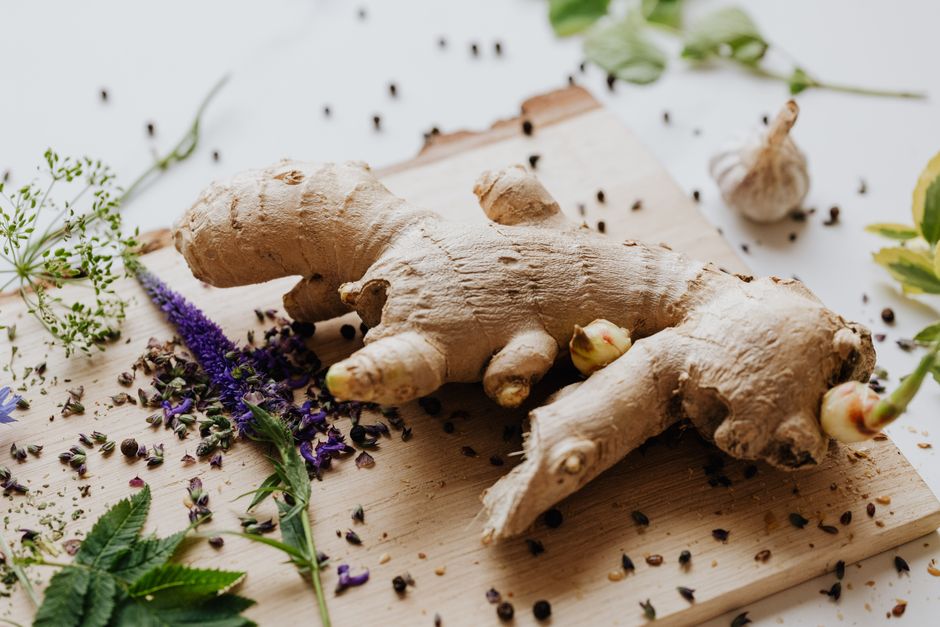
Ginger is one of the oldest and most widely used spices in the world. Its scientific name is Zingiber officinale. The part people use is the underground stem, called a rhizome. This is the “root” you buy in the produce section or see in powdered form on spice shelves. The science behind ginger centers on naturally occurring plant compounds, primarily gingerols and shogaols, which are responsible for its distinctive taste and most of its documented effects on the body.
What Is Zingiber Officinale The Science Behind Ginger?
Zingiber officinale is a flowering plant native to Southeast Asia. It belongs to the same plant family as turmeric and cardamom. The rhizome contains bioactive compounds that have been studied for their effects on nausea, digestion, and inflammation. Gingerols are the main compounds in fresh ginger. When ginger is dried or cooked, some gingerols convert into shogaols, which are more potent in some laboratory studies. Both compounds interact with biological pathways in ways that researchers have been investigating for decades.
How Does Ginger Work in the Body?
Ginger’s active compounds interact with several systems in the body. The most well-studied effect is on the digestive system. Ginger appears to speed up gastric emptying, which is the rate at which food leaves the stomach and moves into the small intestine. Faster emptying can reduce the feeling of fullness and discomfort after eating.
Ginger also blocks the action of serotonin receptors in the gut. Serotonin is a chemical that plays a role in triggering nausea. By interfering with these signals, ginger can reduce nausea from various causes. This mechanism is why ginger is often recommended for motion sickness and pregnancy-related nausea.
On the inflammatory side, ginger compounds inhibit enzymes called cyclooxygenase (COX) and lipoxygenase (LOX). These enzymes produce inflammatory molecules in the body. Some research suggests ginger can reduce markers of inflammation, though the effect is modest compared to prescription anti-inflammatory drugs.
What Does the Evidence Say About Ginger for Nausea?
Nausea is the area where ginger has the strongest evidence. Studies have consistently shown that ginger is effective for nausea caused by pregnancy, surgery, and chemotherapy. The evidence is strongest for pregnancy-related nausea. Several clinical trials have found that ginger reduces nausea symptoms as effectively as some conventional anti-nausea medications.
For motion sickness, the evidence is more mixed. Some studies show benefit, while others show little effect. Ginger may work best for mild nausea rather than severe vomiting. It also appears to work better when taken before nausea begins rather than after symptoms are already severe.
One important note: ginger should not replace prescribed anti-nausea medication without discussion with a doctor. For people undergoing chemotherapy, ginger may be a helpful addition to standard treatment, but it is not a substitute.





Can Ginger Help with Pain and Inflammation?
Research on ginger for pain and inflammation is promising but not conclusive. Several studies have examined ginger for osteoarthritis, particularly of the knee. Some trials have found that ginger extract reduces pain and improves function in people with osteoarthritis. The effect appears modest — meaningful for some people, but not equivalent to strong pain medication.
Laboratory studies show that ginger compounds can reduce inflammatory markers. However, the doses used in lab studies are often much higher than what a person would consume through food or typical supplements. The human body also processes these compounds quickly, which may limit their effectiveness.
For muscle pain from exercise, some research suggests ginger may reduce soreness when taken regularly. One study found that consuming ginger daily for several days before and after exercise reduced muscle pain. The effect was small but measurable.
Does Ginger Affect Blood Sugar or Heart Health?
Some research has looked at ginger’s effects on blood sugar and cholesterol. The evidence here is preliminary. Several small studies have found that ginger supplementation can modestly reduce fasting blood sugar and improve some markers of cholesterol in people with type 2 diabetes. However, these studies are small, and results vary.
For blood pressure, a few trials have shown small reductions with ginger supplementation. The effect is not large enough to replace blood pressure medication. No major medical organization currently recommends ginger as a treatment for diabetes or heart disease.
The bigger picture is that ginger is a healthy food choice. Replacing less healthy flavorings with ginger is a reasonable dietary change. But expecting ginger to manage a chronic condition on its own is not supported by the evidence.
Fresh Ginger vs. Dried Ginger vs. Supplements
The form of ginger matters. Fresh ginger contains mostly gingerols. Dried ginger has higher levels of shogaols. Both have biological activity, but they may affect the body differently.
| Form | Key Compounds | Common Uses |
|---|---|---|
| Fresh ginger | Gingerols | Cooking, tea, nausea relief |
| Dried ground ginger | Shogaols (higher) | Spice blends, baking, supplements |
| Ginger extract supplements | Standardized gingerols | Targeted dosing for nausea or inflammation |
| Candied or pickled ginger | Variable, often lower | Culinary use |
Supplements are often standardized to contain a specific percentage of gingerols. This allows for consistent dosing in research studies. However, the supplement industry is not strictly regulated. The amount of active compound in a supplement can differ from what the label states. Choosing products from reputable brands that test their products independently is advisable.
How Much Ginger Is Safe to Consume?
Ginger in food amounts is safe for most people. Culinary amounts — about 1 to 3 grams of fresh ginger per day — do not cause significant side effects in healthy adults. For supplements, studies have used doses ranging from 250 mg to 2 grams of ginger extract daily. These doses appear safe for short-term use in most adults.
Higher doses can cause side effects. Heartburn, stomach upset, and diarrhea are the most common complaints. People taking blood thinners should be cautious with high-dose ginger supplements, as ginger may have mild blood-thinning effects. This interaction is not well studied, so anyone on anticoagulant medication should speak with their doctor before taking ginger supplements.
Pregnant women can safely consume ginger in food amounts. For nausea in pregnancy, some clinical guidelines suggest ginger as a treatment option. However, the appropriate dose and safety of long-term high-dose use during pregnancy is not firmly established. Pregnant women should discuss ginger supplementation with their obstetrician.
What Ginger Cannot Do
Marketing often overstates what ginger can do. Ginger is not a cure for any disease. It does not kill cancer cells in the human body in any clinically meaningful way, despite claims you may see online. Laboratory studies showing cancer cell death in petri dishes do not translate to effects in humans.
Ginger will not prevent COVID-19 or any other viral infection. It will not lower blood sugar enough to treat diabetes without medication. It will not replace anti-inflammatory drugs for serious inflammatory conditions like rheumatoid arthritis.
Ginger is best understood as a food with some medicinal properties. It is useful for nausea, may modestly reduce pain and inflammation, and adds flavor to a healthy diet. Those are real benefits. They are just not miraculous ones.
Practical Ways to Use Ginger
Fresh ginger tea is one of the simplest ways to consume ginger. Slice a few thin pieces of fresh ginger and steep in hot water for 5 to 10 minutes. This delivers a mild dose of gingerols.
Adding fresh ginger to stir-fries, soups, and marinades is an easy way to include it in your diet. The amount used in cooking is generally safe and well tolerated.
For nausea, some people find that sucking on a small piece of crystallized ginger helps. Others prefer ginger tea or ginger ale made with real ginger. Many commercial ginger ales contain very little actual ginger, so check labels if you are using it for nausea.
Ginger supplements are an option for people who want a consistent dose. Capsules are the most common form. Liquid extracts and tinctures also exist but are less studied.
Frequently Asked Questions
Is ginger safe to take every day?
Yes, ginger in food amounts is safe for daily consumption for most healthy adults. High-dose supplements daily are less studied, so moderation is advisable.
Does ginger interact with medications?
Ginger may interact with blood thinners and some diabetes medications. Anyone taking prescription medication should ask their doctor before starting ginger supplements.
How fast does ginger work for nausea?
Ginger typically starts working within 30 to 60 minutes of consumption. It is most effective when taken before nausea becomes severe.
Can ginger help with period cramps?
Some research suggests ginger may reduce menstrual pain similarly to ibuprofen. The evidence is limited but promising, and ginger is a reasonable option for mild cramps.
