
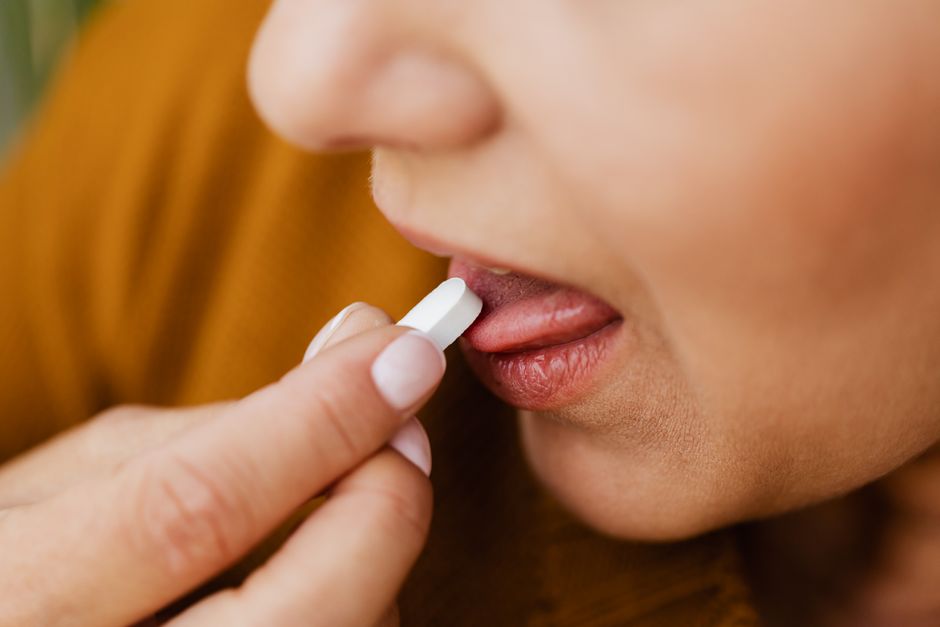
Zenatane is a brand name for isotretinoin, a powerful prescription medication used to treat severe nodular acne that has not improved with other treatments. It is a form of vitamin A that works by shrinking the oil glands in your skin and reducing the amount of oil they produce. Because of its strength and potential side effects, it is strictly regulated and only used when other acne therapies have failed.
What Is Zenatane Used For Severe Acne Treatment?
Zenatane is specifically approved for the treatment of severe, recalcitrant nodular acne. “Recalcitrant” means the acne has not responded to other standard treatments, such as topical creams or oral antibiotics. “Nodular” refers to large, painful, deep lumps under the skin that can lead to permanent scarring.
It is not a first-line treatment. Doctors typically reserve it for people with severe acne that causes physical scarring or significant emotional distress. It is also sometimes used for moderate acne that has not cleared after repeated courses of antibiotics.
How Does Isotretinoin Work in the Body?
Isotretinoin is a retinoid, which is a synthetic form of vitamin A. It works on four main causes of acne simultaneously. First, it dramatically reduces the size and output of sebaceous glands, which produce the skin’s natural oil. Less oil means less material to clog pores.
Second, it normalizes the way skin cells shed. In people with acne, dead skin cells shed irregularly and mix with oil to block hair follicles. Isotretinoin helps these cells shed evenly. Third, it reduces the population of Cutibacterium acnes, the bacteria that thrive in clogged pores. Fourth, it has direct anti-inflammatory effects that calm the redness and swelling of active lesions.
No other acne medication addresses all four of these pathways at once. This is why the drug is so effective, but it also explains why its side effect profile is so broad.
What Are the Most Common Side Effects?
Isotretinoin affects the entire body because it changes how cells grow and mature. The most common side effects are directly related to drying of the skin and mucous membranes. Nearly everyone taking the drug experiences chapped lips and dry skin. Dry eyes, nosebleeds, and dry nasal passages are also very common.
These effects are expected and manageable with moisturizers, lip balm, and eye drops. They usually resolve within weeks after stopping the medication. Some people also experience temporary muscle and joint aches, especially with physical activity. Sun sensitivity increases significantly, so sun protection is critical during treatment.
Less common but more serious side effects include changes in blood lipids, elevated liver enzymes, and increased blood sugar. For this reason, regular blood tests are mandatory while taking the drug. Doctors monitor cholesterol, triglycerides, and liver function at baseline and at intervals throughout the course.




What Are the Serious Risks You Must Know About?
The most serious risk of isotretinoin is birth defects. The medication is highly teratogenic, meaning it causes severe malformations in a developing fetus. Because of this, the drug is only available through a restricted distribution program in the United States called iPLEDGE. Women who can become pregnant must use two forms of birth control and have negative pregnancy tests before, during, and after treatment.
There is also a possible link between isotretinoin and mood changes, including depression and suicidal thoughts. The evidence here is mixed. Some studies suggest an association, while others do not find a clear causal link. What is known is that acne itself is strongly associated with depression and anxiety. Regardless, patients and their families should watch for unusual mood changes and report them to a doctor immediately.
Inflammatory bowel disease was once thought to be linked to isotretinoin, but larger and more rigorous studies have not confirmed this connection. The current evidence does not support a causal relationship, though the topic remains under study.
Pseudotumor cerebri, a condition of increased pressure in the skull, is a rare but serious risk. It presents with severe headache, vision changes, and nausea. The risk increases when isotretinoin is combined with tetracycline antibiotics, so these are never prescribed together.
How Long Does Treatment Last and What Results Can You Expect?
A standard course of isotretinoin lasts 15 to 20 weeks, though some doctors extend it based on cumulative dosing. The goal is to reach a total cumulative dose based on body weight, which research suggests reduces the chance of relapse. Most patients see significant improvement within the first two months, and many achieve complete clearance by the end of treatment.
During the first few weeks, some patients experience a temporary worsening of acne. This is called an “initial flare” and is a known phenomenon. It usually settles within a month. The skin may also become more fragile and prone to peeling, which requires careful skincare.
After the course ends, the majority of patients remain clear for years. Some require a second course if acne returns, but this is only done after a waiting period and careful evaluation. The long-term cosmetic results are often dramatic, particularly in preventing new scars.
Who Should Not Take Zenatane?
Isotretinoin is not appropriate for everyone. Anyone who is pregnant, planning to become pregnant, or breastfeeding must not take it. People with severely elevated blood lipids that do not respond to lifestyle changes may not be good candidates. Those with significant liver disease or uncontrolled diabetes need careful evaluation before starting.
People with a history of allergic reactions to vitamin A derivatives should avoid this drug. The medication also interacts with alcohol, and heavy drinking during treatment increases the risk of liver damage. Doctors generally advise limiting or avoiding alcohol entirely during the course.
Frequently Asked Questions
How long does it take for Zenatane to clear severe acne?
Most people see significant improvement within 8 to 12 weeks of starting treatment. Full clearance is usually achieved by the end of the 15 to 20 week course.
Will acne come back after stopping Zenatane?
For most patients, acne stays clear for years after treatment. Some people need a second course if acne returns, but this is only considered after a waiting period.
Can Zenatane cause permanent side effects?
Most side effects resolve after stopping the medication, but some people report persistent dry eyes or skin. Serious permanent damage is rare when the drug is monitored properly with regular blood tests.
Is Zenatane the same as Accutane?
Yes, both are brand names for the same drug, isotretinoin. Accutane is no longer manufactured, but Zenatane and other generics contain the identical active ingredient.
