
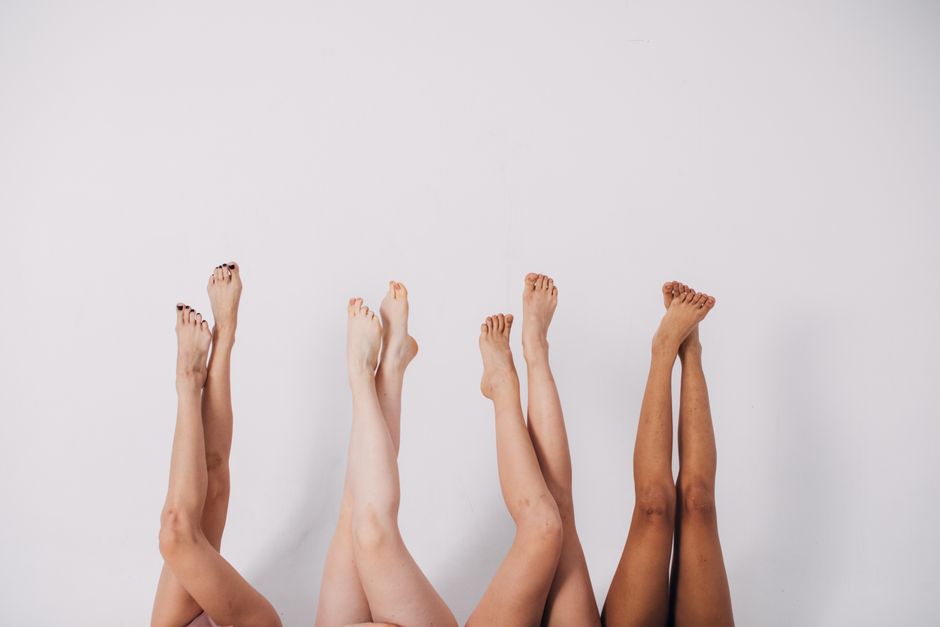
Skin color is the shade of your skin, and it comes from a pigment called melanin. Melanin is made by special cells in your skin called melanocytes. The amount and type of melanin your body produces decides whether your skin is very light, very dark, or somewhere in between.
Skin color is not a simple trait. It is shaped by hundreds of genes, and it changes over a lifetime with sun exposure, hormones, and age. It does not determine your health, your intelligence, or your worth. But it does affect how your skin responds to sunlight and to certain skin conditions.
What Causes Skin Color?
Melanin is the single biggest factor. Two main types exist in humans: eumelanin, which is brown or black, and pheomelanin, which is red or yellow. The mix and total amount of these pigments determine the color you see.
Everyone has roughly the same number of melanocytes. The difference is how active those cells are and how much melanin they produce. This is why two people with very different skin tones can have the same number of pigment cells.
Melanin does more than color your skin. It acts as a natural sunscreen. It absorbs and scatters ultraviolet (UV) radiation from the sun, protecting the DNA in your skin cells from damage. This protective role is one reason skin color varies so much across the world.
Genetics controls all of this. Skin color is a polygenic trait, meaning many genes contribute. Scientists have identified dozens of genes involved, and each one adds a small amount to the final shade. This is why skin color varies so smoothly across populations rather than falling into neat categories.
How Does Melanin Work in the Skin?
Melanocytes sit in the bottom layer of your epidermis, the outer layer of skin. From there, they package melanin into tiny parcels called melanosomes. These parcels are transferred to nearby skin cells called keratinocytes.
Once inside the keratinocyte, melanin sits over the cell’s nucleus like a cap. This placement matters. The nucleus holds your DNA, and the melanin cap absorbs UV radiation before it can reach and damage that DNA.
People with darker skin tend to have melanosomes that are larger, more numerous, and slower to break down. People with lighter skin tend to have smaller, less numerous melanosomes that degrade faster. This difference in packaging and distribution is a key reason skin tones look so different.
Melanin production is not fixed. When UV radiation hits your skin, it can trigger melanocytes to make more melanin. That is what causes a tan. The tan is your skin’s attempt to shield itself from further UV damage.
Why Do People Have Different Skin Colors?
Human skin color is a story of migration and adaptation. Early humans living near the equator had darker skin, which offered strong protection against intense sunlight. As groups moved to regions with less sunlight, lighter skin became more common over many generations.
The reason involves vitamin D. Your skin makes vitamin D when UV radiation reaches it. Darker skin blocks more UV, which is helpful near the equator but can limit vitamin D production in places with weak sunlight. Lighter skin allows more UV through, supporting vitamin D synthesis in those regions.
Folate offers the other side of the trade-off. Folate is a B vitamin that is important for cell division and fetal development, and UV radiation can break it down in the body. Darker skin helps protect folate stores in areas with strong sunlight.
So skin color reflects a balance. It is not random. It is the result of populations adapting to different levels of sunlight over thousands of years. This is why skin tone tends to follow a gradient that matches geography, not sharp dividing lines.
One point that surprises many people: race is a social category, not a biological one. The genetic differences between two people of the same “race” can be larger than between two people of different “races.” Skin color is a visible trait, but it does not map onto clear biological groups.
Can Skin Color Change Over Time?
Yes. Skin color is not fixed for life. Several things can change it, some temporary and some lasting.
- Sun exposure darkens skin by increasing melanin production. This fades over weeks to months once exposure drops.
- Hormones can shift pigment. Pregnancy, birth control pills, and some hormonal conditions can cause darker patches, a pattern called melasma.
- Age brings changes. Some areas may lighten, while sun-exposed areas may develop dark spots or uneven tone.
- Medications and medical conditions can affect pigment. Some drugs cause darkening or lightening, and conditions like vitiligo cause patches of skin to lose color.
- Inflammation and injury can leave darker or lighter marks after acne, cuts, or rashes.
These changes happen because melanocyte activity shifts, not because your basic skin type changes. A person born with light skin will not become naturally dark-skinned, and the reverse is also true.
How Does Skin Color Affect Sun Sensitivity?
Melanin is protective, but no skin tone is immune to UV damage. The level of protection varies along a spectrum, and it is worth understanding where you sit.
Darker skin has more natural protection against UV radiation. This lowers the risk of sunburn and some types of skin cancer compared with lighter skin. But it does not remove the risk. People with darker skin can still get sunburned and can still develop skin cancer, sometimes in areas that get little sun, like the palms, soles, and under the nails.
Lighter skin has less melanin protection. This means it burns more easily and carries a higher risk of skin cancer, including melanoma. People with light skin, light eyes, and a tendency to freckle tend to be most vulnerable.
Here is the practical part. Everyone, regardless of skin tone, can be harmed by too much UV exposure. The general guidance from health authorities is to limit sun exposure during peak hours, use sunscreen, and wear protective clothing. These steps apply to all skin tones, though the urgency is greater for those with less melanin.
A common and dangerous myth is that people with darker skin do not need sunscreen. They do. The risk of skin cancer is lower, but it is not zero, and skin cancer in darker skin is often found later, when it is harder to treat.
What Is the Fitzpatrick Skin Type Scale?
Dermatologists often use the Fitzpatrick scale to describe how skin responds to UV light. It was developed to estimate sunburn risk and guide certain treatments. It runs from Type I to Type VI.
| Type | Typical Description | Response to Sun |
|---|---|---|
| I | Very pale skin, light eyes, freckles | Always burns, never tans |
| II | Fair skin, light eyes | Usually burns, tans minimally |
| III | Light to medium skin | Sometimes burns, tans gradually |
| IV | Olive or light brown skin | Rarely burns, tans easily |
| V | Brown skin | Very rarely burns, tans deeply |
| VI | Deeply pigmented dark brown to black skin | Almost never burns |
The scale is a rough tool, not a precise measurement. It was originally designed for people with lighter skin and has limits when applied to darker skin tones. Still, it gives clinicians a common language for talking about sun sensitivity.
It is also used to guide settings for laser treatments and other procedures, since different skin types respond differently to certain devices. This is one reason a dermatologist may ask about your skin type before recommending a treatment.
Does Skin Color Affect Health Beyond the Sun?
Skin color itself does not cause disease. But the amount of melanin in your skin can influence how certain conditions appear and how easily they are spotted.
In darker skin, some conditions look different than in lighter skin. Rashes, inflammation, and skin cancer can be harder to recognize because redness and other color changes show up differently. This can delay diagnosis. Medical training has historically focused on lighter skin, which has contributed to these gaps in recognition.
Some health conditions are more common in certain populations, but the reasons are complex. They involve genetics, environment, access to care, and social factors, not skin color alone. It is inaccurate to say a skin tone causes a disease.
The takeaway is practical. If you notice a new or changing spot, a sore that will not heal, or a patch of skin that looks different from the rest, get it checked. This advice holds for every skin tone.
Frequently Asked Questions
What is your skin color determined by?
Your skin color is determined mainly by melanin, a pigment made by cells called melanocytes in your skin. The amount and type of melanin you produce, which is controlled by many genes, sets your natural shade.
Can two parents with light skin have a dark-skinned baby?
It is possible but uncommon, because skin color is controlled by many genes that can combine in different ways. A child’s shade depends on which gene variants they inherit from both parents, not just the parents’ visible skin tone.
Do people with dark skin need sunscreen?
Yes. Darker skin has more natural UV protection, but it is not immune to sun damage or skin cancer. Health authorities recommend sunscreen and sun protection for all skin tones.
Does skin color change with age?
Yes, skin color can shift with age, hormones, and sun exposure over time. These changes come from shifts in melanocyte activity, not from a change in your basic skin type.
