
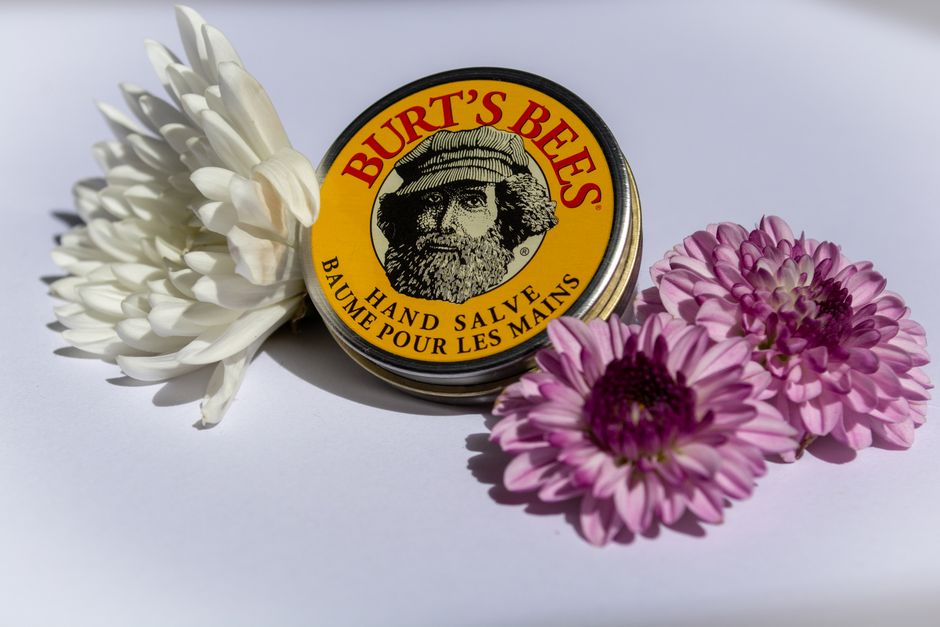
Yarrow salve is a topical preparation made from the flowering tops of the yarrow plant, typically infused into oil or combined with beeswax. It has a long history of use on minor cuts, scrapes, and irritated skin. The modern evidence for it is real but modest, and it is strongest for stopping minor bleeding and calming mild surface inflammation.
Yarrow — known botanically as Achillea millefolium — has been used in traditional wound care across Europe, Asia, and North America for centuries. That long history explains its reputation. It does not prove the salve works. What it does is point researchers toward compounds worth studying, and some of that study has produced useful findings. This article separates what is documented from what is assumed.
What Is Yarrow Salve Good For Wounds, Skin, and More?
The best-supported use of yarrow salve is on minor bleeding wounds and mild skin irritation. The plant contains compounds that appear to constrict small blood vessels and reduce surface inflammation when applied to intact or lightly broken skin.
Yarrow belongs to the same plant family as chamomile and feverfew. All three contain sesquiterpene lactones — a class of compounds with documented anti-inflammatory activity in laboratory and animal studies. Yarrow also contains flavonoids and volatile oils that contribute to its effects. This is a reasonable explanation for why the plant has a reputation for calming red, irritated skin.
What yarrow salve is not is a substitute for proper wound care. It does not sterilize a wound. It does not close a wound. It does not treat infection. For a minor scrape or a small cut that has already been cleaned, a salve can serve as a protective barrier and may reduce some redness and discomfort. For anything deeper, dirtier, or slower to heal, the salve is not the right tool.
Where the evidence is strongest
Stopping minor bleeding is the most consistently reported traditional use, and it has some laboratory support. Certain compounds in yarrow appear to promote platelet aggregation — the clumping of blood cells that forms a clot. Some studies suggest this effect is measurable in controlled settings. Whether a salve applied to the skin delivers enough of these compounds to matter clinically is less clear.
Where the evidence is thinner
Claims about yarrow salve helping with eczema, psoriasis, acne, or scarring are common online. The clinical evidence for these specific uses is limited. Some small studies have looked at yarrow extracts in skin preparations, but the research base is not large enough to make firm statements about outcomes for these conditions.
How Does Yarrow Salve Work on the Skin?
Yarrow salve works through a combination of barrier protection and the biological activity of plant compounds. The oil and wax base keeps the wound surface moist and shielded from the environment, which supports the skin’s own repair process. The yarrow extract adds compounds that may reduce inflammation and support clotting.
Moist wound healing is a well-established principle in medicine. A wound that stays slightly moist under a protective layer tends to heal with less scarring than one left to dry out and scab heavily. This is one reason petroleum jelly and similar occlusive products are used in clinical settings. A salve made with oil and beeswax functions in much the same way.
The plant compounds add a second layer of activity. Flavonoids in yarrow have antioxidant properties. Sesquiterpene lactones appear to interfere with inflammatory signaling pathways. These effects have been demonstrated in laboratory studies, often using concentrated extracts. A salve contains a much lower concentration, and how much actually crosses into the skin is not well understood.
One clarification worth making: the anti-inflammatory effect of yarrow is not the same as the anti-inflammatory effect of a corticosteroid cream. They work through different mechanisms and are not interchangeable. Yarrow salve is a mild supportive product, not a treatment for inflammatory skin disease.
What Does Yarrow Salve Not Do?
Yarrow salve does not treat infection. This is the most important limitation to understand. If a wound is infected — showing spreading redness, warmth, swelling, pus, or increasing pain — a salve will not fix it and may make things worse by trapping bacteria under an occlusive layer.
It also does not replace cleaning a wound. Any cut or scrape should be rinsed with clean water before anything is applied. Dirt and bacteria left in a wound can cause problems regardless of what goes on top.
Yarrow salve is not a treatment for deep wounds, puncture wounds, burns beyond the most superficial, or animal bites. These need medical assessment. Puncture wounds in particular can introduce bacteria deep into tissue where a topical product cannot reach.
And it is not a proven treatment for any diagnosed skin condition. If you have eczema, psoriasis, or another chronic skin disease, a salve may feel soothing, but it is not a substitute for treatment that has been shown to change the course of the condition.



Is Yarrow Salve Safe to Use?
For most people, yarrow salve applied to intact or lightly broken skin is unlikely to cause problems. The main risk is allergic reaction, and it is not rare. Yarrow is in the aster family, and people allergic to ragweed, chrysanthemums, marigolds, or daisies may react to it.
Contact dermatitis from yarrow has been documented in medical literature. Symptoms include redness, itching, and a rash at the application site. If this happens, stop using the product. A patch test on a small area of forearm skin before broader use is a reasonable precaution.
Yarrow should not be applied to open surgical wounds, deep cuts, or areas of broken skin where infection is a concern. It should not be used on the face near the eyes or on mucous membranes.
Oral yarrow products are a different matter entirely. Yarrow taken internally has been associated with liver concerns in some reports, and it is not recommended during pregnancy. That is separate from topical use, but worth stating clearly because products are sometimes marketed for both.
Anyone taking blood-thinning medication should be cautious with yarrow applied to a bleeding wound. The plant’s apparent effect on platelet function could theoretically interact with anticoagulant drugs. No large human trials have confirmed this interaction, but the possibility is plausible enough to warrant caution.
How Does Yarrow Salve Compare to Standard Wound Care?
Standard wound care for minor injuries is simple: clean the wound, apply an occlusive dressing or ointment, and keep it covered. Petroleum jelly and plain bandages are inexpensive, well studied, and unlikely to cause allergic reactions. Yarrow salve offers no clear advantage over these basics for routine wound care.
Where yarrow salve might fit is as a traditional or personal preference product for minor skin irritation. Some people find it soothing. That is a reasonable use as long as expectations stay realistic.
| Product | Main Function | Evidence Level |
|---|---|---|
| Petroleum jelly | Barrier, moisture retention | Well established |
| Antibiotic ointment | Barrier plus antibacterial | Well established for specific uses |
| Yarrow salve | Barrier plus possible mild anti-inflammatory effect | Limited, mostly laboratory and traditional |
| Hydrocortisone cream | Reduces inflammation | Well established for inflammatory skin conditions |
The table makes the position clear. Yarrow salve is not competing with proven treatments on evidence. It sits in a category of traditional topical products that may offer mild comfort but have not been shown to outperform standard care.
What Should You Look For in a Yarrow Salve?
Quality varies widely, and there is no regulatory standard for herbal salves in the United States. Unlike drugs, these products are not reviewed for effectiveness before sale. That puts the burden on the buyer.
- Look for a short ingredient list with yarrow identified by its botanical name, Achillea millefolium.
- Avoid products making drug-like claims such as “treats infection” or “heals wounds faster.” Those claims are not supported.
- Check for added essential oils, which increase the risk of skin irritation.
- Patch test before using on a larger area.
- Check the expiration date. Oil-based products can go rancid over time.
Homemade salves carry additional uncertainty. The concentration of active compounds depends on the plant material, the extraction method, and the storage conditions. There is no way to know how much of anything is in a given batch.
When Should You See a Doctor Instead?
Seek medical care for any wound that is deep, gaping, bleeding heavily, or caused by a bite or a dirty object. Also seek care if a wound is not improving after a few days, or if you notice spreading redness, swelling, warmth, pus, fever, or increasing pain.
These signs suggest infection, and infection needs medical treatment. A topical salve is not appropriate in these situations. Delaying care while trying home remedies can allow an infection to worsen.
People with diabetes, poor circulation, or a weakened immune system should be especially cautious with any wound. These conditions slow healing and raise the risk of complications. Minor wounds in these groups deserve medical attention sooner rather than later.
Frequently Asked Questions
Can yarrow salve stop a cut from bleeding?
Yarrow contains compounds that appear to support blood clotting, and stopping minor bleeding is its most commonly reported traditional use. Whether a salve delivers enough of these compounds through the skin to make a real difference is not well established.
Is yarrow salve good for eczema or psoriasis?
The clinical evidence for using yarrow salve on eczema or psoriasis is limited. It may feel soothing, but it has not been shown to change the course of either condition, and it is not a substitute for treatments that have.
Can yarrow salve cause an allergic reaction?
Yes. Yarrow is in the aster family, and people allergic to ragweed or related plants may develop contact dermatitis with redness, itching, or a rash. A patch test on a small area before wider use is a reasonable precaution.
Should you put yarrow salve on an infected wound?
No. An infected wound needs medical treatment, and covering it with a salve can trap bacteria and make things worse. Signs of infection include spreading redness, warmth, swelling, pus, and increasing pain.
