
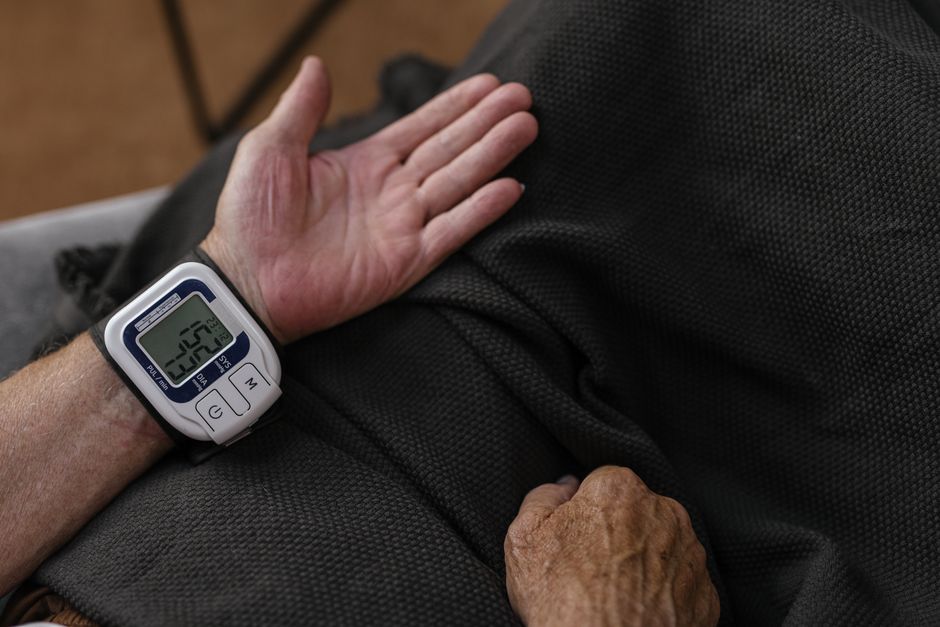
Your heart pumps blood in a rhythm. The pressure it creates changes with every beat. The top number in a blood pressure reading is systolic pressure — the force when your heart contracts. The bottom number is diastolic pressure — the force when your heart rests between beats. The difference between these two numbers is your pulse pressure. Widening pulse pressure means this gap is getting larger than normal. A healthy pulse pressure is usually around 40 to 60 mmHg. When it creeps above 60, doctors start paying attention.
What Does Widening Pulse Pressure Actually Mean for Your Health?
Widening pulse pressure is not a disease itself. It is a sign that something may be changing in your cardiovascular system. Think of it like a check engine light. The light is not the problem — it tells you to look under the hood.
Research shows that a consistently high pulse pressure — above 60 mmHg — is linked to increased risk of heart disease, stroke, and kidney problems. The Framingham Heart Study, one of the longest-running heart studies in the world, found that pulse pressure is a strong predictor of heart failure in older adults. This does not mean everyone with a wide pulse pressure will have a heart attack. It means the risk goes up.
The reason is simple physics. When your pulse pressure widens, your arteries are under more stress with every heartbeat. Over time, that stress can damage blood vessels. The damage can lead to stiff arteries, which makes the heart work harder. It becomes a cycle that is hard to break.
What Causes Pulse Pressure to Widen?
The most common cause is aging. As you get older, your arteries naturally become less flexible. They stiffen. A stiff artery does not stretch well when blood pumps through it. So the systolic pressure rises. The diastolic pressure often stays the same or even drops a little. The gap widens.
Several other factors can speed this up. High blood pressure that is not well controlled is a major one. Diabetes can damage blood vessels and make them stiff. Kidney disease also plays a role because the kidneys help regulate blood pressure.
Some people have a naturally wide pulse pressure without any clear cause. This is less common but it happens. In those cases, doctors focus on monitoring other risk factors rather than treating the number itself.
There is one important thing to know. Pulse pressure can widen temporarily during exercise or stress. That is normal. The concern is when it stays wide at rest, measured multiple times over weeks or months.
How Is Widening Pulse Pressure Diagnosed?
Diagnosis is straightforward. Your doctor takes your blood pressure with a cuff. They look at the two numbers. If your systolic is 150 and your diastolic is 70, your pulse pressure is 80. That is wide.
But one reading is not enough. Blood pressure changes throughout the day. It can spike if you are nervous, just walked up stairs, or drank coffee. Doctors typically want several readings taken at different times before making a call.
Home monitoring can help. The American Heart Association recommends using a validated automatic cuff at home. Take readings at the same time each day — morning and evening — and keep a log. Share it with your doctor.
Do not rely on wrist cuffs or finger monitors. They are less accurate. A standard upper-arm cuff is the gold standard for home use.





What Does the Research Say About Treatment?
There is no pill that directly targets pulse pressure. Doctors treat the underlying causes instead. If you have high systolic blood pressure, bringing it down will usually narrow your pulse pressure too.
Some studies suggest that certain blood pressure medications may be more effective than others at reducing pulse pressure. Research published in the journal Hypertension found that diuretics and calcium channel blockers may lower pulse pressure more than beta blockers. But the evidence is not strong enough to recommend one drug over another based on pulse pressure alone.
Lifestyle changes have the best evidence. The DASH diet — which stands for Dietary Approaches to Stop Hypertension — has been shown in multiple studies to lower systolic blood pressure and narrow pulse pressure. The diet is high in fruits, vegetables, whole grains, and low-fat dairy. It limits sodium, red meat, and added sugars.
Exercise also works. A 2018 study in the Journal of the American Heart Association found that regular aerobic exercise reduced pulse pressure in older adults with stiff arteries. Walking, swimming, and cycling all count. The key is consistency — 30 minutes most days of the week.
Sodium reduction is another proven strategy. The average American consumes about 3,400 mg of sodium per day. The American Heart Association recommends no more than 2,300 mg, with an ideal limit of 1,500 mg for most adults. Cutting back by even 1,000 mg per day can lower systolic pressure by 5 to 6 mmHg.
When Should You Be Concerned About a Wide Pulse Pressure?
A pulse pressure above 60 mmHg is considered wide. But context matters. A healthy 25-year-old athlete might have a pulse pressure of 45. A healthy 70-year-old might have a pulse pressure of 55. The threshold for concern is not the same for everyone.
The bigger concern is a sudden change. If your pulse pressure was consistently 45 and suddenly jumps to 70, that is a red flag. It could signal an underlying problem like aortic regurgitation — a leaky heart valve — or a thyroid disorder. Both require medical attention.
Very wide pulse pressure — above 100 mmHg — is more serious. Research shows it is associated with a significantly higher risk of cardiovascular events. If your readings are consistently above 100, you need to see a doctor soon.
There is one myth worth clearing up. Some people think a low diastolic number is good. It is not always. A diastolic pressure below 60 combined with a high systolic pressure means your heart is working hard but your arteries are not getting enough rest between beats. That is not a sign of health. It is a sign of stiffness.
What Lifestyle Changes Actually Help?
The evidence is clear on a few things. Here is what works based on actual studies:
- Reduce sodium intake. The DASH diet lowered systolic pressure by 11 mmHg in people with high blood pressure. That directly narrows pulse pressure.
- Increase potassium. Foods like bananas, potatoes, spinach, and beans help relax blood vessel walls. The body needs potassium to balance sodium.
- Get 150 minutes of moderate exercise per week. Brisk walking counts. A 2019 study in the American Journal of Hypertension found that walking reduced pulse pressure in older adults by an average of 6 mmHg.
- Limit alcohol. More than one drink per day for women or two for men raises blood pressure. Cutting back can lower systolic pressure by 4 to 5 mmHg.
- Manage stress. Chronic stress keeps blood vessels constricted. Meditation, deep breathing, or even a 10-minute daily walk can help.
There is no magic supplement for wide pulse pressure. Coenzyme Q10, garlic, and fish oil are widely promoted. The evidence is mixed at best. Some studies show small benefits. Others show none. Do not spend money on supplements hoping to fix a wide pulse pressure without first addressing diet and exercise.
How Does Widening Pulse Pressure Compare to Other Heart Risk Factors?
Pulse pressure is one piece of the puzzle. It is not more important than your overall blood pressure, cholesterol, or blood sugar. But it adds information that these other numbers do not capture.
Here is a simple comparison:
| Risk Factor | What It Measures | What It Tells You |
|---|---|---|
| Systolic blood pressure | Pressure during heart contraction | How hard your heart pumps |
| Diastolic blood pressure | Pressure during heart rest | How well arteries relax between beats |
| Pulse pressure | Difference between systolic and diastolic | How stiff your arteries may be |
| Mean arterial pressure | Average pressure throughout the cardiac cycle | Overall perfusion of organs |
Pulse pressure is most useful in adults over 50. Before that age, other factors like total cholesterol and smoking history tend to matter more. After 50, pulse pressure becomes a stronger predictor of heart disease than systolic or diastolic alone.
That does not mean younger adults should ignore it. If you are 40 and your pulse pressure is consistently above 60, it is worth discussing with your doctor. It may be an early sign of arterial stiffness that lifestyle changes can reverse.
Is There Anything That Makes Pulse Pressure Worse?
Yes. Several common habits and conditions can widen pulse pressure over time.
Smoking is one of the worst. Nicotine constricts blood vessels and raises systolic pressure. The carbon monoxide in smoke damages the lining of arteries, making them stiffer. Quitting smoking can lower systolic pressure by 5 to 10 mmHg within weeks.
Excess weight strains the heart. Each pound of body fat requires about a mile of new blood vessels. That adds resistance to blood flow, which raises systolic pressure. Losing even 5 to 10 percent of body weight can lower systolic pressure by 5 to 10 mmHg.
Sleep apnea is often overlooked. People with untreated sleep apnea have repeated drops in oxygen during the night. This triggers the release of stress hormones that raise blood pressure. Treating sleep apnea with a CPAP machine can lower systolic pressure by 3 to 6 mmHg.
Some medications can widen pulse pressure as a side effect. Nonsteroidal anti-inflammatory drugs like ibuprofen and naproxen can raise systolic pressure. So can some decongestants and oral contraceptives. If you take any of these regularly, check your blood pressure at home.
Frequently Asked Questions
What is a normal pulse pressure range?
A normal pulse pressure is typically between 40 and 60 mmHg. Readings above 60 are considered wide and may need evaluation.
Can widening pulse pressure be reversed?
Yes, lifestyle changes like reducing sodium, exercising, and losing weight can narrow pulse pressure. Medications that lower systolic blood pressure also help.
Does a low diastolic number always mean a problem?
Not always, but a diastolic below 60 combined with a high systolic is a sign of stiff arteries. It should be discussed with a doctor.
How often should I check my pulse pressure at home?
Check your blood pressure twice daily — once in the morning and once in the evening. Keep a log and share it with your doctor.
