
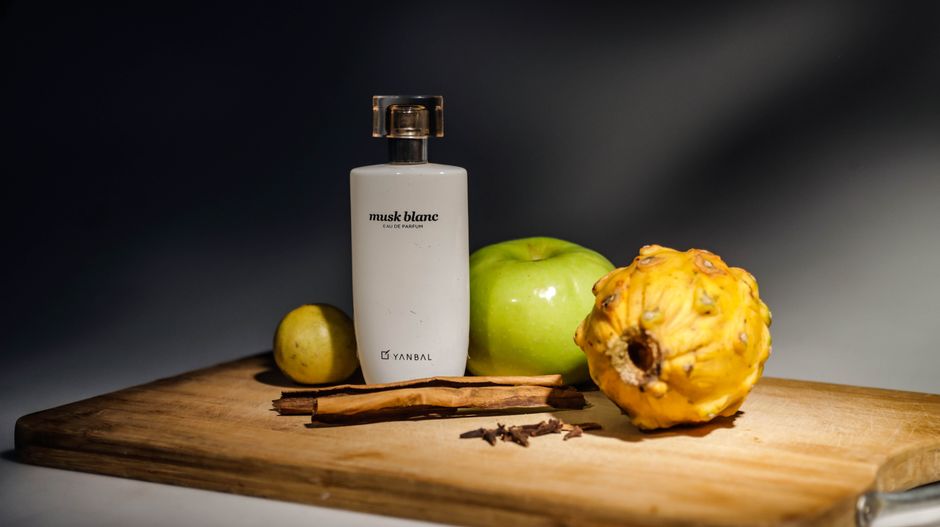
White musk is a fragrance note that has been used for centuries, but its modern production is very different from its historical origins. Today, nearly all white musk used in perfumes, soaps, and lotions is made from synthetic compounds designed to mimic the scent of natural musk. These synthetic versions are considered safe for most people, though they can cause allergic reactions in sensitive individuals.
What Is White Musk Made Of And Is It Safe?
The answer depends on whether you are looking at historical musk or what is sold today. Natural musk comes from a gland of the male musk deer. The gland produces a dark, waxy substance with a powerful, warm, and animalic scent. This substance has been used in perfumery for thousands of years.
Today, harvesting natural musk is illegal in most countries. The musk deer is protected under international trade laws because of overhunting. Almost all white musk on the market today is synthetic. It is created in a laboratory using chemical compounds that replicate the scent profile of natural musk.
What Was Natural Musk Originally?
Natural musk comes from the musk pod, a gland located near the genitals of the male musk deer. The deer is native to the Himalayan region and parts of Asia. The gland secretes a strong-smelling substance used by the deer to mark territory and attract mates.
Historically, the musk pod was harvested by killing the deer. This practice drove several musk deer species to near extinction. The trade in natural musk is now banned under the Convention on International Trade in Endangered Species (CITES). Some farms in China raise musk deer and collect the musk without killing the animal, but this supply is limited and expensive.
White musk is not a separate species of deer. The term “white musk” refers to the cleaned and purified form of the musk substance. When the raw musk is processed and washed, it becomes lighter in color and softer in scent. This purified form was called white musk to distinguish it from the darker, stronger raw musk.
How Is Synthetic White Musk Made?
Synthetic white musk is created through chemical synthesis. Chemists build molecules that mimic the scent of natural musk. These molecules belong to several chemical families, including macrocyclic musks, polycyclic musks, and nitro musks.
Macrocyclic musks are structurally the closest to natural musk. They are large ring-shaped molecules that produce a warm, clean, and sweet scent. These are considered the highest quality synthetic musks and are widely used in fine fragrances.
Polycyclic musks are smaller molecules that are cheaper to produce. They have a cleaner, more powdery scent than macrocyclic musks. They are commonly used in laundry detergents, fabric softeners, and body care products.
Nitro musks are an older class of synthetic musks. They were widely used in the early 20th century but have been largely phased out due to safety concerns. Some nitro musks have been found to accumulate in human fat tissue and breast milk. Most major fragrance manufacturers have stopped using them.





What Does White Musk Smell Like?
White musk has a distinctive scent that is difficult to describe. It is often called clean, soft, powdery, and slightly sweet. Unlike many floral or citrus fragrances, white musk does not smell like anything found in nature. It smells like warmth and cleanliness.
This is why white musk is so popular. It does not compete with other fragrance notes. Instead, it acts as a base that makes other scents last longer on the skin. Perfumers use white musk to give a fragrance depth and longevity.
The scent of white musk can vary depending on the specific synthetic compound used. Some versions smell more like baby powder. Others have a slightly woody or floral character. Higher quality synthetic musks tend to smell smoother and more natural, while cheaper versions can smell sharp or metallic.
Is White Musk Safe For Skin?
For most people, white musk is safe to use on the skin. Regulatory agencies in the United States and Europe have reviewed the safety of synthetic musks used in cosmetics. The Cosmetic Ingredient Review panel in the US and the European Commission’s Scientific Committee have both determined that certain synthetic musks are safe at the concentrations used in consumer products.
However, white musk can cause allergic reactions in some people. Contact dermatitis is the most common reaction. Symptoms include redness, itching, and a rash where the product was applied. The fragrance industry estimates that about 1 to 2 percent of people have a fragrance allergy, and musk compounds are among the more common triggers.
If you have sensitive skin or a known fragrance allergy, test a new product on a small area of skin before applying it widely. Apply a small amount to the inside of your forearm and wait 24 hours to see if a reaction develops.
Are There Environmental Concerns With Synthetic Musks?
Synthetic musks have raised environmental questions. These compounds do not break down easily in the environment. They have been detected in rivers, lakes, and even in fish. Polycyclic musks have also been found in human breast milk and blood samples, although at very low levels.
The health significance of these trace levels is not well understood. The amounts found in human tissues are far below levels that have caused effects in animal studies. Regulatory agencies have not set exposure limits for synthetic musks in cosmetics, but they continue to monitor the compounds.
Some manufacturers are responding to environmental concerns by developing musk compounds that break down more easily. Galaxolide and Tonalide are two common polycyclic musks that have been studied extensively. Research published in environmental science journals has found these compounds in wastewater treatment plant effluent, meaning they survive the treatment process.
How Can You Tell If A Product Contains White Musk?
Fragrance labeling is not always transparent. In the United States, the Fair Packaging and Labeling Act allows manufacturers to list “fragrance” as a single ingredient on cosmetic labels. This means a product can contain white musk without specifically naming it.
If you want to avoid synthetic musks, look for products labeled “fragrance-free” or “unscented.” These products typically contain no fragrance ingredients at all. Products labeled “natural” may still contain synthetic musk unless they specifically state otherwise.
For people who want to avoid synthetic chemicals entirely, some companies make perfume oils using plant-based materials that mimic the scent of musk. These include ambrette seed oil and certain types of angelica root. These botanical musks have a similar powdery, warm scent but are derived from plants rather than laboratories.
What Is The Difference Between White Musk And Other Musks?
Perfumers distinguish between several types of musk. White musk is the cleanest and softest. It lacks the animalic, musky intensity of other musk types. It is often described as smelling like freshly washed skin or clean laundry.
Black musk is a different fragrance profile. It is darker, deeper, and more earthy. Black musk often contains animalic notes that are not present in white musk. Red musk sits between white and black musk. It has a richer, slightly sweeter character than white musk.
These distinctions have no botanical or chemical basis. They are purely perfumery conventions. The same synthetic molecules can be blended differently to create different musk impressions. The terms white, black, and red musk describe the overall scent character, not the ingredients.
Frequently Asked Questions
Is white musk made from animals?
Almost all white musk sold today is synthetic and contains no animal ingredients. Natural musk from the musk deer is illegal to trade in most countries and is extremely rare in commercial products.
Can white musk cause allergies?
Yes, white musk can cause contact dermatitis in sensitive people. Symptoms include redness, itching, and rash, and it is more common in people with existing fragrance allergies.
Is white musk safe during pregnancy?
No specific safety data exists for white musk use during pregnancy. Most dermatologists consider topical use of fragranced products generally safe, but the evidence is limited and some women become more sensitive to scents during pregnancy.
Does white musk contain phthalates?
Some fragranced products contain phthalates, which are used to make scents last longer, but white musk itself is not a phthalate. Check product labels or contact the manufacturer to determine if phthalates are present.
