
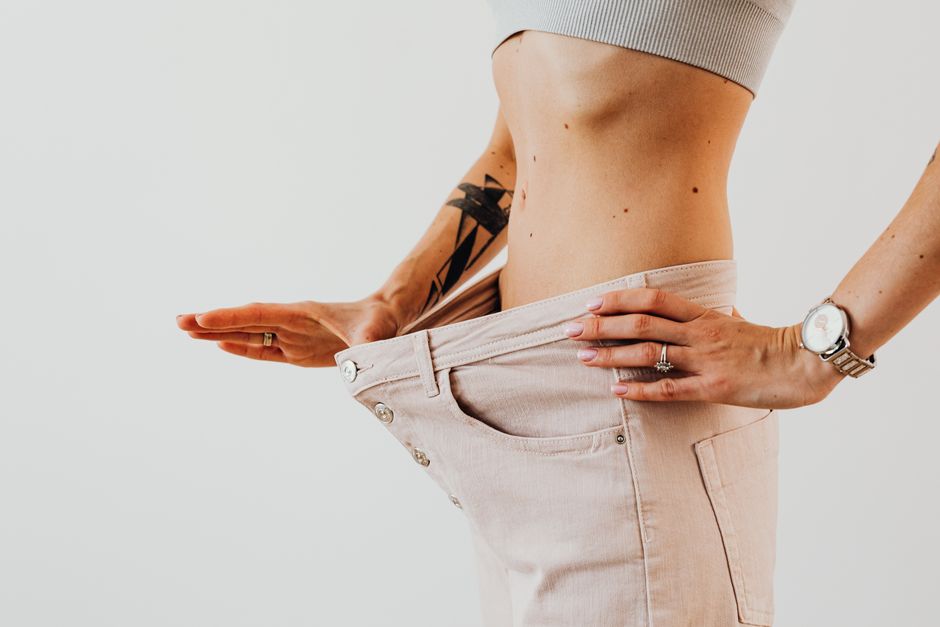
Water weight is the extra fluid your body holds in tissues, blood vessels, and cells. It is not fat. It is water that your body stores for various reasons, and it can make the number on the scale jump up by several pounds in a single day. You lose it by addressing the underlying causes, which often include diet, hormones, and physical inactivity.
What Causes Water Retention?
Your body is roughly 60 percent water. It uses complex systems to keep fluid levels balanced. When those systems shift, fluid builds up in the spaces between your cells. This is called edema, though most people just call it water weight.
Several everyday factors trigger this shift. Eating a meal high in sodium is one of the most common. Your kidneys regulate sodium and water. When you eat more salt than your body needs, it holds onto water to dilute the sodium and maintain a stable blood concentration.
Carbohydrates also play a role. For every gram of carbohydrate you store as glycogen, your body stores about three grams of water. This is why low-carb diets often produce a rapid drop in the scale during the first week. The loss is mostly water, not fat.
Hormones matter too. Many women notice bloating and water retention in the days before their period. Changes in estrogen and progesterone influence how the kidneys handle sodium and water. Heat and humidity can also cause fluid to pool in your lower legs and feet.
Physical inactivity is another cause. Your calf muscles act as a pump that pushes fluid back toward your heart. When you sit or stand for long periods, that pump is less active. Fluid settles in your ankles and legs by gravity.
What Is Water Weight And How Do You Lose It?
Water weight is temporary fluid buildup, and you lose it by helping your body restore its natural fluid balance. The most effective approach is to reduce sodium intake while maintaining adequate water consumption. This sounds counterintuitive, but drinking enough water actually signals your body that it does not need to hoard fluid.
Potassium is equally important. This mineral helps counteract sodium. It encourages your kidneys to excrete excess sodium and water. Foods rich in potassium include bananas, sweet potatoes, spinach, and avocados. Increasing your intake of these foods can help your body release retained fluid.
Movement is the third pillar. Even light activity stimulates circulation and helps your lymphatic system drain excess fluid. Walking for 10 to 15 minutes after a heavy meal can visibly reduce bloating. For people with desk jobs, standing and stretching every hour makes a measurable difference.
How Much Water Weight Can You Lose?
The amount varies by person and circumstance. A typical adult can carry anywhere from 2 to 5 pounds of excess water at any given time. In more extreme cases, such as after a very high-sodium meal or during a hormonal shift, that number can reach 8 to 10 pounds.
Rapid weight loss in the first week of a new diet is almost always water weight. This is why diets that promise “lose 10 pounds in 7 days” are misleading. The initial drop is real, but it is fluid, not fat. Fat loss occurs at a much slower rate. A sustainable fat loss rate is about 1 to 2 pounds per week.
If you suddenly gain 3 or more pounds overnight, that gain is almost certainly water. It is physically difficult to consume enough calories to gain that much fat in one day. The scale can fluctuate by several pounds throughout a single day based on what you ate, drank, and how much you moved.




Does Drinking More Water Actually Help?
Yes, but only if you are dehydrated or consuming excess sodium. When you are dehydrated, your body releases an antidiuretic hormone that tells your kidneys to conserve water. Drinking enough fluid turns off that signal and allows your body to release what it has been holding.
The evidence for “drinking more water flushes out water weight” is mixed in healthy people who are already well-hydrated. If you drink enough water daily, adding more will not necessarily cause a dramatic drop on the scale. The benefit is most pronounced when you transition from under-hydrated to adequately hydrated.
There is no single daily water target that fits everyone. The National Academies of Sciences, Engineering, and Medicine suggests a total daily fluid intake of about 15.5 cups for men and 11.5 cups for women. This includes water from all beverages and foods. Your needs increase with heat, exercise, and illness.
What Foods Help You Lose Water Weight?
Foods that are naturally high in potassium and water content help your kidneys process sodium more efficiently. Cucumbers, celery, watermelon, and citrus fruits are mild natural diuretics because of their high water and potassium content. They are not powerful enough to cause dehydration, but they support normal fluid balance.
Foods with high magnesium content may also help. Some research suggests magnesium can reduce premenstrual water retention, though the evidence is not strong. Good sources include nuts, seeds, dark leafy greens, and whole grains.
Foods to avoid are those high in processed sodium. Canned soups, deli meats, frozen dinners, and fast food are common culprits. A single fast-food meal can contain more than 2,300 milligrams of sodium, which is the recommended upper limit for an entire day. Even foods that do not taste salty, like bread and pastries, can contain significant sodium.
Are Diuretic Supplements Safe?
Over-the-counter “water pills” and diuretic teas are widely sold, but they come with real risks. Most contain herbs like dandelion extract, uva ursi, or caffeine. While these substances can increase urine output, they also deplete electrolytes like potassium and sodium.
Losing too much potassium can cause muscle cramps, weakness, and irregular heart rhythms. This is especially dangerous for people taking blood pressure medications, heart medications, or lithium. No large human trials have confirmed that herbal diuretic supplements are safe for long-term use.
Prescription diuretics, called thiazides or loop diuretics, are effective but should only be used under medical supervision. They are prescribed for conditions like heart failure, kidney disease, and high blood pressure. Using them solely for cosmetic weight loss is dangerous and not recommended by any medical authority.
When Should You See a Doctor About Water Retention?
Occasional water retention from diet or hormones is normal. Persistent swelling is not. See a doctor if your hands, feet, or face stay swollen for more than a few days without a clear cause.
Sudden or severe swelling can signal a serious condition. Heart failure, kidney disease, liver cirrhosis, and venous insufficiency all cause fluid buildup. Swelling in one leg only, especially with pain or redness, could indicate a blood clot and requires immediate medical attention.
Also seek medical advice if water retention is accompanied by shortness of breath, chest pain, or difficulty breathing. These symptoms can indicate fluid around the lungs or heart, which is a medical emergency.
Frequently Asked Questions
How fast can you lose water weight?
Most people can lose 2 to 5 pounds of water weight within 24 to 48 hours by reducing sodium and increasing potassium intake. The exact amount depends on how much fluid you were holding.
Does sweating help you lose water weight?
Sweating does cause temporary fluid loss, but it also removes electrolytes. The effect is short-lived, and you will regain the weight as soon as you drink fluids again.
Is water weight the same as bloating?
Water weight and bloating are related but not identical. Bloating is often caused by gas in the digestive tract, while water weight is fluid in tissues. Both can occur together, but they have different causes and remedies.
Can drinking coffee reduce water weight?
Caffeine is a mild diuretic, but the effect is small and temporary. Regular coffee drinkers build a tolerance, so it has less impact on fluid balance over time.
