
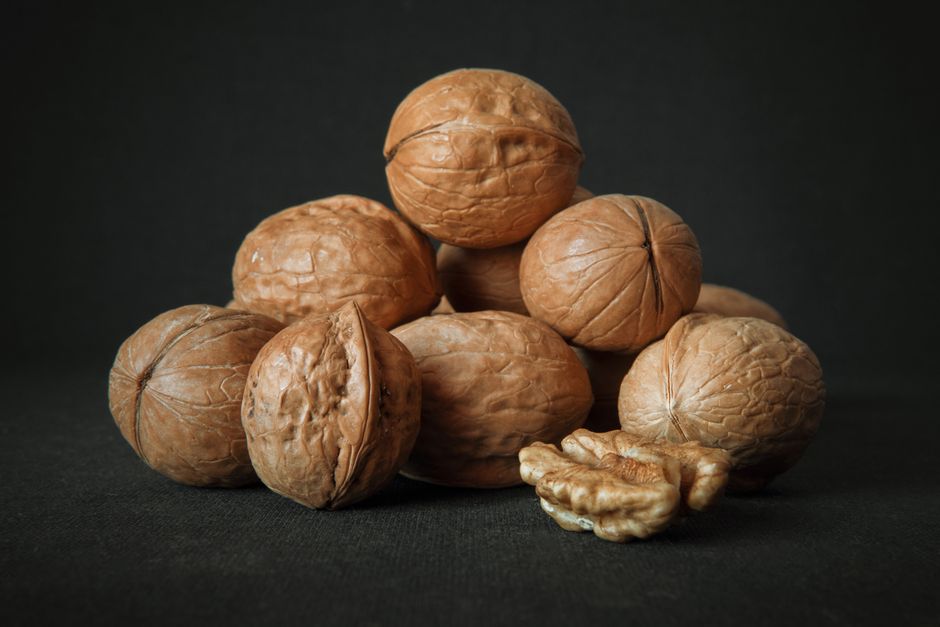
Walnut oil is a cold-pressed oil made from walnuts, and it has two very different jobs depending on where you use it. In the kitchen, it is a finishing oil valued for its nutty flavor and its content of polyunsaturated fats, including alpha-linolenic acid (ALA), a plant-based omega-3 fat. On the skin, it is used as a moisturizing oil because it contains fats that can soften and condition the outer layer of the skin. It is not a medicine, and it is not a substitute for sunscreen or dermatologic treatment.
What Is Walnut Oil Used For in Cooking?
Cooking is the more common use, and it comes down to how the oil behaves under heat. Walnut oil is high in polyunsaturated fats, which are less stable when heated than the monounsaturated fats in olive oil or the saturated fats in coconut oil. That instability means high heat can turn the oil bitter and break down some of its delicate flavor compounds.
Because of this, walnut oil is best treated as a finishing oil rather than a frying oil. People typically:
- Drizzle it over salads and roasted vegetables after cooking
- Whisk it into vinaigrettes and dressings
- Stir it into pasta, grains, or sauces off the heat
- Brush it onto fish or chicken in the final minutes of cooking
Refined walnut oil is more heat-tolerant than cold-pressed or “unrefined” versions and can handle light sautéing. Even so, it is not the oil most cooks reach for when they need high-heat searing. The flavor that makes it special is also the thing that fades fastest, so it tends to be used where its taste can actually be noticed.
Does Walnut Oil Have Health Benefits When Eaten?
Walnut oil carries the same general fat profile as the nut it comes from: mostly polyunsaturated fat, with some monounsaturated fat and a small amount of saturated fat. Its main nutritional claim is its ALA content. ALA is an essential omega-3 fat, meaning the body cannot make it and it must come from food.
Here is where honesty matters. ALA is not the same as the omega-3 fats found in fatty fish, such as EPA and DHA. The body converts ALA to EPA and DHA, but that conversion is inefficient — only a small percentage is converted. So walnut oil is a reasonable plant source of ALA, but it is not equivalent to eating salmon.
Some research suggests that replacing saturated fats with polyunsaturated fats is linked to better cardiovascular outcomes. That is a general finding about fat types, not a finding specific to walnut oil. No large human trials have confirmed that walnut oil on its own produces meaningful health benefits. It is a food, not a treatment.
One practical point: a tablespoon of any oil is calorie-dense. Walnut oil is roughly 120 calories per tablespoon, similar to other oils. Using it generously adds calories quickly, which matters for anyone managing weight.
What Is Walnut Oil Used For on the Skin?
On the skin, walnut oil is used as a moisturizer and massage oil. The idea is straightforward: oils can sit on the surface of the skin and slow water loss, which is why so many skincare products contain plant oils. Walnut oil contains linoleic acid, a fatty acid that is also found naturally in the skin’s outer layer.
Linoleic acid is a real component of skin barrier lipids, and some evidence indicates that oils rich in linoleic acid can be helpful for people with dry or acne-prone skin. But most of that research has looked at specific oils like sunflower and safflower seed oil, not walnut oil specifically. Applying that finding to walnut oil is a reasonable guess, not a proven result.
What walnut oil can do: soften dry surface skin and reduce the feeling of tightness. What it cannot do: repair a damaged skin barrier, treat eczema or psoriasis, or replace a prescribed treatment. The evidence for walnut oil’s skin benefits specifically is limited.





Is Walnut Oil Safe for Skin and Hair?
For most people, applying walnut oil to the skin is unlikely to cause problems. The main concern is allergy. Walnut is a tree nut, and tree nut allergies can be serious. Anyone with a known walnut or tree nut allergy should not put walnut oil on their skin or eat it.
People without a nut allergy can still react. Skin reactions to plant oils are uncommon but possible, especially in people with sensitive or eczema-prone skin. A sensible approach is to test a small amount on a small area first and watch for redness, itching, or irritation.
For hair, walnut oil is sometimes used as a conditioning treatment. It can add shine and reduce frizz by coating the hair shaft. It does not repair split ends or make hair grow faster, despite what some marketing claims suggest. No study has confirmed that walnut oil promotes hair growth.
How Does Walnut Oil Compare to Other Oils?
Walnut oil is not the only option for either cooking or skin, and comparing it to common alternatives helps clarify where it fits.
| Oil | Main fat type | Best kitchen use | Common skin use |
|---|---|---|---|
| Walnut oil | Polyunsaturated | Finishing, dressings | Moisturizing |
| Olive oil | Monounsaturated | Sautéing, roasting, dressings | Moisturizing, cleansing |
| Coconut oil | Saturated | High-heat cooking, baking | Moisturizing, occlusive layer |
| Sunflower oil | Polyunsaturated | Frying, baking | Moisturizing (studied for barrier support) |
| Jojoba oil | Wax ester | Not for cooking | Moisturizing, close to skin’s own oils |
The pattern is simple. Oils high in saturated fat hold up better under heat. Oils high in polyunsaturated fat, like walnut and sunflower, are more delicate and better used cool. For skin, the differences between oils matter less than how your own skin responds. An oil that works well for one person may feel greasy or irritating to another.
How Should Walnut Oil Be Stored?
Walnut oil goes rancid faster than most cooking oils because of its polyunsaturated fat content. Heat, light, and air all speed up that process. Rancid oil smells sharp or paint-like and should be thrown out.
To slow spoilage:
- Buy oil in dark glass bottles when possible
- Store it in a cool, dark cabinet, not next to the stove
- Refrigerate it after opening to extend shelf life
- Use it within a few months of opening for best flavor
Refrigeration can make the oil cloudy or solid. That is normal and it returns to liquid at room temperature. Cold-pressed walnut oil tends to spoil faster than refined versions because it retains more of the compounds that break down over time.
What Are the Main Risks and Limits?
The biggest risk with walnut oil is allergy. Tree nut allergies can cause reactions ranging from mild skin irritation to a severe, life-threatening response called anaphylaxis. If you have a tree nut allergy, walnut oil is off the table for both eating and skin use.
Beyond allergy, the limits are about expectations. Walnut oil is a food and a cosmetic oil. It is not a treatment for any medical condition. It does not replace sunscreen, and using oil on your skin does not protect you from sunburn. It does not treat acne, eczema, or infections.
If you have persistent dry skin, a rash, or a skin condition that is not improving, that is a reason to see a clinician, not a reason to try more oils. Some skin problems look similar but have very different causes, and only an exam can sort that out.
Frequently Asked Questions
Can you cook with walnut oil?
Yes, but it is best used as a finishing oil rather than for high-heat frying. Refined walnut oil can handle light sautéing, while cold-pressed versions are better drizzled over food after cooking.
Is walnut oil good for your skin?
It can moisturize dry surface skin by slowing water loss, similar to other plant oils. The evidence for benefits specific to walnut oil is limited, and it does not treat skin conditions.
Is walnut oil safe if you have a nut allergy?
No. Walnut oil comes from walnuts, which are tree nuts, and people with tree nut allergies should avoid it for both eating and skin use.
Does walnut oil help hair grow?
No study has confirmed that walnut oil promotes hair growth. It can add shine and reduce frizz by coating the hair shaft, but it does not affect growth.
