
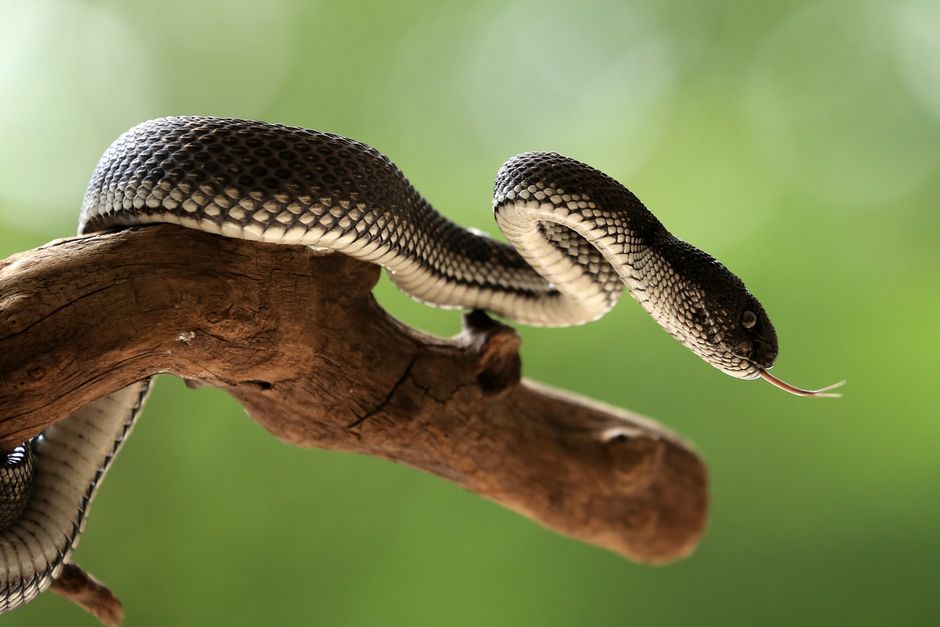
Venom is a specialized toxic secretion produced by an animal and delivered into another animal through a wound. It is not the same as poison, which is harmful when touched or swallowed. Venom contains a complex mixture of proteins, enzymes, and other molecules that disrupt normal biological processes. The study of venom helps scientists understand how these toxins work and how they can be used in medicine.
What Is Venom The Science Behind Natures Toxin?
Venom is an active weapon, not a passive defense. It is produced in specialized glands and injected through fangs, stingers, spines, or other delivery systems. This distinction matters because it separates venomous animals from poisonous ones. A poison dart frog is poisonous when touched or eaten. A rattlesnake is venomous because it delivers its toxin through a bite.
Venom evolved independently in many animal groups over millions of years. Snakes, spiders, scorpions, cone snails, jellyfish, and even some mammals like the platypus produce venom. Each species developed a unique chemical cocktail suited to its hunting or defense needs. The result is a remarkable range of biological weapons, each targeting specific systems in the victim’s body.
How Does Venom Work in the Body?
Venom components act on the body at the cellular and molecular level. Most venoms contain dozens or even hundreds of different compounds. These compounds work together to incapacitate prey or deter predators. The three main categories of venom action are neurotoxic, hemotoxic, and cytotoxic.
Neurotoxic venoms attack the nervous system. They interfere with the transmission of signals between nerves and muscles. This can cause paralysis, respiratory failure, and death. The venom of the inland taipan and many sea snakes works this way.
Hemotoxic venoms affect the blood and cardiovascular system. They may prevent blood from clotting, cause uncontrolled bleeding, or damage blood vessel walls. Some also destroy red blood cells. Viper venoms often contain strong hemotoxic components.
Cytotoxic venoms destroy cells directly at the site of the bite or sting. They can cause severe tissue damage, necrosis, and permanent scarring. The venom of the brown recluse spider is a well-known example of a cytotoxic venom.
Most real venoms do not fit neatly into one category. A single venom can have neurotoxic, hemotoxic, and cytotoxic effects simultaneously. This is one reason snakebite treatment is complex and requires specific antivenoms.
How Is Venom Different From Poison?
The difference between venom and poison comes down to delivery method. Venom must be injected into the body to cause harm. Poison must be inhaled, ingested, or absorbed through the skin. This is the standard biological definition used by scientists and medical professionals.
Some animals are both venomous and poisonous. The Asian tiger snake produces venom in its fangs and also stores toxins from its prey in its skin. But most animals fall clearly into one category or the other. Understanding the difference matters for safety. A venomous snakebite requires different first aid than eating a poisonous plant.
The confusion between these terms is common in everyday language. People call a venomous snake “poisonous” all the time. Biologists and medical professionals use the terms precisely because treatment depends on the route of exposure.





What Are the Most Dangerous Venomous Animals?
Several animals stand out for the potency of their venom. The box jellyfish found in Australian waters has tentacles covered in nematocysts that fire venom into the skin. Its venom attacks heart cells, nerves, and skin simultaneously. The inland taipan of Australia produces the most toxic venom of any land snake by volume. One bite contains enough venom to kill many adult humans.
The Brazilian wandering spider is considered the most venomous spider in the world. Its venom affects nerve channels and can cause priapism, a prolonged and painful erection. The geographic cone snail uses a harpoon-like tooth to inject venom that causes rapid paralysis. Several human deaths have been recorded from cone snail stings.
Stonefish carry venom in their dorsal spines. Stepping on one can cause excruciating pain, tissue death, and in severe cases, heart failure. The blue-ringed octopus produces tetrodotoxin, the same toxin found in pufferfish. Its bite can cause complete paralysis and respiratory arrest within minutes.
These animals are dangerous because their venom acts quickly and targets essential functions like breathing or heart rhythm. However, the risk of encountering them is low for most people. Antivenoms exist for many of these species, and prompt medical care dramatically improves outcomes.
How Do Scientists Study Venom?
Venom research combines field biology, chemistry, and medicine. Scientists collect venom from live animals using specialized techniques. Snakes are “milked” by allowing them to bite through a membrane over a collection vessel. Spiders and scorpions are stimulated with mild electrical pulses to release venom droplets.
Once collected, venom is analyzed using techniques like chromatography and mass spectrometry. These methods separate the venom into its individual components and identify the molecular structure of each. This analysis reveals which proteins are present and what they might do in the body.
Researchers also test venom components on cell cultures and animal models. These experiments show how specific toxins affect nerve cells, muscle tissue, or blood vessels. This work has led to important discoveries about how the nervous system functions and how blood clotting works.
One of the most famous examples is the development of ACE inhibitors from the venom of the Brazilian jararaca viper. These drugs are now widely used to treat high blood pressure and heart failure. This is a clear example of how a deadly toxin can become a life-saving medicine.
How Is Venom Used in Medicine?
Venom components have proven valuable in medical research and treatment. Captopril, developed from viper venom, was one of the first ACE inhibitors approved for treating hypertension. It works by blocking an enzyme that narrows blood vessels.
Other venom-derived drugs are in use or under investigation. A compound from the venom of the Gila monster lizard helps manage blood sugar in type 2 diabetes. This drug, called exenatide, mimics a hormone that stimulates insulin release. The venom of the deathstalker scorpion contains a peptide being studied for its ability to deliver drugs to the brain.
Antivenom itself is a medical product made from venom. It is produced by injecting small, safe amounts of venom into horses or sheep. The animal’s immune system produces antibodies against the venom. These antibodies are then collected and purified to create antivenom.
Antivenom is the only effective treatment for severe envenomation. It works best when given soon after the bite or sting. Delays in treatment can lead to permanent tissue damage or death. This is why anyone bitten by a venomous animal should seek emergency medical care immediately.
What Should You Do If Bitten or Stung?
Immediate medical care is the priority after any venomous bite or sting. Call emergency services or go to the nearest emergency room. Do not wait for symptoms to develop because some venoms act quickly.
Keep the affected limb still and at or below heart level if possible. Remove rings, watches, and tight clothing before swelling begins. Do not apply a tourniquet, cut the wound, or try to suck out the venom. These old methods are not supported by evidence and can cause more harm.
Do not apply ice or heat to a venomous bite unless instructed by a medical professional. Do not drink alcohol or take pain relievers like ibuprofen before seeing a doctor. These can interfere with treatment or mask important symptoms.
If possible, take a photo of the animal from a safe distance. Do not attempt to catch or kill it. Identification can help doctors choose the right antivenom, but treatment should not be delayed while trying to identify the animal.
Why Do Some Animals Survive Venomous Bites?
Some animals have natural resistance to venom. Mongooses, honey badgers, and certain snakes can survive bites from venomous species that would kill most other animals. This resistance comes from mutations in the proteins that venom targets.
Venom often works by binding to specific receptors on cells. If a receptor has a slightly different shape, the venom may not bind effectively. This is how some animals develop resistance over evolutionary time. The king cobra, for example, can eat other venomous snakes because it has some resistance to their venom.
This resistance is not absolute. A mongoose can survive a cobra bite but may still be affected by a large dose. Resistance reduces the effect of venom rather than eliminating it entirely. This is an important distinction because even resistant animals can die from multiple bites or from species with different venom components.
What Is the Future of Venom Research?
Venom research is expanding beyond traditional uses. Scientists are exploring venom peptides as potential treatments for chronic pain, autoimmune diseases, and even cancer. The diversity of venom components means many promising compounds remain unstudied.
New technology is accelerating the pace of discovery. Genomic sequencing can identify venom genes without collecting large amounts of venom. Synthetic biology allows researchers to produce venom proteins in the laboratory. These advances make it easier to study rare or dangerous species.
Conservation is also becoming part of venom research. Many venomous species face habitat loss and declining populations. Losing these species means losing potential medicines that have not yet been discovered. Protecting venomous animals is not just about safety or biodiversity. It is about preserving a natural pharmacy that could benefit human health for generations.
Frequently Asked Questions
What is the difference between venom and poison?
Venom must be injected into the body through a bite or sting, while poison is harmful when touched, inhaled, or swallowed. This delivery difference is the standard scientific distinction between the two.
Which animal has the most toxic venom?
The inland taipan of Australia produces the most toxic venom by volume of any land snake. However, toxicity does not always mean the most dangerous because delivery amount and human contact also matter.
Can venom be used as medicine?
Yes, several medications have been developed from venom components, including blood pressure drugs and diabetes treatments. Antivenom itself is also produced using venom to create antibodies in animals.
What should you never do after a snakebite?
Do not apply a tourniquet, cut the wound, or try to suck out the venom. These methods are not supported by evidence and can increase tissue damage.
