
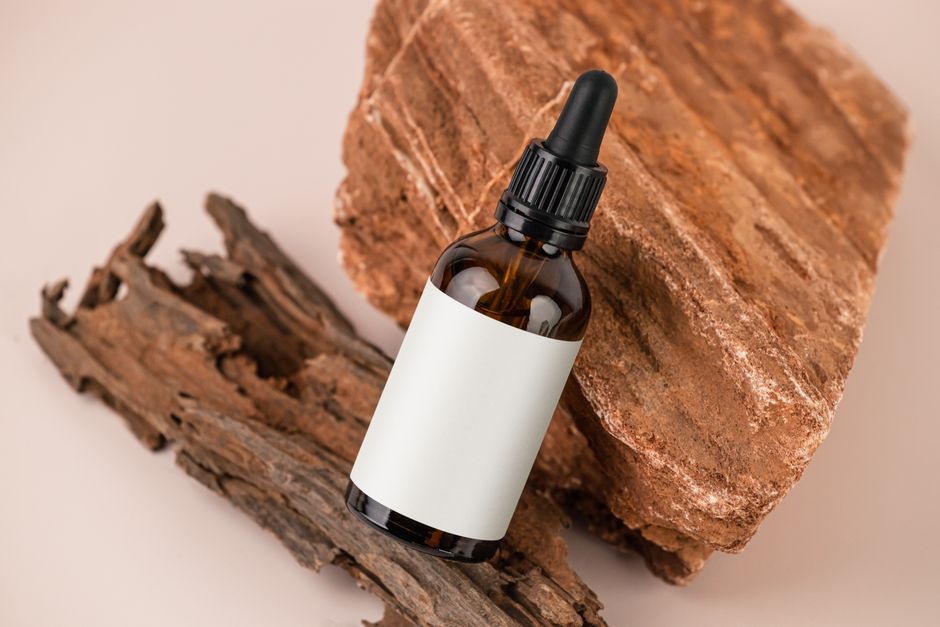
Vanilla essence is a liquid flavoring made by dissolving vanilla flavor compounds in a water-and-alcohol base. It is the most common form of vanilla sold in grocery stores, and it is what most American recipes mean when they call for “vanilla extract.” The two terms are used almost interchangeably in everyday cooking, though they are not always the same product.
That overlap causes real confusion. A bottle labeled “vanilla essence” in the United States and a bottle with the same label in the United Kingdom can contain very different things. Understanding what is actually inside the bottle matters, because vanilla is one of the most substituted and mislabeled flavorings in the food supply.
What Is Vanilla Essence Made Of?
The core ingredient is vanillin, the primary flavor compound found in vanilla beans. Vanillin is the molecule responsible for most of what people recognize as vanilla taste and smell.
In the United States, pure vanilla extract is defined by federal food standards. It must be made by macerating chopped vanilla beans in a solution of water and alcohol, and it must contain a minimum amount of vanilla bean solids and a specified alcohol content. The alcohol acts as a solvent, pulling flavor compounds out of the beans and preserving them.
Vanilla essence, by contrast, has no single legal definition in the US. It can mean:
- Pure vanilla extract, sold under a different name
- A blend of natural and synthetic vanillin
- A solution made entirely with synthetic vanillin, water, and alcohol or propylene glycol
This is the key distinction. “Essence” is a marketing and labeling term, not a regulated category. Two bottles with identical labels can contain completely different products.
What Is the Difference Between Vanilla Essence and Vanilla Extract?
In the US, the difference comes down to regulation and source. Vanilla extract is a standardized product with legal requirements. Vanilla essence is not.
Pure vanilla extract must be made from actual vanilla beans. It carries a higher price because vanilla is one of the most labor-intensive crops in the world. The beans are hand-pollinated and cured over months, and prices have swung dramatically over the past decade due to crop failures in major growing regions.
Vanilla essence is often made with synthetic vanillin, which is produced from sources like guaiacol or lignin. Synthetic vanillin is chemically identical to the vanillin found in vanilla beans, even though the overall flavor is simpler. Natural vanilla contains hundreds of additional aromatic compounds that synthetic versions do not replicate.
That difference is detectable. A trained palate can often tell pure extract from synthetic vanilla in a side-by-side taste test, especially in uncooked applications like custard or ice cream. In baked goods, where heat and other ingredients mask subtle notes, the difference is much harder to notice.
Is Vanilla Essence the Same as Vanilla Flavoring?
No, though the terms overlap in confusing ways. “Vanilla flavoring” is a broad category that includes extract, essence, vanilla powder, vanilla paste, and imitation vanilla.
The term “imitation vanilla” has a specific meaning in US labeling. It refers to a product where the flavor comes from sources other than vanilla beans. This is legal and clearly labeled, and it is usually the cheapest option on the shelf.
Vanilla essence often falls somewhere in between. It may contain some real vanilla, or it may not. Without reading the ingredient list, there is no way to know.
Here is a non-obvious point worth knowing: in the UK and much of Europe, “vanilla essence” typically means a synthetic product, while “vanilla extract” means the real thing. In the US, the two terms are used more loosely. If you are following a British recipe and it calls for vanilla essence, substituting American pure extract will usually work fine, but the reverse is not always true.



How Should You Read a Vanilla Label?
The ingredient list tells you almost everything. A pure extract will list vanilla bean extractives, water, and alcohol. That is it.
An imitation or blended product will list ingredients like vanillin, ethyl vanillin, propylene glycol, glycerin, or corn syrup. Some will list “natural flavors,” which is a legal term that does not tell you the source.
A few practical rules:
- If the label says “pure vanilla extract,” it meets federal standards
- If it says “vanilla flavor” or “vanilla essence,” the source is unclear
- If it says “imitation vanilla,” the flavor is synthetic
- If the price seems too low for real vanilla, it probably is
Vanilla is expensive because growing it is difficult. A bottle of pure extract at a suspiciously low price is a signal worth paying attention to.
Does Vanilla Essence Contain Alcohol?
Most vanilla products contain alcohol, usually in the range of 35 percent by volume for pure extract. The alcohol is not there for flavor. It is a solvent that extracts and preserves the aromatic compounds from the beans.
Alcohol-free versions exist. They typically use glycerin or propylene glycol as the solvent instead. These are sometimes marketed toward people who avoid alcohol for religious, medical, or personal reasons.
The flavor profile of alcohol-free vanilla is generally considered weaker and less complex. Glycerin is a less effective solvent for the full range of vanilla compounds. For most home baking, the difference is minor. For uncooked applications, it can be noticeable.
For anyone concerned about alcohol content in baked goods, the amount used in a typical recipe is small, and much of the alcohol evaporates during baking. The exact amount remaining depends on baking time and temperature, and no single figure applies to every recipe.
Can You Substitute One for the Other?
In most recipes, yes. Vanilla essence, extract, and imitation vanilla can usually be swapped one-for-one without changing the structure of a recipe.
The swap matters most in uncooked or lightly cooked dishes. Custards, ice cream bases, frostings, and no-bake desserts showcase vanilla flavor directly, so the quality difference is more obvious. In cookies, cakes, and quick breads, the difference is often lost among other ingredients.
One caution: do not swap vanilla extract for vanilla paste or whole beans without adjusting. Paste contains seeds and has a thicker consistency. Whole beans need to be split and steeped, and they release flavor more slowly.
Vanilla extract also contains alcohol, which can affect recipes that are sensitive to liquid ratios. This is rarely an issue in standard baking, but it can matter in candy making or recipes where precise moisture content is critical.
Is Vanilla Essence Safe?
For normal culinary use, vanilla products have a long history of safe consumption. Synthetic vanillin has been used in food for over a century and is generally recognized as safe by regulators when used as intended.
The larger concern is not safety but honesty in labeling. A product sold as “vanilla essence” with no further detail could be pure extract or a synthetic blend, and the buyer has no way to tell without reading the ingredients.
There is no evidence that culinary amounts of vanilla pose health risks for the general population. Anyone with a specific allergy or sensitivity should check with a healthcare provider, as with any food ingredient.
Frequently Asked Questions
Is vanilla essence the same as vanilla extract?
Not always. In the US, pure vanilla extract is a legally standardized product made from real vanilla beans, while vanilla essence has no fixed definition and may be synthetic, natural, or a blend.
Is vanilla essence real vanilla?
It depends on the brand and the country. Some vanilla essence is pure extract sold under a different name, while other products are made entirely with synthetic vanillin.
Can I use vanilla essence instead of vanilla extract in baking?
Yes, in most recipes you can swap them one-for-one. The difference is most noticeable in uncooked dishes like custard or frosting, and least noticeable in baked goods.
Does vanilla essence contain alcohol?
Most vanilla products contain alcohol, typically around 35 percent by volume in pure extract. Alcohol-free versions use glycerin or propylene glycol instead, though the flavor is often less complex.
