
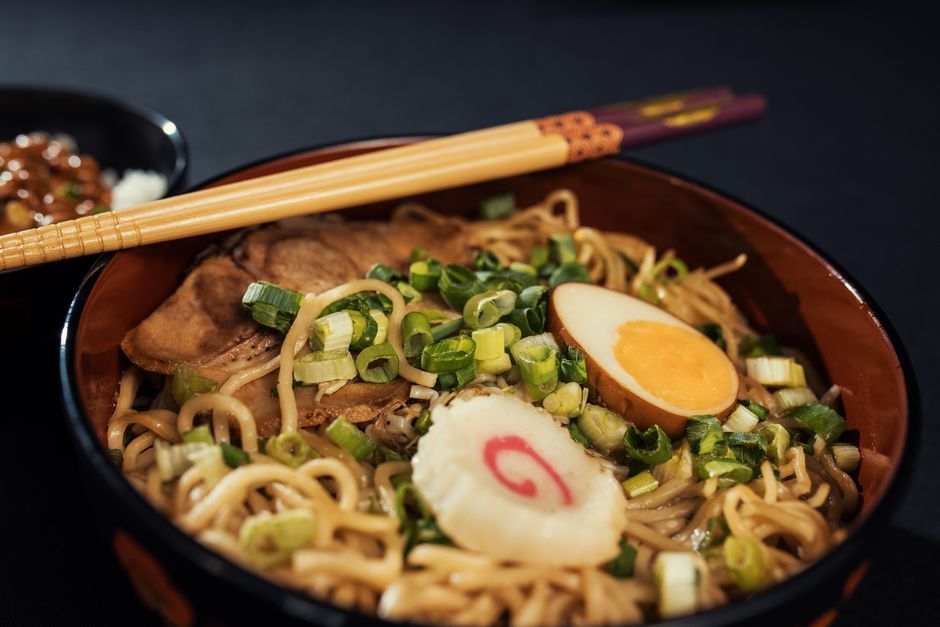
Umami sauce is a liquid seasoning made to deliver the savory, mouth-filling taste known as umami. It is not one fixed recipe. The term covers a range of products and kitchen preparations, from Asian-style seasonings built on soy or fish to Western blends that combine mushrooms, tomatoes, or yeast extract. What they share is a focus on glutamate and related compounds that create that deep, brothy sensation on the tongue.
The word umami comes from Japanese and roughly means “pleasant savory taste.” It was identified as a distinct basic taste — alongside sweet, sour, salty, and bitter — through research on glutamate by Japanese chemist Kikunae Ikeda in the early twentieth century. That science is well established today. What counts as “umami sauce” on a store shelf is far less standardized.
What Is Umami Sauce and What Makes It Taste Savory?
Umami is a real, measurable taste detected by specific receptors on the tongue. The main trigger is glutamate, an amino acid found naturally in many foods. Certain nucleotides — inosinate, found in meat and fish, and guanylate, found in dried mushrooms — amplify the glutamate signal. When both are present together, the savory effect is stronger than either alone.
That is why a sauce combining soy (glutamate) with fish or mushroom ingredients (nucleotides) tastes deeper than its parts would suggest. This synergy is well documented in taste science. It is also why cooks have paired these ingredients for centuries without knowing the chemistry behind it.
An umami sauce, then, is any liquid condiment designed around these compounds. Common bases include:
- Soy sauce, which is naturally high in glutamate from fermented soybeans and wheat
- Fish sauce, made from fermented anchovies and rich in both glutamate and inosinate
- Mushroom extracts, especially from shiitake and other dried varieties
- Tomato concentrate, which contains naturally occurring glutamate
- Yeast extract, a concentrated source of savory flavor used in many commercial products
- Miso, a fermented soybean paste often thinned into sauces
Many commercial “umami sauces” are blends. A label might list soy sauce, yeast extract, mushroom powder, and vinegar together. The goal is a concentrated savory hit you can add to dishes the way you would add salt or hot sauce.
Is Umami Sauce the Same as Soy Sauce or Fish Sauce?
No. Soy sauce and fish sauce are specific traditional products with defined ingredients and fermentation methods. Umami sauce is a broader category, and many products sold under that name are newer formulations built to emphasize savory flavor.
Regular soy sauce is already a powerful umami source on its own. So is fish sauce. If a bottle labeled “umami sauce” sits next to a bottle of soy sauce in your kitchen, you may be paying more for a similar function. That is worth knowing before you buy.
The distinction matters most for cooking. Soy sauce brings salt and a fermented soybean flavor. Fish sauce brings salt and a pungent anchovy character that mellows when cooked. A blended umami sauce may be milder, sweeter, or more concentrated depending on the recipe. Read the ingredient list to know what you are actually getting.
How Do You Use Umami Sauce in Cooking?
You use it the way you would use any savory condiment — in small amounts, added to taste. A spoonful stirred into soups, stews, stir-fries, marinades, or salad dressings deepens flavor. It can also be brushed onto roasted vegetables or whisked into a sauce at the end of cooking.
Because most versions are salty, treat them as a salt substitute rather than an addition. If a recipe already calls for soy sauce or fish sauce, adding umami sauce on top can push a dish past pleasant saltiness. Start with less than you think you need.
A few practical notes:
- Add it early in cooking for dishes that simmer, so the flavor melds
- Add it at the end for fresh sauces and dressings, where heat would dull it
- Taste before adding salt, since the sauce usually carries plenty
- Store according to the label — many fermented sauces keep well in the fridge after opening
One clarification worth making: umami is not the same as saltiness, even though salty ingredients often deliver it. Umami is its own taste. A dish can taste deeply savory with modest salt if the glutamate and nucleotide content is high. That is part of why these sauces are popular with cooks trying to build flavor.
Is Umami Sauce Healthy? What the Evidence Shows
There is no single answer because there is no single product. The health profile depends almost entirely on sodium content and what else is in the bottle. Most soy-based, fish-based, and yeast-extract sauces are high in sodium. That is the main thing to watch.
High sodium intake is linked to elevated blood pressure in a large body of research, and reducing sodium is a widely recommended public health goal. The exact sodium level varies widely by product. Check the nutrition label rather than assuming. Some brands offer lower-sodium versions.
Glutamate itself has a complicated reputation that deserves an honest look. Monosodium glutamate, or MSG, is a purified form of glutamate. Fears about MSG date largely to a 1968 letter to a medical journal describing symptoms after eating at Chinese restaurants. Later controlled studies have generally not reproduced those symptoms in most people, and regulatory bodies including the U.S. Food and Drug Administration have concluded MSG is safe for the general population.
That said, some people report sensitivity, and a small number of studies suggest a minority may experience symptoms after large amounts. The evidence here is limited and mixed. If you notice a reaction, that is worth discussing with a clinician rather than dismissing.
What about the sauces themselves? No large human trials have tested whether commercial umami sauces produce specific health benefits. Any claims about them supporting health, beyond general nutrition, are not backed by clinical evidence. They are flavor tools, not health products.
What Should You Look For on an Umami Sauce Label?
Sodium is the first number to check. Compare the milligrams per serving against other condiments you use. A sauce with far more sodium than soy sauce may not be the upgrade it appears to be.
Next, read the ingredient list. Shorter lists of recognizable fermented ingredients are generally closer to traditional products. Longer lists with added sugars, starches, or flavor enhancers may be more processed. Neither is automatically bad, but you should know what you are buying.
If you have dietary restrictions, pay attention:
- Soy-based sauces are not suitable for people avoiding soy
- Fish sauce is not suitable for people avoiding fish or following a vegetarian diet
- Some products contain gluten from wheat in the fermentation process
- Added sugars appear in some sweetened blends
For anyone managing blood pressure or following a low-sodium diet, the amount used matters more than the brand. A teaspoon of a high-sodium sauce can carry a meaningful share of a day’s sodium. Measure rather than pour freely.
Can You Make Umami Sauce at Home?
Yes, and it is straightforward. A simple version combines soy sauce, a little mushroom powder or dried mushroom soaking liquid, and a splash of vinegar or citrus to balance the salt. You can adjust the intensity to your taste.
Home preparation gives you control over sodium and ingredients. It also lets you avoid additives you may not want. The trade-off is that homemade sauces may not keep as long as commercial ones, so make small batches and refrigerate them.
There is no official recipe, because umami sauce is a concept rather than a fixed formula. Traditional condiments like soy sauce and fish sauce already do the job. A homemade blend is simply a way to combine several savory sources into one convenient bottle.
Frequently Asked Questions
What is umami sauce made of?
It varies by product, but common bases include soy sauce, fish sauce, mushroom extract, tomato concentrate, yeast extract, and miso. Many commercial versions blend several of these ingredients.
Is umami sauce the same as MSG?
No. Umami sauce is a food condiment, while MSG is a purified form of glutamate used as an additive. Some sauces contain naturally occurring glutamate, and a few may include added MSG, so check the label.
Is umami sauce high in sodium?
Most versions are high in sodium because they are built on salty fermented ingredients like soy or fish sauce. Sodium levels vary by product, so compare nutrition labels before buying.
Can you use umami sauce every day?
You can use it regularly, but watch your total sodium intake, since most versions are salty. If you have high blood pressure or follow a low-sodium diet, measure portions and check with a clinician about what fits your needs.
