
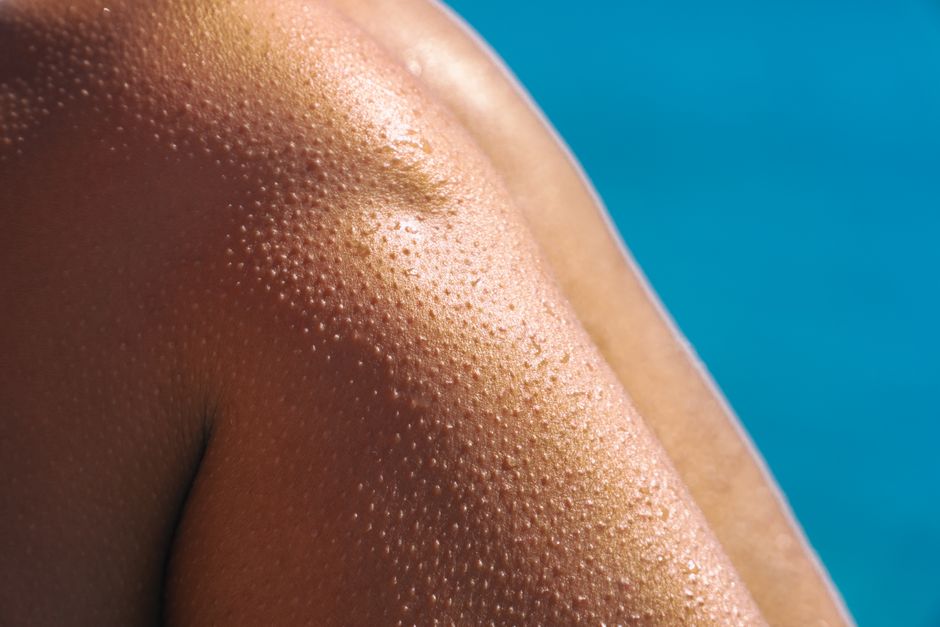
Type 3 skin on the Fitzpatrick scale is a light-to-medium brown skin tone that sometimes burns and gradually tans. The scale was developed by dermatologist Thomas Fitzpatrick in 1975 to classify how different skin types respond to ultraviolet (UV) light. It is used in dermatology to estimate sunburn risk and guide certain treatment decisions.
People with Type 3 skin are common in the United States, especially among those with European, Mediterranean, or mixed ancestry. Understanding how your skin responds to the sun helps you make informed choices about protection and care.
What Is Type 3 Skin Fitzpatrick Scale Explained?
The Fitzpatrick scale sorts skin into six types based on color and how it reacts to UV exposure. Type 3 sits in the middle. People with this skin type often have a light-brown or olive complexion, dark hair, and brown eyes. They may burn after about 20 to 30 minutes of unprotected midday sun, but they also tan gradually.
The scale is a tool, not a perfect science. It relies partly on self-reporting and visual assessment, which means two people could be classified differently by different clinicians. It also does not capture every skin variation equally well. The original scale was developed primarily for lighter skin tones, and its lower categories have been criticized for not fully representing darker skin.
Still, the Fitzpatrick scale remains widely used. Dermatologists use it to estimate UV sensitivity, guide laser treatment settings, and assess risk for certain skin conditions. It is not a diagnostic test for any disease.
How Does the Fitzpatrick Scale Classify Skin Types?
The scale runs from Type 1 to Type 6, moving from very pale skin to deeply pigmented skin. The classification depends on two main factors: your natural skin color and how your skin responds to sun exposure, specifically whether you burn or tan.
- Type 1: Very pale skin, always burns, never tans
- Type 2: Fair skin, usually burns, tans minimally
- Type 3: Light-to-medium skin, sometimes burns, tans gradually
- Type 4: Olive or light-brown skin, rarely burns, tans easily
- Type 5: Brown skin, very rarely burns, tans deeply
- Type 6: Deeply pigmented dark-brown or black skin, almost never burns
These categories are not fixed boxes. A person’s response to sun can shift depending on where they live, the season, and how much sun exposure they get regularly. Someone who has not been in the sun for months may burn more easily than their usual classification suggests.
What Are the Characteristics of Type 3 Skin?
Type 3 skin has a light-to-medium tone with some natural pigment. It may appear cream, light olive, or light brown. People with this skin type often have dark hair and brown eyes, though exceptions are common.
The key characteristic is a mixed response to sun. Type 3 skin can burn, especially with intense or prolonged exposure, but it also produces melanin that leads to a tan. This tan offers some protection but not enough to prevent damage from repeated UV exposure.
Freckles may appear in some people with Type 3 skin, particularly on sun-exposed areas. The skin may also be prone to uneven pigmentation after injury or inflammation, a condition called post-inflammatory hyperpigmentation. This is more common in medium skin tones than in very pale skin.
How Does Type 3 Skin Respond to Sun Exposure?
Type 3 skin usually burns after moderate unprotected sun exposure and tans gradually with repeated exposure. The burn threshold is often cited as around 20 to 30 minutes of midday summer sun, though this varies widely based on UV index, altitude, and time of day.
When UV radiation hits the skin, it damages DNA in skin cells. The body responds by increasing blood flow to the area, which causes redness and warmth, the visible signs of a sunburn. In Type 3 skin, this response happens at moderate exposure levels, not just extreme ones.
Tanned skin is a sign of injury response, not health. The skin produces more melanin as a protective measure against further UV damage. A tan does not mean the skin is undamaged. Research consistently shows that any tanning, whether from the sun or a tanning bed, increases the risk of skin cancer over time.
What Sun Protection Does Type 3 Skin Need?
Type 3 skin needs consistent sun protection, even though it tans. The tan does not provide enough defense against UV damage. The American Academy of Dermatology recommends broad-spectrum sunscreen with an SPF of 30 or higher for all skin types, reapplied every two hours during sun exposure.
Beyond sunscreen, protective measures include:
- Seeking shade during peak UV hours, typically late morning to mid-afternoon
- Wearing protective clothing, such as long sleeves and wide-brimmed hats
- Using sunglasses that block both UVA and UVB rays
- Avoiding tanning beds entirely
No sunscreen blocks 100 percent of UV rays. SPF 30 blocks about 97 percent of UVB rays when applied correctly. Application matters as much as the number on the label. Most people apply far less than the amount used in testing, which means real-world protection is often lower than the SPF suggests.
Why Does Skin Type Matter for Skin Cancer Risk?
Skin type affects skin cancer risk, but it does not determine it alone. People with lighter skin types, including Type 3, have a higher risk of skin cancer than those with darker skin. However, skin cancer can occur in any skin type, including Type 6.
For Type 3 skin, the risk comes from the combination of occasional burns and cumulative sun exposure over decades. A history of sunburns, especially blistering sunburns in childhood or adolescence, is a well-established risk factor for melanoma and other skin cancers. Research published in cancer and dermatology journals has consistently linked sunburn history to increased skin cancer risk.
Basal cell carcinoma and squamous cell carcinoma are the most common skin cancers, and they are strongly associated with cumulative UV exposure. Melanoma is less common but more dangerous. It can develop in any skin type, and in people with darker skin it often appears in areas that get little sun, such as the palms, soles, or under the nails.
How Is the Fitzpatrick Scale Used in Medical Settings?
Dermatologists use the Fitzpatrick scale to guide treatment decisions, particularly for procedures that use light or lasers. The amount of melanin in the skin affects how laser energy is absorbed, so the scale helps clinicians choose safer settings and reduce the risk of burns or scarring.
The scale is also used in research to group participants by skin type and in some clinical guidelines to assess risk for conditions related to UV exposure. It is not used to diagnose skin cancer or any other disease.
Some clinicians also use the Fitzpatrick scale when assessing risk for post-inflammatory hyperpigmentation after procedures. Medium skin tones, including Type 3, can be more prone to this than very light skin, though individual variation is significant. This is a case where clinical experience often guides decisions more than large trials, and some clinicians are more cautious than others with certain treatments in medium skin tones.
What Are the Limitations of the Fitzpatrick Scale?
The Fitzpatrick scale is a simplification. It was designed for a specific clinical purpose, not as a complete measure of skin biology. It does not account for genetic differences, medication use, or conditions that affect skin sensitivity.
The scale also has known gaps. It was developed primarily using lighter skin tones, and its categories do not fully capture the range of responses in darker skin. Some researchers have called for updated tools that better reflect diverse populations. The scale also relies on self-report, which can be inaccurate.
Perhaps most importantly, the scale does not predict individual risk. Two people with Type 3 skin can have very different skin cancer risks based on their sun history, genetics, and other factors. The scale is one piece of information, not a complete picture.
What Should People With Type 3 Skin Know About Skin Checks?
Regular skin checks matter for everyone, including people with Type 3 skin. The American Cancer Society and other organizations recommend that adults pay attention to their skin and report any new or changing spots to a doctor. There is no single recommended schedule for skin checks that applies to everyone.
Some clinicians suggest annual skin exams for people at higher risk, such as those with a personal or family history of skin cancer, many moles, or significant sun exposure. For people at average risk, being aware of changes and seeing a doctor when something looks unusual is a reasonable approach.
The ABCDE rule is a widely used guide for spotting potential melanoma:
- A for asymmetry
- B for irregular borders
- C for varied color
- D for diameter larger than a pencil eraser
- E for evolving or changing
This rule is a general guide, not a diagnostic tool. Any concerning spot should be evaluated by a clinician.
Frequently Asked Questions
What skin color is Fitzpatrick Type 3?
Type 3 skin is light-to-medium in tone, often appearing cream, light olive, or light brown. People with this type usually have dark hair and brown eyes and sometimes burn but also tan gradually.
Does Type 3 skin burn easily?
Type 3 skin can burn after moderate unprotected sun exposure, often cited as around 20 to 30 minutes of midday sun. The exact threshold varies with UV index, altitude, and individual factors.
Can Type 3 skin get skin cancer?
Yes. People with Type 3 skin can develop skin cancer, and their risk is higher than that of people with darker skin types. A history of sunburns and cumulative UV exposure increases this risk.
Is the Fitzpatrick scale accurate for everyone?
No. The scale is a useful clinical tool but has limitations, including reliance on self-report and gaps in representing darker skin tones. It does not predict individual risk on its own.
