
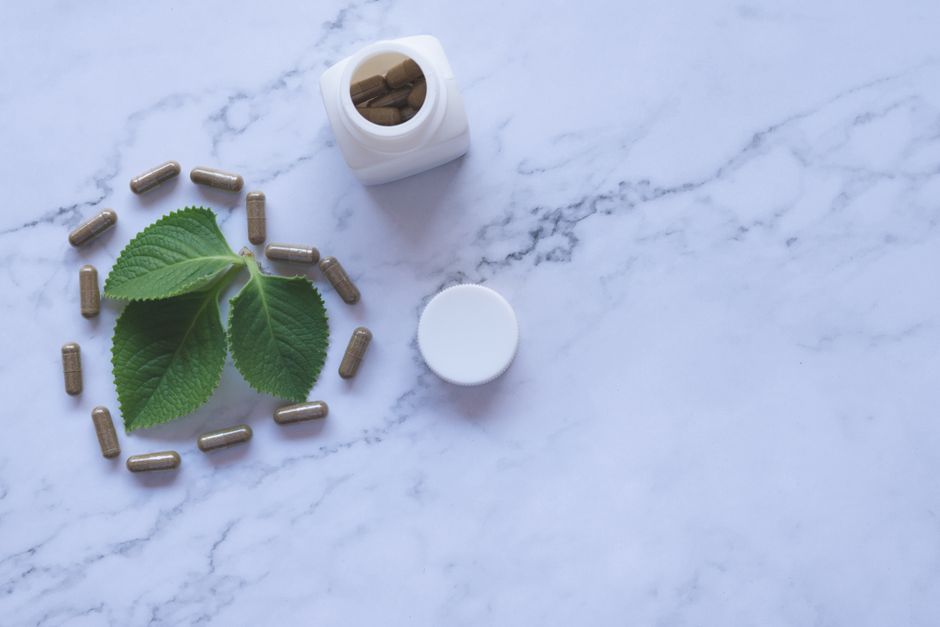
Tulsi tea is a herbal infusion made from the leaves of the Tulsi plant, also known as Holy Basil. It has been used for thousands of years in Ayurvedic medicine, a traditional system from India. People drink it for its earthy, slightly spicy flavor and for its reported health benefits, which range from stress relief to immune support.
What Is Tulsi Tea Made From?
Tulsi tea comes from the Ocimum sanctum or Ocimum tenuiflorum plant. It is a relative of the sweet basil you put in pasta sauce, but it is a different species. There are three main types of Tulsi used in tea: Rama Tulsi (green leaves), Krishna Tulsi (purple leaves), and Vana Tulsi (wild, green leaves). Most commercial blends use a mix of these.
The leaves are harvested and dried. You can buy them as loose leaves or in tea bags. Sometimes the stems and flowers are included too. The taste is often described as peppery, minty, and a bit like cloves. It does not contain caffeine, which makes it a popular choice for evening drinks.
What Does Research on Tulsi Tea Show?
Research on Tulsi is promising but not as strong as some claims suggest. Most studies have been done in test tubes or on animals. Human studies exist, but they are often small.
The National Center for Complementary and Integrative Health (NCCIH) notes that Holy Basil has shown some effects in lab studies, but evidence for specific health benefits in humans is limited. A 2014 review published in the Journal of Ayurveda and Integrative Medicine looked at multiple studies and found that Tulsi has antioxidant, anti-inflammatory, and anti-stress properties. The review was thorough, but many of the studies it included were small or not well controlled.
Some studies suggest that compounds in Tulsi, like eugenol and ocimumosides, can help the body adapt to stress. This is where the term “adaptogen” comes from. Adaptogens are substances that are thought to help the body handle physical and mental stress. The evidence for adaptogens in general is debated, but Tulsi is one of the more studied ones.
Does Tulsi Tea Actually Reduce Stress?
This is the most common claim, and it has the most human research behind it. A 2019 randomized controlled trial published in Nutrients gave healthy adults either Tulsi extract or a placebo for six weeks. The group taking Tulsi reported lower stress levels, better sleep, and less fatigue compared to the placebo group. The study was small—only 60 people—but it was a real clinical trial.
Another study from 2017 in the Journal of Ayurveda and Integrative Medicine looked at people with generalized anxiety disorder. Participants took 500 mg of Tulsi extract twice a day for 60 days. Their anxiety scores dropped significantly. However, this study did not compare Tulsi against a standard anxiety medication, so we do not know if it works better than drugs like SSRIs.
The mechanism is not fully understood. Some researchers think compounds in Tulsi lower cortisol, the stress hormone. Others think it affects GABA receptors in the brain, similar to how some anti-anxiety medications work. Both ideas have some evidence, but neither is proven.





What Are the Other Reported Benefits of Tulsi Tea?
Beyond stress, Tulsi is often promoted for immune support, blood sugar control, and inflammation. Here is what the evidence actually says:
- Immune support: Lab studies show Tulsi has antibacterial and antiviral properties. One study found that Tulsi extract could kill certain bacteria in a petri dish. But killing bacteria in a dish is very different from preventing infection in a human body. There is no strong evidence that drinking Tulsi tea prevents colds or flu.
- Blood sugar: A small human study from 2017 gave people with type 2 diabetes either Tulsi extract or a placebo for three months. The Tulsi group had lower fasting blood sugar and less post-meal spikes. The study had only 40 participants and did not control for diet changes. More research is needed.
- Inflammation: Tulsi contains eugenol, a compound known to reduce inflammation in lab studies. Some animal studies show it reduces swelling. Human studies are lacking.
It is important to be honest here: most of the hype around Tulsi is based on lab work and tradition, not large human trials. That does not mean it is useless. It means we should not treat it as a cure for anything serious.
What Are the Side Effects and Risks of Tulsi Tea?
Tulsi tea is generally safe for most people when drunk in moderate amounts. One to three cups per day is typical. Side effects are rare but can include mild nausea or upset stomach.
There are some important cautions. Tulsi can lower blood sugar. If you take diabetes medication, drinking large amounts of Tulsi tea could cause your blood sugar to drop too low. Monitor your levels if you try it.
Tulsi may also lower blood pressure. If you take blood pressure medication, check with your doctor before making Tulsi tea a daily habit. The same goes for people on blood thinners like warfarin. Tulsi contains vitamin K, which can interfere with how warfarin works.
Pregnant women should be cautious. Traditional Ayurvedic texts advise against using Tulsi during pregnancy because it may stimulate the uterus. There is no strong modern evidence for this risk, but it is better to be safe. Talk to your doctor first.
How Does Tulsi Tea Compare to Other Herbal Teas?
A quick comparison can help you decide if Tulsi is right for you.
| Tea Type | Primary Claim | Evidence Level | Caffeine |
|---|---|---|---|
| Tulsi (Holy Basil) | Stress reduction, adaptogen | Moderate for stress; weak for other claims | No |
| Chamomile | Sleep, anxiety relief | Moderate for sleep quality | No |
| Green Tea | Antioxidants, heart health | Strong for general health | Yes |
| Peppermint | Digestion, headache relief | Moderate for digestion | No |
| Ginger | Nausea, inflammation | Strong for nausea | No |
Tulsi stands out mainly for its stress-related claims. If you are looking for something to help you wind down without caffeine, it is a reasonable choice. But if you want something with more solid evidence for sleep, chamomile has better data. For general health, green tea has the most research behind it.
How to Choose and Prepare Tulsi Tea
Quality matters. Look for organic Tulsi tea to avoid pesticides. The plant is known to absorb contaminants from soil. Brands like Organic India and Traditional Medicinals are widely available and well-regarded.
To make the tea, use one teaspoon of dried leaves or one tea bag per cup. Pour boiling water over the leaves and steep for 5 to 10 minutes. The longer you steep, the stronger the flavor and the more compounds you extract. Some people add honey or lemon, but the tea is flavorful on its own.
You can also buy fresh Tulsi leaves if you have access to them. Steep about 10 to 15 leaves per cup. Fresh leaves produce a brighter, more aromatic tea.
Frequently Asked Questions
Is Tulsi tea safe to drink every day?
Yes, for most people. One to three cups per day is considered safe. If you take medication for diabetes, blood pressure, or blood thinning, check with your doctor first.
Does Tulsi tea have caffeine?
No. Tulsi tea is naturally caffeine-free. It is made from the leaves of the Holy Basil plant, which does not contain caffeine.
Can Tulsi tea help with anxiety?
Some studies suggest it may help reduce stress and anxiety symptoms. The evidence is moderate. It is not a replacement for medical treatment but may be a helpful addition.
What does Tulsi tea taste like?
It has an earthy, slightly spicy flavor with notes of mint and clove. The taste is strong but not bitter. Many people find it pleasant on its own.
