
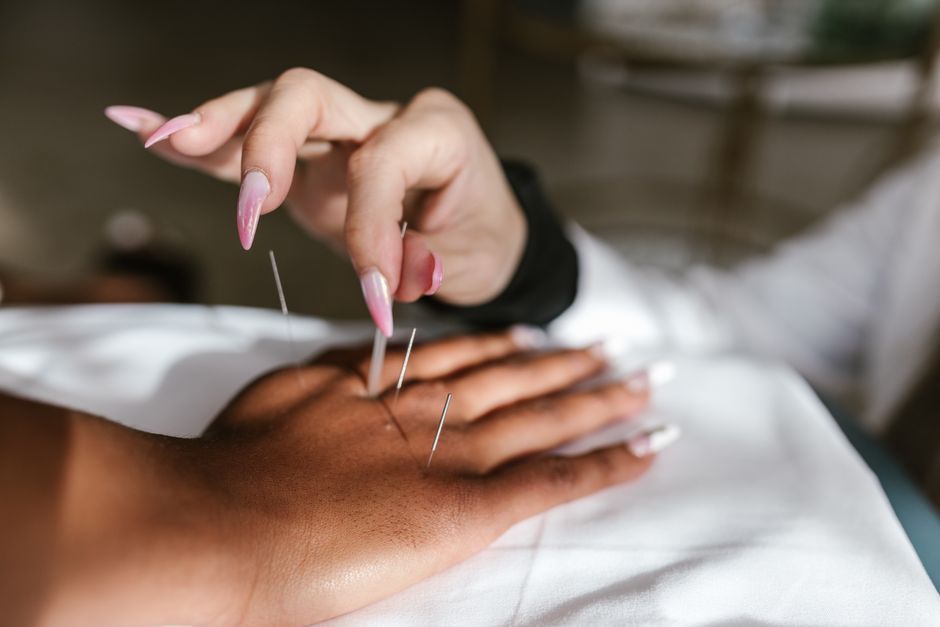
Trigger point dry needling is a treatment where a thin, solid needle is inserted into a muscle to release a tight band or knot, often called a trigger point. It is generally considered safe when performed by a trained and licensed practitioner, but it is not without risks. The most common side effects are mild soreness and minor bruising, while serious complications are rare but possible.
How Does Dry Needling Work?
Dry needling targets what clinicians call myofascial trigger points. These are hyperirritable spots in a muscle that feel like tight knots. They can cause local pain, referred pain in another part of the body, and reduced range of motion.
The needle is “dry” because it does not inject anything. When the needle enters the trigger point, it often causes a brief muscle twitch. This twitch response is considered a sign that the needle hit the right spot. The twitch is followed by a relaxation of that muscle band, which can reduce pain and improve movement.
Researchers do not fully agree on why this works. Some evidence suggests the needle stimulates local nerve fibers, which may change how the brain and spinal cord process pain signals. Other research points to increased blood flow in the area or a local healing response from the tiny injury the needle creates.
It is important to understand that dry needling is not the same as acupuncture. Acupuncture is rooted in traditional Chinese medicine and focuses on energy pathways called meridians. Dry needling is based on Western anatomy and physiology. The needles are similar, but the reasoning and target points are different.
What Conditions Is It Used For?
Dry needling is most commonly used for musculoskeletal pain. Physical therapists, chiropractors, and some medical doctors use it to treat conditions like neck pain, back pain, shoulder pain, and tension headaches.
It is also used for conditions involving muscle tightness and restricted movement, such as:
- Plantar fasciitis
- Tennis elbow
- Knee pain
- Hip pain
- Myofascial pain syndrome
Some practitioners use it for chronic pain conditions like fibromyalgia, but the evidence there is less clear. The strongest research support exists for short-term pain relief in people with muscle-related pain.
Clinical trials consistently show that dry needling can reduce pain and improve function in the short term. The longer-term benefits are less certain. Some studies show improvements lasting weeks to months, while others show that the effect fades without continued treatment or additional therapies like exercise.
What Does a Treatment Session Look Like?
A typical session lasts 20 to 30 minutes. You lie down or sit in a position that exposes the muscle being treated. The practitioner locates the trigger point by feeling the muscle. Then they insert the needle through the skin and into the muscle.
You may feel a small pinch as the needle enters the skin. When the needle reaches the trigger point, you may feel a dull ache or a brief twitch. This twitch can feel surprising but usually lasts only a second.
The number of needles and sessions varies. Some people feel relief after one session. Others need several sessions over a few weeks. The treatment plan depends on your condition, how long you have had it, and how your body responds.
Most practitioners combine dry needling with other treatments. Stretching, strengthening exercises, and manual therapy are often used alongside it. Dry needling is rarely a standalone cure.





Is Dry Needling Safe?
When performed by a trained professional, dry needling has a good safety record. The most common side effects are mild and short-lived. You may feel sore in the treated muscle for a day or two. Bruising at the needle site is also common. Some people feel tired or slightly dizzy after a session.
Serious complications are rare but real. The most concerning risks include:
- Pneumothorax, or a collapsed lung, if the needle enters the chest cavity
- Nerve injury if the needle hits a nerve directly
- Infection if the skin is not properly cleaned or the needle is not sterile
- Bleeding, especially in people taking blood thinners
These complications are uncommon, but they have been reported in the medical literature. The risk increases when the needle is used near the chest, neck, or ribcage, or when the practitioner lacks adequate training.
There are situations where dry needling should be avoided. Practitioners typically do not needle directly over an area with an active infection, a tumor, or a recent injury. They also exercise caution with pregnant women, people with bleeding disorders, and people taking anticoagulant medications. If you have any of these conditions, discuss them with your practitioner before starting.
What Are the Qualifications of a Practitioner?
Dry needling is not regulated in the same way across all states or countries. This means training standards vary. In the United States, physical therapists, chiropractors, and medical doctors may all offer dry needling, but their required training differs by state.
A competent practitioner should have completed a formal certification course in dry needling. These courses typically include both classroom instruction and supervised hands-on practice. The training covers anatomy, needle technique, safety, and how to handle complications.
Before your first session, ask about the practitioner’s training and experience. Ask how many dry needling sessions they have performed and whether they have dealt with complications. A qualified practitioner will answer these questions directly and honestly.
You should also ask about the needles. They should be single-use, sterile, and disposed of after each session. There is no excuse for reusing needles.
Does Dry Needling Hurt?
Most people describe the needle insertion as a quick pinch. The sensation when the needle hits a trigger point is different. It feels like a deep ache or a cramp. That sensation usually fades within seconds.
After the session, the treated muscle may feel sore. This soreness is similar to the feeling after a hard workout. It typically peaks within 24 hours and resolves within a few days.
People who are anxious about needles may find dry needling difficult. If you have a strong fear of needles, talk to your practitioner. They can explain the process in detail and work with you to make it more comfortable. You can also ask to stop at any time during the session.
What Does the Research Say About Effectiveness?
The evidence for dry needling is strongest for short-term pain relief. A number of systematic reviews have found that dry needling reduces pain in conditions like neck pain, shoulder pain, and low back pain compared to no treatment or sham treatment.
However, the quality of the research varies. Some studies are well-designed and controlled. Others are small or have methodological flaws. This makes it hard to draw firm conclusions about how effective dry needling is compared to other treatments like massage, stretching, or exercise.
One important limitation is that sham dry needling is difficult to design. In a sham treatment, the researcher uses a needle that does not penetrate the skin. But even this can produce a physiological response, which makes it harder to isolate the specific effect of the needle entering the muscle.
Some research suggests that dry needling works about as well as other active treatments for short-term pain relief. The evidence does not clearly show that dry needling is superior to other approaches. It is one tool among many, not a magic fix.
What Are the Alternatives to Dry Needling?
If you are not comfortable with needles, there are other options for muscle pain. Manual therapies like massage, myofascial release, and instrument-assisted soft tissue mobilization target similar problems.
Exercise is another strong option. Stretching, strengthening, and movement-based therapies like yoga or Pilates can address muscle tightness and pain. Research consistently shows that exercise is effective for many musculoskeletal conditions, and it has the added benefit of improving overall function.
Other options include heat therapy, cold therapy, and over-the-counter pain relievers. These do not address the underlying trigger point directly, but they can help manage symptoms.
Your practitioner should help you decide which approach fits your situation. A good treatment plan often combines several methods. For example, dry needling may provide short-term relief that makes it easier to do the exercises that provide longer-term benefit.
Who Should Avoid Dry Needling?
Certain people should not receive dry needling without careful consideration. If you are pregnant, especially in the first trimester, some practitioners avoid needling certain areas of the body. There is limited research on dry needling during pregnancy, so caution is warranted.
People with bleeding disorders or those taking blood thinners have a higher risk of bleeding complications. Your practitioner may still treat you, but they will use extra caution or avoid needling areas with large blood vessels.
If you have a compromised immune system, an active infection, or a history of allergic reactions to metals, discuss these with your practitioner before starting. The needles are typically made of stainless steel, which contains nickel. Nickel allergies are rare but possible.
If you are unsure whether dry needling is right for you, ask your primary care doctor for their opinion. They can review your medical history and help you weigh the potential benefits against the risks.
Frequently Asked Questions
How long do the effects of dry needling last?
Effects vary by person and condition. Some people feel relief for days or weeks, while others need repeated sessions to maintain the benefit.
Can dry needling make pain worse?
Yes, temporary soreness is common after treatment. This usually resolves within a few days, but a small number of people report increased pain that lasts longer.
Is dry needling the same as acupuncture?
No. Acupuncture is based on traditional Chinese medicine and energy pathways, while dry needling targets specific muscles and trigger points based on Western anatomy.
How many dry needling sessions will I need?
There is no fixed number. Your practitioner will assess your response after each session and adjust the plan, often recommending 2 to 6 sessions for a typical course of treatment.
