
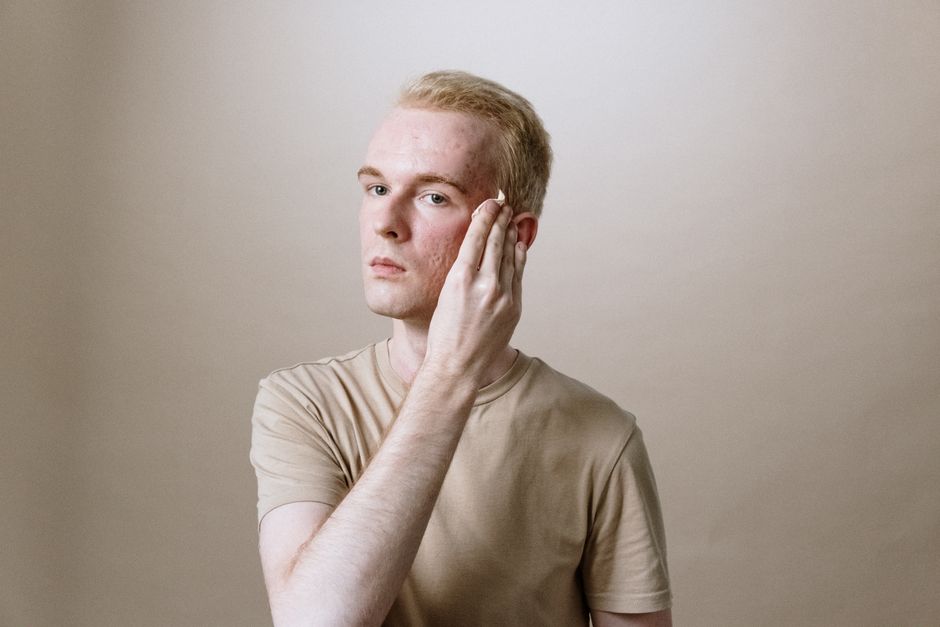
Tretinoin gel is a prescription form of vitamin A that dermatologists use mainly for two things: treating acne and improving the appearance of fine lines and wrinkles. It works by speeding up how fast skin cells turn over and by helping keep pores from clogging. It is not a cosmetic product you can buy off the shelf — it requires a doctor’s prescription in the United States.
What Is Tretinoin Gel Used For Acne, Wrinkles, and More?
Tretinoin belongs to a class of drugs called retinoids. Retinoids are related to vitamin A, and they change how skin cells grow, mature, and shed. That single mechanism explains almost everything tretinoin does.
For acne, tretinoin helps prevent the formation of the plug that starts a pimple. Acne begins when dead skin cells and oil block a hair follicle. Tretinoin loosens those cells so they don’t stick together and clog the pore. It also helps existing acne lesions clear. Because it works on the underlying process rather than just killing bacteria, it addresses both blackheads and whiteheads as well as inflamed pimples.
For wrinkles, tretinoin is one of the few topical ingredients with strong evidence behind it. It can improve the appearance of fine lines and uneven texture over time. It does this partly by stimulating collagen production and partly by increasing skin cell turnover, which thickens the outer layer of skin and can soften the look of fine lines.
Tretinoin is also used for some other skin conditions, including certain types of hyperpigmentation and a rare disorder of the skin’s outer layer. But acne and photoaging — the changes caused by sun exposure — are the two main uses.
How Does Tretinoin Gel Differ From Other Retinoids?
Tretinoin is the active drug. Other retinoids are either different molecules or different formulations of the same idea. The differences matter because they affect how well a product works and how much it irritates the skin.
There are two important distinctions. First, prescription versus over-the-counter. Tretinoin is prescription-only. Adapalene, another retinoid, was once prescription-only for acne and is now available over the counter in some formulations. Retinol, which you see in many cosmetics, is a weaker, over-the-counter precursor that the skin must convert into retinoic acid — the active form. That conversion is inefficient, which is part of why retinol tends to be gentler and less potent than tretinoin.
Second, the gel versus cream distinction. Tretinoin comes as a gel, a cream, and a liquid. Gels are usually alcohol-based and dry quickly. They tend to suit oily or acne-prone skin. Creams are often less drying and may suit people with drier or more sensitive skin. Neither form is inherently stronger — the concentration and how your skin responds matter more.
One clarification worth making: many people assume a higher percentage always works better. In practice, higher concentrations of tretinoin can irritate the skin more, and irritation can make people stop using it. Some dermatologists start patients on a lower strength and increase it slowly. The best concentration is the one you can tolerate consistently.
How Do You Use Tretinoin Gel Correctly?
Tretinoin is applied to the skin, not swallowed. The general approach is a thin layer on clean, dry skin, usually at night, because tretinoin can make skin more sensitive to sunlight.
Several practical points are well established:
- Use a pea-sized amount for the whole face for acne. More is not better and often causes irritation.
- Apply to dry skin. Moist skin can increase irritation.
- Start slowly — often every other night or a few nights a week — and build up as your skin adjusts.
- Use sunscreen every day. Tretinoin makes skin more vulnerable to sunburn.
- Avoid other irritating products, like strong scrubs or some acne treatments, especially when starting.
Your skin may get worse before it gets better. A temporary period of peeling, redness, and more breakouts is common in the first weeks. This is sometimes called the “retinization” period. It usually settles, but it can take several weeks to a few months. If irritation is severe or doesn’t improve, that’s a reason to talk to your prescriber rather than push through.
Results take time. Acne improvement often takes several weeks to a few months. Wrinkle improvement generally takes longer — months of consistent use. Stopping and starting, or using it only occasionally, tends to produce little benefit.





What Are the Side Effects and Risks of Tretinoin Gel?
The most common side effects are skin irritation: redness, dryness, peeling, stinging, and sensitivity to sunlight. These are usually manageable by adjusting how often you apply it and how much you use.
There is an important safety point about pregnancy. Tretinoin is a vitamin A derivative, and oral retinoids are known to cause serious birth defects. For topical tretinoin, the evidence is less clear, but because of the theoretical risk, many clinicians advise against using it during pregnancy or while trying to conceive. If you are pregnant, breastfeeding, or planning a pregnancy, talk to your doctor before using tretinoin. Do not rely on this article for that decision.
There is also a rare but real concern about increased sun sensitivity and, with cumulative sun exposure, skin cancer risk. This is why daily sunscreen is not optional with tretinoin — it’s part of using the drug safely.
Tretinoin can interact with other topical products. Benzoyl peroxide, some acids, and certain other acne treatments can increase irritation when combined. Your prescriber can help you sequence products.
Does Tretinoin Really Work for Wrinkles?
The evidence for tretinoin and photoaging is stronger than for most anti-aging ingredients. Research has found that topical tretinoin can improve fine wrinkles, skin texture, and some discoloration related to sun damage. This is why it is considered a standard treatment in dermatology for photoaged skin.
That said, “works” needs context. Tretinoin can soften fine lines and improve skin texture. It does not erase deep wrinkles, restore lost volume, or reverse sun damage completely. It is not a substitute for procedures like lasers or fillers for more significant concerns. And results depend on consistent, long-term use — often months, not weeks.
It also works best alongside sun protection. If you use tretinoin but keep exposing your skin to the sun without protection, you are working against yourself.
How Does Tretinoin Compare to Other Acne and Anti-Aging Treatments?
Tretinoin is not the only option, and it is not always the right one. Here is how it fits with common alternatives.
| Treatment | Main use | Prescription needed? | Key notes |
|---|---|---|---|
| Tretinoin gel | Acne, fine wrinkles, photoaging | Yes | Strong evidence; can irritate; sun sensitivity |
| Adapalene | Acne | Some forms OTC | Often better tolerated; less evidence for wrinkles |
| Retinol | Anti-aging cosmetics | No | Weaker; must convert to active form |
| Benzoyl peroxide | Acne | No | Kills bacteria; does not address clogged pores the same way |
| Salicylic acid | Acne | No | Helps unclog pores; gentler than tretinoin for some |
For acne, tretinoin is often used with other treatments like benzoyl peroxide or oral antibiotics, depending on severity. For wrinkles, tretinoin is one of the most studied topical options, but it is not the only one, and it is not right for everyone.
Who Should Not Use Tretinoin Gel?
People who are pregnant or planning pregnancy should generally avoid it, as noted above. People with certain skin conditions, or those using other irritating products, may need to adjust or avoid it.
If you have sensitive skin, eczema, or rosacea, tretinoin may be too irritating. A doctor can help you decide whether a gentler retinoid or a different approach is better.
Anyone with a history of skin cancer or significant sun damage should discuss tretinoin with a dermatologist, since sun sensitivity is a real consideration.
Frequently Asked Questions
What is tretinoin gel used for?
It is a prescription retinoid used mainly to treat acne and to improve the appearance of fine wrinkles and sun-damaged skin. It works by speeding up skin cell turnover and helping prevent clogged pores.
How long does tretinoin take to work for wrinkles?
Wrinkle improvement usually takes several months of consistent use, and results vary from person to person. Acne improvement often appears sooner, within several weeks to a few months.
Can I use tretinoin gel if I’m pregnant?
Most clinicians advise against using tretinoin during pregnancy or while trying to conceive because of a theoretical risk of birth defects. Talk to your doctor before using it if you are pregnant, breastfeeding, or planning a pregnancy.
Is tretinoin the same as retinol?
No. Tretinoin is the active form of the drug and is prescription-only, while retinol is a weaker over-the-counter ingredient that skin must convert into the active form. Tretinoin is generally more potent and more irritating.
