
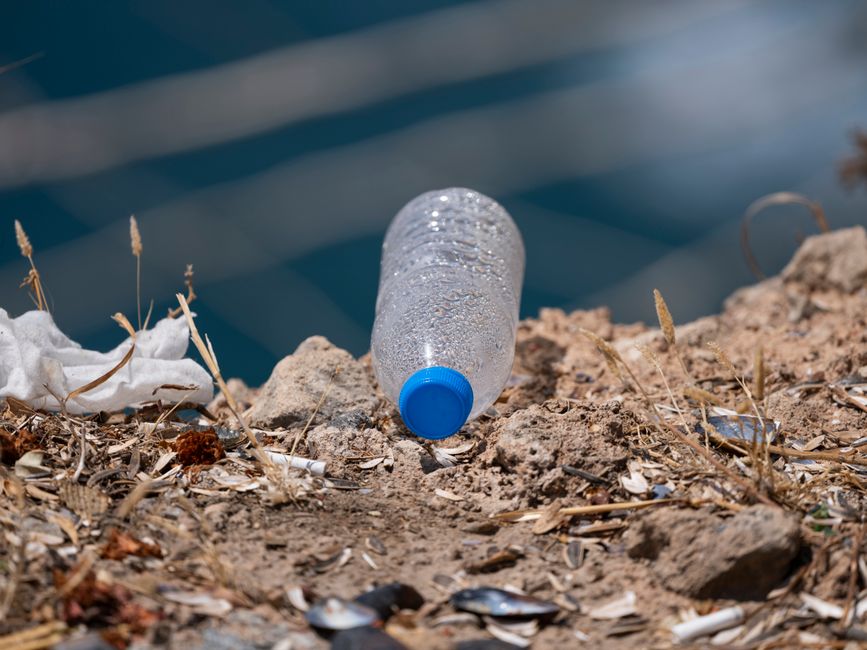
Trash pollution is the accumulation of discarded human-made materials — plastic, paper, metal, glass, textiles, and electronic waste — in places where they do not belong. It affects land, water, and air, and it carries measurable risks for wildlife, human health, and local economies. The causes are mostly familiar: too much waste generated, inadequate collection systems, and materials that do not break down.
What Is Trash Pollution Causes Risks And Impacts?
Trash pollution happens when waste ends up in the environment instead of being properly collected, recycled, or contained. The causes are a mix of scale and systems. The world generates billions of tons of municipal solid waste each year, and the World Bank has projected that figure will grow substantially by 2050 as populations and consumption rise.
Three forces drive most of it:
- Volume — modern economies produce far more disposable material than earlier generations did.
- Collection gaps — many regions lack reliable waste pickup, so trash is burned, buried, or dumped.
- Material persistence — plastic, glass, and many synthetic items resist breakdown for decades or longer.
Once trash escapes management systems, it moves. Wind and rain carry lightweight items into storm drains, rivers, and eventually oceans. An estimated several million metric tons of plastic enter the marine environment each year, according to research published in the journal Science. That number is an estimate with real uncertainty attached — scientists still debate the exact figure — but the direction is not in question.
Where Does Most Trash Pollution Come From?
Household waste is the largest single source by volume, but it is not the only one. Construction debris, industrial scrap, agricultural plastic, and electronic waste all contribute. What they share is a failure at the point of disposal or a lack of infrastructure to handle the material safely.
Geography matters. In many low- and middle-income countries, waste collection rates are far lower than in wealthier nations, so a larger share of trash ends up in open dumps or waterways. In high-income countries, collection is generally reliable, but the sheer volume of packaging and single-use items still creates problems — especially when recycling systems cannot keep pace with what is thrown away.
One clarification worth making: littering is not the whole story. Most mismanaged waste comes from systemic gaps — overflowing bins, illegal dumping, and inadequate landfills — not from individual carelessness alone. That distinction matters because it shapes what actually reduces the problem.
What Are the Main Risks of Trash Pollution to Human Health?
The health risks are real but often indirect. The clearest pathways involve water, air, and vectors like insects and rodents.
Open dumps and uncollected waste create standing water and food sources that support mosquitoes and rats, which can carry disease. Burning trash — common where collection is absent — releases fine particulate matter, dioxins, and other pollutants linked to respiratory and cardiovascular problems. The World Health Organization has identified air pollution, including from waste burning, as a major contributor to global disease burden.
Water contamination is another pathway. When trash decomposes, it can leach chemicals and heavy metals into groundwater and surface water. Plastics in particular can shed microplastics, which have now been detected in drinking water, food, and human tissue. What this means for long-term health is not yet fully understood. Researchers have found microplastics in human blood and organs, but the clinical consequences remain an active area of study rather than a settled finding.
It is worth being honest here: the direct human health effects of microplastic exposure are not well established. The evidence for harm from burning waste and contaminated water is stronger. The evidence on microplastics is emerging, and no one should claim certainty either way.





How Does Trash Pollution Affect Wildlife and Ecosystems?
The impacts on animals are well documented and often severe. Marine mammals, seabirds, fish, and turtles can become entangled in plastic debris or mistake it for food. Once ingested, plastic can block digestive tracts, reduce feeding, and lead to starvation. Research has documented plastic ingestion across hundreds of species.
Beyond entanglement and ingestion, trash alters habitats. Plastic debris can smother coral, transport invasive species across oceans, and concentrate pollutants on its surface. In freshwater systems, the effects are similar though less studied.
The scale is significant. Plastic makes up a large share of marine litter, and because it fragments rather than disappears, it persists as microplastics and nanoplastics that enter food webs at every level. Removing it once it is in the ocean is difficult and expensive, which is why most experts focus on stopping it at the source.
What Are the Economic and Social Impacts?
Trash pollution carries direct costs. Governments spend money on cleanup, waste management, and health care linked to pollution. Tourism suffers when beaches and landscapes are littered. Fisheries and shipping face damage from debris. These costs are difficult to total precisely, but they are substantial and fall hardest on communities with the fewest resources to manage them.
There is also an equity dimension. Low-income neighborhoods and regions often host landfills, incinerators, and dumps, and they bear a disproportionate share of the associated health and environmental burdens. This pattern has been documented in environmental justice research across multiple countries.
Socially, persistent trash in public spaces affects how people feel about where they live. It can reduce property values and discourage investment. These effects are harder to quantify than cleanup costs but they are real.
What Actually Reduces Trash Pollution?
The most effective approaches target the whole system, not just the end of the pipe. Reducing how much waste is generated in the first place is the most direct lever. That means less unnecessary packaging, more durable goods, and products designed to be repaired rather than replaced.
Better collection and disposal infrastructure is essential, especially in regions where waste is currently mismanaged. Improving landfill standards, expanding safe recycling, and stopping open burning all reduce harm. Recycling helps, but its limits are real — not all materials can be recycled economically, and recycling rates for plastic remain low globally.
Cleanup efforts matter for existing pollution, particularly in waterways and coastal areas. But cleanup alone cannot keep pace with the rate at which trash enters the environment. The consensus among researchers is that source reduction and better waste management do more than cleanup after the fact.
What individuals can do — using less single-use plastic, disposing of waste properly, supporting better local infrastructure — contributes, but it is not a substitute for systemic change. Both matter.
Is Trash Pollution Getting Better or Worse?
It is getting worse by most measures. Global waste generation is rising, and plastic production continues to increase. Without major changes in how waste is managed, projections suggest the amount of mismanaged waste will grow in the coming decades.
There are pockets of progress. Some countries have improved collection rates, banned certain single-use plastics, or invested in better recycling. International negotiations on a global plastics treaty have been ongoing, though agreement has been difficult. These efforts show that change is possible, but the overall trend has not yet reversed.
The honest position is that the problem is growing faster than current solutions are scaling. That is not a reason for despair — it is a reason to focus on what the evidence shows works: reducing waste at the source and building systems that can handle what remains.
Frequently Asked Questions
What is the main cause of trash pollution?
The main cause is a combination of high waste generation and inadequate collection or disposal systems. When infrastructure cannot keep up with the volume of trash produced, waste ends up in the environment.
How does trash pollution affect human health?
It affects health mainly through contaminated water, air pollution from burning waste, and disease-carrying pests like mosquitoes and rats. The long-term effects of microplastic exposure are still being studied and are not yet fully understood.
Does recycling solve trash pollution?
Recycling helps but does not solve the problem on its own. Many materials cannot be recycled economically, and global recycling rates — especially for plastic — remain low compared to the amount of waste generated.
Is trash pollution getting worse?
Yes, by most measures. Global waste generation is rising, and projections suggest mismanaged waste will continue to grow without major changes to how waste is managed.
