
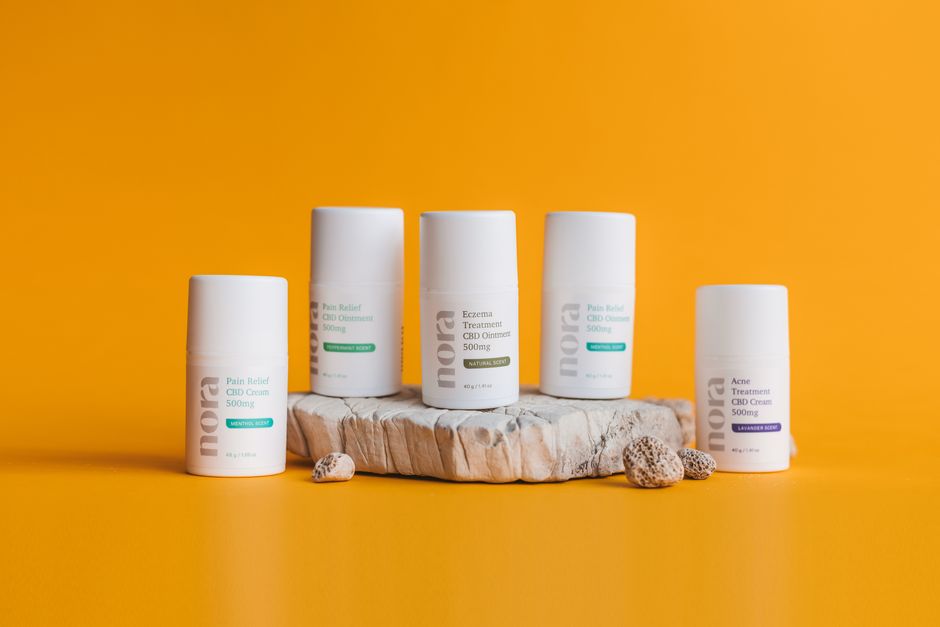
Topical creams are medications or treatments you apply directly to your skin. They work at the site of application rather than traveling through your whole body. People use them for many reasons, including pain relief, skin conditions, and cosmetic concerns. The right cream depends entirely on what condition you are treating and what active ingredients are involved.
What Is Topical Cream Used For Pain Skin More?
Topical creams treat a wide range of conditions. For pain, they target sore muscles, joints, and nerve discomfort. For skin, they manage conditions like eczema, psoriasis, acne, and fungal infections. Some creams also address cosmetic issues like aging, dryness, or hyperpigmentation.
The key difference between topical products and oral medications is how they work. A cream delivers medicine through the skin layers to the tissue directly beneath. This means less of the drug enters your bloodstream, which often reduces side effects compared to taking a pill.
How Do Pain Relief Creams Actually Work?
Pain creams use different mechanisms depending on their active ingredients. Some block pain signals at the nerve endings in your skin. Others reduce inflammation in the tissues below the skin surface.
NSAID creams like diclofenac work by reducing inflammation. They are commonly used for arthritis pain in knees and hands. Research shows these creams can be as effective as oral NSAIDs for localized joint pain, with fewer stomach problems.
Counterirritants like menthol, camphor, and methyl salicylate create a cooling or warming sensation. This sensation distracts your brain from the pain signals coming from deeper tissues. They work quickly but the relief is temporary.
Capsaicin cream comes from chili peppers. It works by depleting a chemical called substance P, which transmits pain signals. Regular use over several weeks can reduce nerve pain, but it may cause burning or stinging when first applied.
Lidocaine is a numbing agent. It blocks sodium channels in nerve cells, preventing pain signals from reaching your brain. It is effective for localized pain like post-shingles nerve pain or minor burns.
What Skin Conditions Are Treated With Topical Creams?
Topical creams are the first-line treatment for many common skin conditions. The active ingredient must match the underlying problem.
Corticosteroid creams reduce inflammation and are used for eczema, dermatitis, and allergic reactions. They work by suppressing the immune response in the skin. These come in different strengths, from mild over-the-counter hydrocortisone to stronger prescription versions.
Antifungal creams treat infections caused by fungi, such as athlete’s foot, ringworm, and jock itch. Common ingredients include clotrimazole, miconazole, and terbinafine. These creams need to be applied consistently for one to four weeks, even after symptoms improve.
Antibiotic creams treat bacterial skin infections. They are used for minor cuts, scrapes, and impetigo. Bacitracin and mupirocin are common examples. Overuse of antibiotic creams can contribute to bacterial resistance, so they should only be used when an infection is present.
Retinoid creams treat acne and signs of aging. They work by increasing skin cell turnover and stimulating collagen production. Tretinoin and adapalene are prescription options, while retinol is available over the counter in lower strengths.




What About Moisturizers and Barrier Creams?
Moisturizers are technically topical creams, but they work differently from medicated ones. They restore the skin barrier and trap water in the outer skin layers. This is important because a damaged skin barrier allows irritants in and lets moisture escape.
Key ingredients in moisturizers include humectants like glycerin and hyaluronic acid, which draw water into the skin. Occlusives like petrolatum and shea butter form a physical barrier to prevent water loss. Emollients like ceramides fill in gaps between skin cells.
For conditions like eczema, regular moisturizing is as important as medicated treatment. Some research suggests that consistent moisturizer use can reduce flare-ups and the need for steroid creams.
Are Topical Creams Safe for Everyone?
Topical creams are generally safe when used as directed, but they are not risk-free. The skin is not a completely impermeable barrier. Some ingredients do absorb into the bloodstream, especially when applied to thin skin, broken skin, or large areas of the body.
Pregnancy and breastfeeding require extra caution. Some topical ingredients are considered safe, while others should be avoided. No clinical guidelines currently exist for every topical ingredient in pregnancy. Always check with a doctor or pharmacist before using any medicated cream while pregnant or nursing.
Children have thinner skin and a larger surface area relative to their body weight. This means they absorb more of a topical medication. Steroid creams in particular can cause side effects in children if used too often or in high strengths.
Older adults also have thinner skin, which increases absorption. They may need lower strengths or shorter courses of treatment.
How Should You Apply Topical Creams Correctly?
How you apply a cream affects how well it works. Most medicated creams work best on clean, dry skin. Wash the area gently and pat it dry before applying.
Use the right amount. For most creams, a thin layer is sufficient. The fingertip unit is a practical measure: one fingertip unit is the amount of cream squeezed from the tube along the length of your index finger. This covers an area about the size of two adult palms.
Do not mix creams unless a doctor tells you to. Some ingredients can interfere with each other. Applying a moisturizer and a steroid cream at the same time can dilute the steroid. Usually, you apply the moisturizer first, wait for it to absorb, then apply the medication.
Wash your hands after applying unless your hands are the treatment area. This prevents accidentally spreading the cream to your eyes, mouth, or other sensitive areas.
When Should You See a Doctor Instead?
Over-the-counter topical creams have limits. You should see a doctor if your condition does not improve after one to two weeks of consistent use. You should also seek medical advice if the area becomes increasingly painful, swollen, or starts oozing.
Some symptoms require immediate medical attention. These include a rash that spreads rapidly, blisters over a large area, signs of an allergic reaction like facial swelling or difficulty breathing, or a skin infection with fever.
If you have a chronic condition like psoriasis, severe eczema, or recurrent shingles, a doctor can prescribe stronger or more targeted treatments. Prescription creams often contain higher concentrations of active ingredients or different mechanisms of action than what is available over the counter.
Common Myths About Topical Creams
Several myths about topical creams persist despite evidence to the contrary.
Myth: Natural creams are always safer than synthetic ones. Natural ingredients can cause allergic reactions, interact with medications, and be just as potent as synthetic options. Poison ivy is natural. The source of an ingredient does not determine its safety.
Myth: More cream works better. Applying extra cream does not increase effectiveness. The skin can only absorb a limited amount. Excess cream simply sits on the surface or gets rubbed off on clothing.
Myth: If it burns, it is working. Some ingredients like capsaicin cause a warming or burning sensation that is expected. But most creams should not cause significant burning or stinging. If a product causes intense discomfort, wash it off and stop using it.
Myth: Steroid creams thin the skin permanently. Prolonged use of strong steroids can thin the skin, but this is usually reversible when the cream is stopped. The risk depends on the steroid strength, how long it is used, and where it is applied. Using the lowest effective strength for the shortest time is the safest approach.
How to Choose the Right Topical Cream
Choosing a topical cream starts with identifying the problem. Read the label to understand what the active ingredient treats. A pain cream will not help a fungal infection. An antifungal will not reduce arthritis pain.
Consider the vehicle. Creams are a balance of oil and water. Lotions have more water and are lighter. Ointments have more oil and are heavier. For dry, scaly conditions, an ointment often works better because it traps more moisture. For hairy areas or weeping skin, a cream or lotion is more practical.
Check the inactive ingredients. Some people are sensitive to preservatives, fragrances, or specific oils. If you have sensitive skin, look for products labeled fragrance-free. Fragrance-free is different from unscented, which may still contain masking fragrances.
When in doubt, ask a pharmacist. Pharmacists can help you match a product to your symptoms and flag potential interactions with medications you already take.
Frequently Asked Questions
Can I use pain cream and a skin cream at the same time?
You should not mix them in the same area unless a doctor approves. Apply them at different times, usually one in the morning and one at night, to avoid interaction.
How long does it take for a topical cream to work?
Pain creams with counterirritants work within minutes. Anti-inflammatory creams may take days of regular use. Skin condition creams like steroids can show improvement within days, while retinoids may take weeks to show visible results.
Are prescription topical creams stronger than over-the-counter ones?
Usually yes, but not always. Prescription creams often have higher concentrations of active ingredients or contain drugs not available without a prescription. A doctor selects a strength based on the condition severity, location, and your age.
Can topical creams cause side effects?
Yes, though they are generally milder than oral medication side effects. Common side effects include redness, stinging, dryness, or irritation at the application site. Strong steroid creams used long-term can thin the skin, and some ingredients absorb enough to cause systemic effects.
