
Air pollution is the worst pollution by health impact, and fine particulate matter (PM2.5) is the most damaging form of it. These microscopic particles are small enough to travel deep into the lungs and into the bloodstream. They are linked to heart disease, stroke, lung cancer, and early death, and they affect nearly everyone on the planet.
That ranking surprises some people. Plastic in the ocean gets more headlines. But when researchers measure how many deaths and illnesses a pollutant causes, the order becomes clear. Air pollution sits at the top by a wide margin, followed by household air pollution, lead, and then water and chemical contamination.
What Is The Worst Pollution The Top Threats Ranked?
Air pollution is the single largest environmental risk to human health. The World Health Organization has described it as one of the biggest environmental threats to health globally, and its estimates link outdoor and household air pollution together to millions of deaths each year.
Ranking pollutants is not as simple as it sounds. A substance that kills many people at low doses ranks differently from one that causes harm in a smaller group at high doses. Researchers weigh three things: how many people are exposed, how sick it makes them, and how severe the outcome is. By that measure, the order is fairly stable.
- Outdoor air pollution (PM2.5): The top threat worldwide. Linked to heart attacks, strokes, lung cancer, and respiratory disease.
- Household air pollution: Indoor smoke from cooking and heating with wood, coal, or dung. A major risk in low-income regions, especially for women and children.
- Lead: A potent neurotoxin with no safe blood level established in children. Affects brain development even at low exposure.
- Water and sanitation contamination: Unsafe water and poor sanitation spread diarrheal disease, which remains a leading cause of death in young children globally.
- Chemical and industrial pollution: Includes pesticides, solvents, and heavy metals like mercury and arsenic. Serious for exposed groups, but the total population affected is smaller.
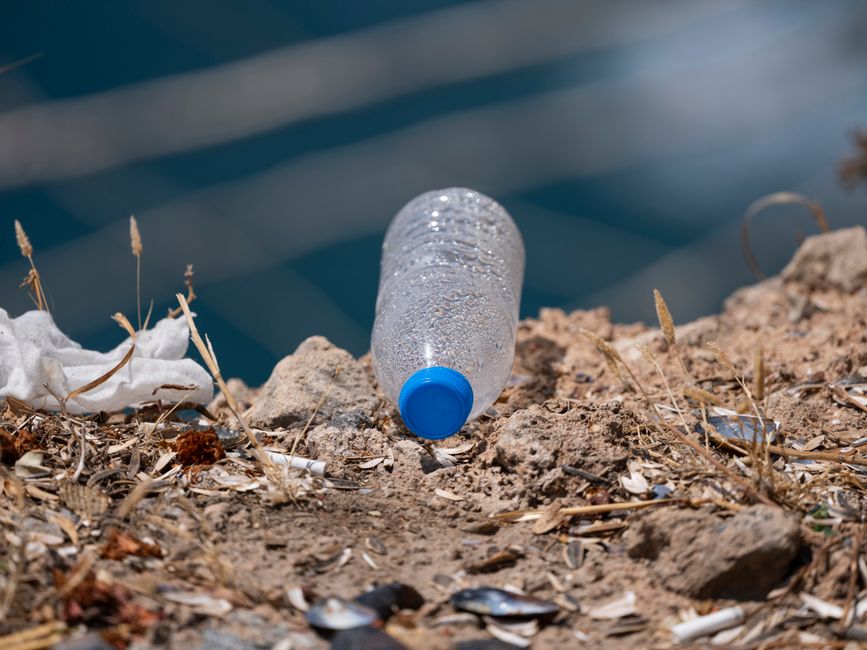
Plastic pollution is a real and growing problem, but its direct human health toll is harder to quantify than air pollution. Most of its documented harm comes through ecosystems and wildlife, with human exposure through microplastics still an active area of research. That does not make it unimportant. It makes it harder to rank with confidence.
Why Is Fine Particulate Matter So Dangerous?
PM2.5 particles are 2.5 micrometers or smaller. For scale, a human hair is roughly 70 micrometers wide, so these particles are many times thinner than a strand of hair. That size is what makes them dangerous.
When you breathe in larger particles, they get trapped in your nose and upper airways and are cleared out. PM2.5 goes much deeper. It reaches the alveoli, the tiny air sacs where oxygen passes into the blood. From there, some particles cross into the bloodstream.
Once in the body, these particles trigger inflammation and oxidative stress. Oxidative stress is a kind of chemical wear that damages cells. This process does not stay in the lungs. It affects blood vessels throughout the body, which helps explain why air pollution is tied so strongly to heart attacks and strokes, not just breathing problems.
Here is a point that often gets lost: the cardiovascular effects of air pollution may be more serious than the respiratory effects. Many people assume dirty air mainly causes asthma and coughs. The evidence points to the heart and blood vessels as a major target too.
How Does Household Air Pollution Compare?
Household air pollution causes harm on a scale that surprises people who have never cooked over an open fire. When families burn wood, crop waste, charcoal, or dung indoors for cooking and heating, the smoke fills living spaces. Without proper ventilation, indoor concentrations can be far higher than outdoor air in the same area.
The health effects mirror outdoor air pollution: respiratory infections, chronic lung disease, heart disease, and lung cancer. Women and young children often carry the heaviest exposure because they spend more time near the cooking area.
This is largely a problem of energy access. When communities gain cleaner fuels and better-ventilated stoves, exposure drops. The challenge is economic and logistical as much as medical.




Why Is Lead Ranked So High?
Lead is one of the most studied neurotoxins in existence. It damages the developing brain, and no blood lead level has been identified below which harm does not occur in children. That is a strong statement, and it reflects decades of research.
Lead exposure in children is linked to lower IQ, attention problems, and behavioral issues. In adults, it is associated with high blood pressure and kidney problems. The main sources historically were leaded gasoline and lead paint. Leaded gasoline was phased out in most countries, and the US banned lead-based paint for residential use in 1978.
Lead still lurks in older housing, some water pipes, and certain imported products. This is why lead ranks high despite major progress. The harm is well documented, and even low-level exposure matters for children.
How Do Water and Sanitation Rank?
Unsafe water, poor sanitation, and lack of hygiene spread diseases that kill, particularly among young children. Diarrheal disease remains a leading cause of death in children under five worldwide, and contaminated water is a major driver.
The ranking of water pollution depends heavily on where you live. In regions with treated water and modern sanitation, the burden is small. In regions without them, it is enormous. This geographic split is why global rankings can look different from local ones.
Where Do Chemical Pollutants Fit In?
Industrial chemicals, pesticides, and heavy metals like mercury and arsenic cause serious harm to exposed populations. Arsenic in drinking water, for example, is a well-established cause of skin lesions and some cancers in affected regions.
The key distinction is scale. These pollutants tend to affect specific communities, often near industrial sites or in areas with naturally contaminated groundwater, rather than entire populations. That makes their total health burden smaller than air pollution, even though the individual harm can be severe.
Plastic and microplastic pollution belongs in this category of active research. Scientists have found microplastics in human blood and tissue, but what that means for health is not yet established. No clinical evidence currently confirms specific disease outcomes from microplastic exposure at typical levels. It is a question worth watching, not one with a settled answer.
What Can Actually Reduce Your Exposure?
For outdoor air pollution, individual action has limits. You cannot filter the air of a whole city. But some steps can lower your personal exposure.
- Check local air quality reports and limit strenuous outdoor activity on high-pollution days.
- Use a portable air cleaner with a HEPA filter indoors, which can reduce indoor particle levels.
- Keep windows closed when outdoor pollution or wildfire smoke is high.
- For household air pollution, improve ventilation and use cleaner fuels or improved stoves where available.
- Test older homes for lead paint and older water pipes for lead, especially if children live there.
These steps reduce exposure. They do not eliminate risk, and the largest gains come from cleaner air and water at the community and policy level. That is worth being honest about. Personal choices matter, but they are not a substitute for clean air and safe water.
Which Pollution Threatens You Most?
The answer depends on where you live and how you live. A person in a city with heavy traffic and smog faces outdoor air pollution as their top risk. A person cooking over a wood fire indoors faces household air pollution. A child in an older home with lead paint faces lead.
Globally, air pollution wins by a wide margin. That is the ranking the evidence supports. But pollution is not one problem with one solution. Each of these threats has its own sources, its own health effects, and its own fix. Understanding which one dominates your situation is the first step toward reducing it.
Frequently Asked Questions
What is the worst pollution for human health?
Air pollution, and specifically fine particulate matter known as PM2.5, is the worst pollution for human health by total impact. It is linked to heart disease, stroke, lung cancer, and millions of deaths worldwide each year.
Is PM2.5 worse than larger particles?
Yes, PM2.5 is more dangerous because its tiny size lets it reach deep into the lungs and cross into the bloodstream. Larger particles are mostly trapped and cleared in the upper airways.
Is there a safe level of lead exposure for children?
No blood lead level has been identified below which harm to a child’s developing brain does not occur. This is why lead ranks among the top pollution threats despite major reductions in exposure.
Is plastic pollution a top health threat?
Plastic pollution is a serious environmental problem, but its direct human health impact is not as well established as air pollution. No clinical evidence currently confirms specific disease outcomes from microplastic exposure at typical levels.
