
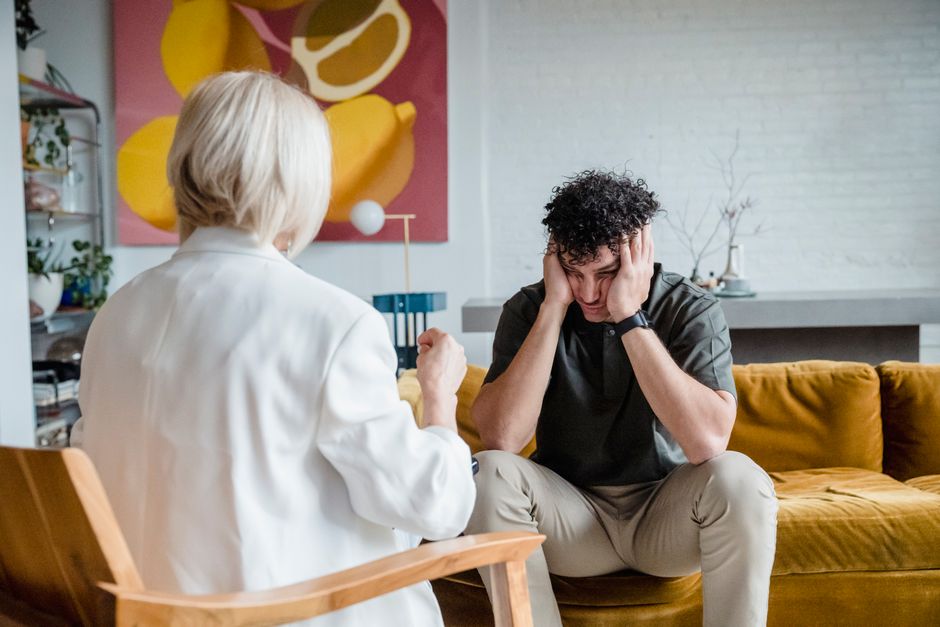
Depression is one of the most treatable mental health conditions. Treatment usually involves a combination of therapy, medication, and lifestyle changes. Most people feel better within a few weeks to months with the right support. The key is finding what works for you and sticking with it.
What Is The Treatment For Depression and How Does It Work?
Treatment for depression is not one-size-fits-all. The most common approaches are psychotherapy (talk therapy), antidepressant medications, or both together. Research published in JAMA found that combining therapy and medication works better than either alone for moderate to severe depression.
Therapy helps you understand thought patterns and behaviors that keep depression going. Medications work on brain chemistry. Both target the underlying causes of depression, just from different angles. Your doctor will help you decide which approach fits your situation best.
For mild depression, therapy alone may be enough. For moderate to severe depression, medication plus therapy is the standard recommendation from the American Psychiatric Association. Electroconvulsive therapy (ECT) is reserved for severe cases that do not respond to other treatments.
Does Talk Therapy Actually Work for Depression?
Yes. Cognitive behavioral therapy (CBT) is the most studied form of talk therapy for depression. The National Institute for Health and Care Excellence (NICE) recommends CBT as a first-line treatment. Studies show that CBT helps people change negative thought patterns that fuel depression.
Other effective therapies include interpersonal therapy (IPT), which focuses on relationships, and behavioral activation, which helps you re-engage with activities you once enjoyed. These are not quick fixes. Most people need 12 to 20 sessions to see real improvement.
One thing many articles get wrong: therapy does not “cure” depression overnight. It teaches you skills to manage symptoms. Some people need ongoing maintenance sessions even after they feel better. That is normal and not a sign of failure.
What Antidepressants Are Prescribed Most Often?
Selective serotonin reuptake inhibitors (SSRIs) are the most commonly prescribed antidepressants. They include medications like fluoxetine (Prozac), sertraline (Zoloft), and escitalopram (Lexapro). SSRIs work by increasing serotonin levels in the brain, which helps regulate mood.
Other classes include SNRIs (venlafaxine, duloxetine), bupropion (Wellbutrin), and mirtazapine (Remeron). Each works slightly differently. The choice depends on your specific symptoms, side effect profile, and other health conditions.
Here is a comparison of common antidepressant classes:
| Class | Examples | Common Side Effects | Best For |
|---|---|---|---|
| SSRIs | Fluoxetine, Sertraline | Nausea, insomnia, sexual problems | First-line treatment for most people |
| SNRIs | Venlafaxine, Duloxetine | Nausea, increased blood pressure | Depression with anxiety or chronic pain |
| Bupropion | Wellbutrin | Insomnia, dry mouth | Depression with low energy; no sexual side effects |
| Mirtazapine | Remeron | Weight gain, drowsiness | Depression with insomnia or low appetite |
Medications take 2 to 4 weeks to start working. Full effect may take 6 to 8 weeks. Do not stop them suddenly without talking to your doctor. Withdrawal symptoms can be severe.




What Lifestyle Changes Help Treat Depression?
Exercise is one of the most effective non-medication treatments. A 2023 meta-analysis in the British Journal of Sports Medicine found that exercise reduces depression symptoms as much as medication for mild to moderate cases. Thirty minutes of moderate activity three times a week is enough to see benefits.
Sleep matters more than most people realize. Depression often disrupts sleep, and poor sleep makes depression worse. Aim for 7 to 9 hours per night. A consistent sleep schedule helps stabilize your mood.
Diet also plays a role. The SMILES trial, published in BMC Medicine, found that a Mediterranean-style diet improved depression symptoms in people who ate poorly. This means plenty of vegetables, fruits, whole grains, fish, and olive oil. Limit processed foods and sugar.
Social connection is another key factor. Isolation feeds depression. Even one meaningful conversation per day can help. This is widely claimed but strong evidence is limited — though the CDC notes that social support is linked to better mental health outcomes.
What Alternative Treatments Actually Have Evidence?
St. John’s wort is a herbal supplement some people use for depression. Some studies suggest it works for mild depression. However, the FDA does not regulate it, and it can interact dangerously with other medications. Do not take it without talking to your doctor first.
Light therapy is effective for seasonal affective disorder (SAD). A 2019 review in JAMA Psychiatry found it works as well as antidepressant medication for SAD. It involves sitting near a special light box for 30 minutes each morning.
Mindfulness and meditation have moderate evidence. A 2021 study in JAMA Internal Medicine found that mindfulness-based cognitive therapy (MBCT) reduces relapse rates in people with recurrent depression. It is not a replacement for other treatments but can be a helpful addition.
As of 2026 there is no clinical evidence that CBD oil, essential oils, or “brain training” apps treat depression. Some people report benefits, but controlled studies do not show consistent results. Be wary of products that promise quick fixes.
Here is a quick list of what to avoid:
- Supplements that claim to “cure” depression without evidence
- Stopping medication abruptly without medical supervision
- Relying on alcohol or recreational drugs to cope
- Ignoring suicidal thoughts or self-harm urges
How Long Does Depression Treatment Take to Work?
Therapy usually takes 8 to 12 sessions before you notice real change. Medications take 2 to 6 weeks to show effects. Full improvement can take 3 to 6 months. This is normal. Do not expect to feel better in a week.
About 50 to 60 percent of people respond to their first antidepressant. If the first one does not work, try a different one. Many people need to try two or three medications before finding the right fit. This is not a sign that treatment is failing.
For severe depression that does not respond to multiple treatments, doctors may recommend transcranial magnetic stimulation (TMS) or electroconvulsive therapy (ECT). These are not first-line treatments, but they work for many people who have not gotten relief from other options.
Relapse is possible. About 50 percent of people who recover from depression will have another episode at some point. Maintenance treatment — continuing therapy or medication — reduces the risk of relapse significantly.
Frequently Asked Questions
What is the first step in treating depression?
See your primary care doctor or a mental health professional for an evaluation. They will rule out medical causes and recommend a treatment plan.
Can depression go away without treatment?
Some mild episodes resolve on their own, but untreated depression often lasts longer and may get worse. Treatment speeds recovery and reduces the chance of relapse.
Is therapy or medication better for depression?
Both are effective. For moderate to severe depression, combining therapy and medication works better than either alone. For mild depression, therapy may be enough.
How long do antidepressants take to work?
Most antidepressants take 2 to 4 weeks to start improving symptoms. Full effect usually takes 6 to 8 weeks. Some people need longer.
