
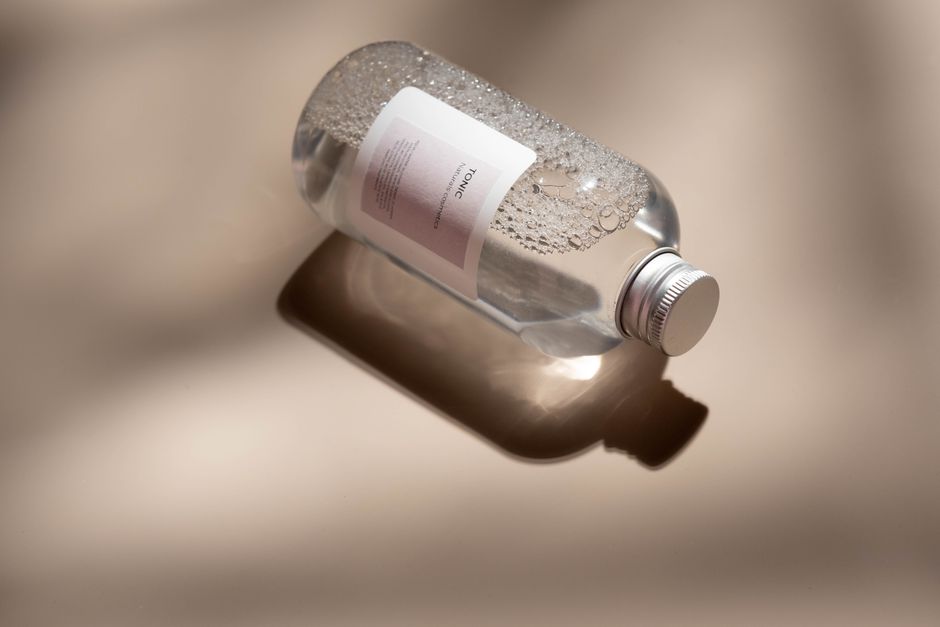
In health drinks and skincare, the word “tonic” usually does not name one single ingredient. It is a broad label for a liquid added to a product to refresh, balance, or invigorate. In a drink, a tonic is often a flavored liquid or a concentrated blend. In skincare, a tonic is a liquid applied after cleansing to remove residue and prepare skin for the next step. The same word covers very different products, which is why it causes so much confusion.
What Is The Tonic In Health Drinks And Skincare?
The word “tonic” describes a role, not a fixed formula. A tonic is a liquid meant to tone — to refresh, restore, or balance something. What sits inside the bottle depends entirely on the category.
In beverages, tonic most often means a carbonated soft drink. The classic version is tonic water, which contains quinine, a bitter compound. Quinine gives tonic water its distinct bitter taste. In many “health drinks,” tonic is used more loosely to mean a concentrated liquid blend, sometimes herbal, sometimes vitamin-fortified, meant to be mixed with water or another liquid.
In skincare, a tonic is a water-based liquid applied after cleansing. It is close to a toner, though the terms are not always used the same way. Its job is usually to remove leftover cleanser, temporarily tighten the look of pores, and prep skin for moisturizer or serum.
The key point: “tonic” is a marketing and category word more than a scientific one. It tells you how a product is used, not what it contains. You have to read the ingredient list to know what you are actually getting.
What Is Tonic Water And Why Does It Taste Bitter?
Tonic water is a carbonated soft drink flavored with quinine, which comes from the bark of the cinchona tree. Quinine is intensely bitter, and that bitterness is the defining feature of tonic water. Most commercial tonic water also contains added sugar or a sweetener, plus carbonation and sometimes citrus or botanical flavorings.
The drink has a real history. Quinine was used for centuries to treat malaria, and British colonial troops reportedly mixed it with sugar, water, and gin to make the medicine easier to swallow. That combination became the gin and tonic. Today, the quinine in tonic water is mostly there for taste.
How much quinine is in a typical tonic water? In the United States, the Food and Drug Administration limits quinine in tonic water to no more than 83 parts per million. That is far below a therapeutic dose. This matters: drinking tonic water will not treat or prevent malaria. It is a beverage, not a medicine.
A note on quinine and safety
For most people, the small amount of quinine in tonic water is not a concern. But quinine can cause side effects in some people, including a serious blood condition. People who are sensitive to quinine, pregnant women, and anyone taking certain medications should be cautious. If you drink large amounts of tonic water and notice unusual bruising, bleeding, or vision changes, that is a reason to seek medical care. This is not a common reaction, but it is real.
What Is In A Skincare Tonic?
A skincare tonic is mostly water. The rest is a mix of ingredients that serve specific functions. Common ones include:
- Humectants like glycerin, which draw water to the skin surface
- Alcohol or witch hazel, which can give a quick tightening or drying effect
- Botanical extracts, such as rose, cucumber, or green tea
- Acids like glycolic or salicylic acid in some exfoliating tonics
- Preservatives to keep the liquid from growing bacteria
The formula varies widely. A gentle hydrating tonic and a strong exfoliating tonic are almost different products that happen to share a name.
Here is a non-obvious point. The tightening feeling many people get from a tonic is often just the sensation of alcohol or witch hazel evaporating and briefly drying the skin’s surface. That feeling is not proof the product is shrinking pores or improving skin. Pores do not open and close like doors. Their appearance can change with oil, debris, and hydration, but the physical pore size is largely set by genetics.





Do Tonic Drinks And Skincare Tonics Actually Work?
This is where honesty matters, because the two categories are not equal.
For tonic water, the answer is simple: it is a beverage. It has no established health benefit beyond hydration, and it often contains added sugar. Some people enjoy the taste. That is the honest case for drinking it.
For “health drinks” that call themselves tonics — apple cider vinegar blends, herbal concentrates, vitamin mixes — the evidence is mixed and often thin. Some contain added vitamins, which can contribute to your daily intake. But the specific health claims on many labels are not backed by large human trials. When a bottle says a tonic “supports immunity” or “boosts energy,” that language is usually marketing, not a measured outcome.
For skincare tonics, the picture depends on the ingredients. A well-formulated hydrating tonic with glycerin can help moisturize. An exfoliating tonic with a proven acid can, over time, improve the look of skin texture. But a tonic that is mostly water, alcohol, and fragrance may do little beyond a temporary feeling of freshness. The ingredient list, not the word “tonic,” tells you what to expect.
How Do You Read A Tonic Label Honestly?
Ignore the front of the bottle. Turn it around.
For drinks, check the sugar content first. Many tonic waters and “health” tonics carry significant added sugar. Look at the ingredient order — ingredients are listed by weight, so the first few tell you the most. If sugar or a syrup is near the top, the product is mostly sweetened liquid.
For skincare, scan for ingredients you recognize and know the purpose of. If alcohol is high on the list and your skin is dry or sensitive, that is worth noting. If the product claims to “detox” or “balance pH,” treat those claims with caution. Skin has its own pH regulation, and a tonic does not meaningfully change it in a lasting way.
A short list of things to be skeptical about on any tonic label:
- Vague words like “detox,” “purify,” or “balance” with no explanation
- Claims that a drink tonic treats or prevents disease
- Promises of fast, dramatic skin changes from a water-based tonic alone
- Testimonials used in place of actual study data
Is A Tonic The Same As A Toner?
In skincare, tonic and toner are often used interchangeably, but they are not always identical. Traditionally, a toner was an astringent liquid meant to remove oil and tighten the look of skin. A tonic was considered gentler, more about refreshing and hydrating. Over time, brands blurred the line, and now the two words are used loosely.
The practical takeaway is the same for both: read the ingredients. The name on the bottle tells you less than the formula inside it. If you want hydration, look for humectants. If you want exfoliation, look for a known acid at a sensible concentration. If you want gentle refreshment, look for a short, simple list without much alcohol.
What About “Detox” And “Energy” Tonic Claims?
Your body already has organs that handle detoxification — mainly the liver and kidneys. No drink tonic has been shown to make them work better or to “flush toxins” in a way that changes health outcomes. That is one of the most persistent myths in the wellness aisle.
Energy claims deserve similar caution. Some drinks contain caffeine or B vitamins, which can affect how alert you feel or support normal energy metabolism. But a tonic does not create energy from nothing. If a product promises a dramatic energy boost with no stimulant and no calories, that claim has no solid evidence behind it.
None of this means every tonic is useless. A hydrating drink can help you stay hydrated. A well-made skincare tonic can be a pleasant, useful step in a routine. The point is to match the product to what it can actually do, not to what the label implies.
Frequently Asked Questions
What is the tonic in health drinks usually made of?
In most health drinks, a tonic is a liquid blend, often water-based, that may contain herbs, vitamins, or flavorings. Classic tonic water is defined by quinine, a bitter compound from cinchona bark. The exact contents vary, so the ingredient list is the only reliable source.
Does tonic water have health benefits?
Tonic water is a beverage, not a medicine, and it has no established health benefit beyond hydration. The quinine it contains is limited to a very small amount for flavor and is far below any therapeutic dose. Many tonic waters also contain added sugar.
Is a skincare tonic the same as a toner?
The two terms are often used interchangeably, though a tonic is traditionally considered gentler and more hydrating than an astringent toner. What matters most is the ingredient list, not the name on the label.
Can a tonic shrink your pores?
No. Pore size is largely determined by genetics, and a tonic cannot physically shrink pores. A tonic may temporarily make pores look smaller by removing surface oil and debris.
