
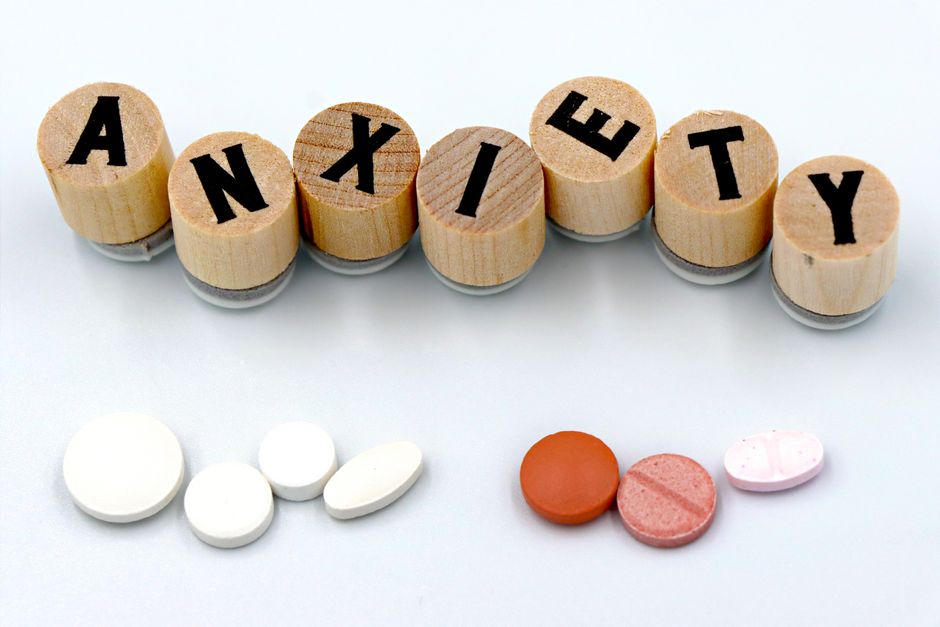
When doctors consider the safest benzodiazepine for anxiety, the answer depends far more on your specific health profile than on the drug itself. There is no single “safest” benzo for everyone, but clinical evidence consistently points to a few that carry lower risks for most people. Lorazepam (Ativan) and oxazepam are often considered among the safest options because they do not rely heavily on the liver for breakdown, which makes them a better choice for older adults and people with liver disease.
What Makes One Benzo Safer Than Another?
Benzodiazepines work by enhancing a brain chemical called GABA. This chemical slows down nerve activity, which reduces anxiety, relaxes muscles, and can cause sleepiness. All benzodiazepines do this, but they differ in how fast they work, how long they stay in your body, and how your body breaks them down.
These differences matter for safety. A drug that stays in your system longer builds up more over time. A drug that needs the liver to process it can cause problems for someone with liver issues. A drug that hits the brain quickly may be more likely to cause memory problems or falls.
Doctors look at these factors when choosing which benzo to prescribe. The safest choice for one person may be a poor choice for another.
Which Benzodiazepines Are Considered Safest?
Lorazepam and oxazepam appear most often on lists of safer benzodiazepines. Both are metabolized through a process called glucuronidation, which does not depend on the liver’s cytochrome P450 system. This means their breakdown is less affected by age, liver disease, or other medications that interfere with liver enzymes.
Oxazepam is the active breakdown product of diazepam. It has no active metabolites of its own, which means it does not build up in the body the way some others do. This makes it a common choice for older adults.
Lorazepam has a medium duration of action. It does not stay in the body as long as diazepam, and it does not produce long-acting breakdown products. It is also well absorbed when taken by mouth.
Temazepam is sometimes included in this group as well. It is primarily used for sleep rather than daytime anxiety, but it shares the same safer metabolic profile.
Why Are Short-Acting Benzos Not Always Safer?
You might expect that a drug which leaves your body quickly would be safer. That is not always true. Short-acting benzodiazepines like alprazolam (Xanax) and triazolam can cause more problems because they wear off quickly.
When a benzo leaves the body fast, anxiety symptoms can return quickly. This is called rebound anxiety. Some people respond by taking more of the drug, which raises the risk of dependence. Short-acting benzos also cause more severe withdrawal symptoms when stopped.
Long-acting benzodiazepines like diazepam (Valium) have the opposite problem. They stay in the body for a long time and can accumulate, especially in older adults. This increases the risk of daytime sedation, falls, and memory problems.
The safest profile appears to be a benzo with an intermediate duration of action that does not produce active metabolites. Lorazepam fits this description well.





Are There Benzodiazepines That Should Be Avoided?
Some benzodiazepines carry higher risks than others for specific groups. Flurazepam, which is used for sleep, has a very long half-life and is generally avoided in older adults because of fall risk. Chlordiazepoxide is processed by the liver and can accumulate in people with liver disease.
Alprazolam deserves special attention. It is one of the most prescribed benzodiazepines for anxiety, but it is also one of the most problematic. It works quickly, which makes it appealing, but it has a short duration of action and is associated with higher rates of dependence and withdrawal difficulty.
Clonazepam is commonly used for anxiety disorders. It has a long duration of action, which means it can be taken less frequently. But it also produces active metabolites and can accumulate in the body over time.
What About Older Adults and People With Liver Problems?
Older adults are more sensitive to the effects of benzodiazepines. Their bodies clear these drugs more slowly, and they are at higher risk for falls, fractures, and cognitive impairment. Clinical guidelines consistently recommend avoiding benzodiazepines in older adults whenever possible. When one is necessary, lorazepam and oxazepam are the preferred choices because their metabolism is less affected by age.
People with liver disease face similar concerns. The liver processes most benzodiazepines, and a damaged liver cannot do this efficiently. Lorazepam and oxazepam again stand out because they do not depend on liver enzymes for breakdown.
Kidney function matters too, though less research has focused on this. Some clinicians recommend lower doses of any benzo for people with significant kidney disease.
What Are the Real Risks of Long-Term Benzo Use?
The most serious risk with benzodiazepines is dependence. This can develop within weeks of regular use, even at prescribed doses. Physical dependence means your body has adapted to the drug and you will experience withdrawal symptoms if you stop suddenly.
Withdrawal from benzodiazepines can be dangerous. Symptoms can include severe anxiety, insomnia, tremors, and in rare cases seizures. This is why benzodiazepines are generally recommended for short-term use only, usually a few weeks.
Long-term use also carries risks that are less obvious. Studies have linked chronic benzodiazepine use to memory problems and an increased risk of dementia, although the exact relationship remains under investigation. Some research suggests the link may be stronger in people who use higher doses for longer periods.
Falls and fractures are a significant concern, especially for older adults. Benzodiazepines impair coordination and reaction time, which increases the chance of falling.
Are There Safer Alternatives to Benzodiazepines?
For many people, the safest benzodiazepine is none at all. Several non-medication approaches have strong evidence for treating anxiety. Cognitive behavioral therapy (CBT) is one of the most studied treatments for anxiety disorders. It teaches practical skills for managing anxious thoughts and behaviors.
Selective serotonin reuptake inhibitors (SSRIs) are considered first-line medication treatment for most anxiety disorders. These drugs take several weeks to work but do not carry the same dependence risk as benzodiazepines. Serotonin-norepinephrine reuptake inhibitors (SNRIs) are another option with similar benefits.
Buspirone is a non-benzodiazepine medication specifically approved for generalized anxiety disorder. It does not cause dependence and does not interact with alcohol the way benzodiazepines do. However, it takes time to work and is not effective for everyone.
Some people find benefit from lifestyle changes like regular exercise, adequate sleep, and stress management techniques. These approaches do not work as quickly as medication but can be effective over time.
What Should You Discuss With Your Doctor?
If you and your doctor decide a benzodiazepine is appropriate, ask specific questions. Ask why this particular benzo was chosen and what makes it a good fit for your health history. Ask about the lowest effective dose and how long you should take it.
Ask about your risk factors. Your age, liver health, kidney function, and other medications all affect how your body handles a benzodiazepine. Be honest about alcohol use, because combining alcohol with benzodiazepines is dangerous.
Ask about a plan for stopping the medication before you start. Knowing how you will taper off the drug can help prevent withdrawal problems. A slow taper under medical supervision is the safest way to stop.
Do not stop a benzodiazepine abruptly. Sudden discontinuation can cause severe withdrawal symptoms, including seizures. Always work with your doctor to reduce the dose gradually.
Frequently Asked Questions
What is the safest benzo for anxiety in older adults?
Lorazepam and oxazepam are generally considered the safest options for older adults because their metabolism is less affected by age. However, guidelines recommend avoiding benzodiazepines entirely in older adults whenever possible.
Which benzo has the lowest risk of dependence?
No benzodiazepine carries zero risk of dependence, but oxazepam and lorazepam are associated with lower dependence risk than shorter-acting drugs like alprazolam. Dependence can develop within weeks of regular use with any benzo.
Can you take a benzo every day for anxiety?
Regular daily use is generally not recommended because dependence can develop quickly, often within a few weeks. Benzodiazepines are typically prescribed for short-term relief while longer-term treatments like SSRIs or therapy take effect.
Is lorazepam safer than alprazolam for anxiety?
Lorazepam generally has a safer profile because it has an intermediate duration of action and does not produce active metabolites. Alprazolam has a shorter duration and is associated with more rebound anxiety and withdrawal difficulty.
This article is for informational purposes only and does not replace professional medical advice. Always discuss medication decisions with a qualified healthcare provider.
