
Every breath you take moves air through a branching network of tubes and tiny sacs that pull oxygen into your blood and push carbon dioxide out. That network is your respiratory system. It starts at your nose and mouth and ends deep in your lungs, where millions of thin-walled air sacs sit against a matching web of blood vessels.
The system has one core job: gas exchange. Oxygen from the air crosses into your bloodstream, and carbon dioxide, a waste product your cells make constantly, crosses the other way and leaves your body when you exhale. Everything else in the system — the nose, throat, windpipe, and the muscles that drive breathing — exists to make that exchange happen safely and efficiently.
What Parts Make Up the Respiratory System?
The respiratory system is divided into two main regions: the upper airway and the lower airway. Together they form a continuous path from the outside world to the bloodstream.
The upper airway includes the nose, nasal cavity, mouth, throat (pharynx), and voice box (larynx). The nose does more than let air in. Its lining warms, moistens, and filters incoming air, and tiny hairs called cilia trap dust and particles. This is why breathing through your nose generally delivers cleaner, more conditioned air than breathing through your mouth.
The lower airway begins at the trachea, or windpipe. The trachea splits into two bronchi, one for each lung. Those bronchi branch repeatedly into smaller tubes called bronchioles, like branches on an upside-down tree. At the very ends sit clusters of tiny air sacs called alveoli. Estimates vary, but the lungs contain hundreds of millions of these sacs. Their combined surface area is often compared to the size of a tennis court — a striking figure that reflects how much contact area exists between air and blood.
Two more structures matter. The diaphragm is a dome-shaped muscle below the lungs. It does most of the work of breathing. The rib cage and the muscles between the ribs protect the lungs and help expand the chest cavity.
How Does Breathing Actually Work?
Breathing is mechanical. When you inhale, the diaphragm contracts and flattens, and the muscles between your ribs pull the rib cage up and out. This expands the chest cavity. Because the space inside gets larger, the pressure inside drops below the pressure outside your body, and air flows in to equalize it.
When you exhale at rest, the diaphragm and rib muscles relax. The chest cavity shrinks, pressure rises, and air flows out. Normal quiet breathing is mostly passive on the exhale. During exercise or when you are short of breath, muscles in the abdomen and neck pitch in to force air out faster.
Once air reaches the alveoli, gas exchange happens by diffusion. Oxygen moves from the air sacs into the blood because the oxygen concentration is higher in the air than in the returning blood. Carbon dioxide moves the opposite way, from blood into the air sacs, because its concentration is higher in the blood. You then exhale it. This exchange depends on thin membranes and on the concentration differences staying in place. When either breaks down, oxygen levels in the blood can fall.
One detail people often miss: the lungs do not inflate on their own. They have no muscle tissue to pull themselves open. They expand because the chest cavity around them expands, and a thin fluid layer between the lungs and chest wall keeps them stuck to that motion. This is why a chest wound that lets air into the chest cavity can collapse a lung.
What Does the Respiratory System Do Besides Gas Exchange?
Gas exchange is the headline, but the system handles several other jobs.
- Acid-base balance. Carbon dioxide is mildly acidic in the blood. By changing how fast and how deeply you breathe, your body adjusts carbon dioxide levels and, with them, blood pH. This is one of the fastest ways the body corrects acid-base problems.
- Speech. Air moving out past the vocal cords in the larynx produces sound. Your mouth, tongue, and lips shape it into words.
- Temperature and moisture control. Exhaled air carries heat and water vapor, which is part of how the body manages temperature and fluid loss.
- Defense against particles. Mucus traps dust, pollen, and microbes. Cilia sweep the mucus upward toward the throat, where it is swallowed or coughed out. This is called the mucociliary escalator.
- Smell. The upper airway carries air past smell receptors in the nasal cavity.
The filtering and immune functions of the airway are easy to overlook, but they matter. The lungs are one of the few internal organs in constant contact with the outside environment.



What Are Common Respiratory Conditions?
Respiratory problems are among the most common reasons people see a doctor. They fall into a few broad groups.
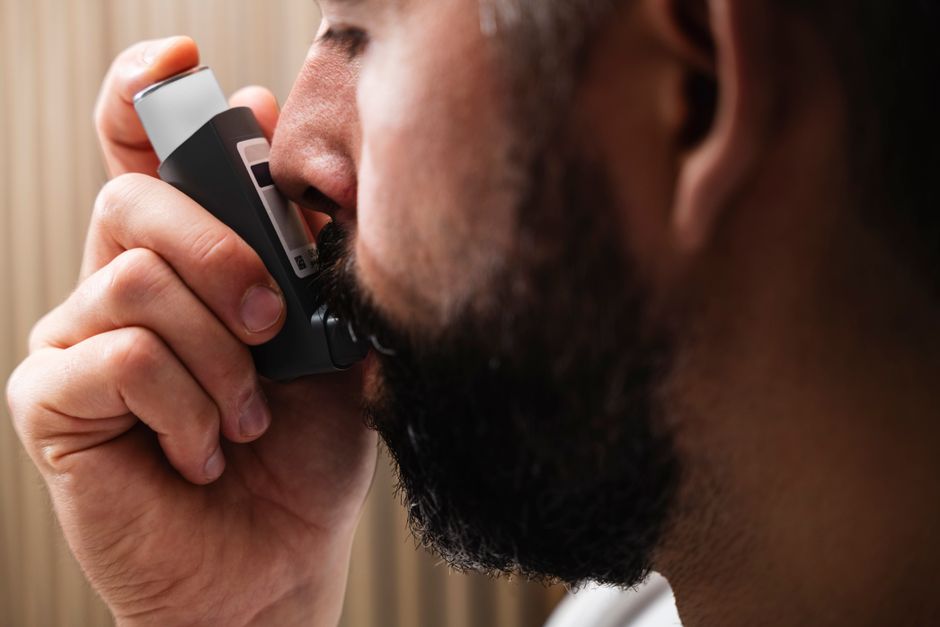
Obstructive conditions narrow or block airflow. Asthma causes airways to tighten and become inflamed, often in response to triggers like allergens, cold air, or exercise. Chronic obstructive pulmonary disease, or COPD, usually develops after long-term exposure to cigarette smoke and involves damage that makes it hard to push air out. Both are well documented and both are managed with inhaled medications and trigger avoidance.
Restrictive conditions make it hard for the lungs to expand fully. These include scarring diseases like pulmonary fibrosis and conditions that stiffen the chest wall. The problem is not blocked airflow but reduced lung volume.
Infections include the common cold, influenza, COVID-19, pneumonia, and tuberculosis. Most respiratory infections are mild and clear on their own, but some — particularly pneumonia in older adults or people with weakened immune systems — can become serious.
Other categories include lung cancer, pulmonary embolism (a blood clot in the lung), and sleep apnea, in which breathing repeatedly pauses during sleep.
Symptoms that warrant medical attention include shortness of breath that is new or worsening, coughing up blood, chest pain with breathing, and a cough lasting more than a few weeks. These are general warning signs, not a diagnosis. Only a clinician can determine what is causing them.
How Can You Keep Your Respiratory System Healthy?
The single most impactful step is not smoking and avoiding secondhand smoke. Smoking is the leading cause of COPD and a major cause of lung cancer. The evidence here is not in question. Quitting at any age reduces risk, and the earlier the better.
Other measures have solid support:
- Stay current on vaccines. Influenza and COVID-19 vaccines reduce the risk of severe respiratory illness, particularly in older adults and people with chronic conditions. Ask a clinician which vaccines fit your situation.
- Reduce exposure to pollutants. This includes indoor radon, workplace dust and fumes, and outdoor air pollution. Radon testing is inexpensive and worth doing in many homes.
- Wash your hands and avoid close contact with sick people. Many respiratory infections spread through droplets and contaminated surfaces.
- Stay physically active. Regular activity improves cardiovascular fitness and breathing efficiency, though it does not reverse existing lung damage.
What about supplements or “lung detox” products? No clinical evidence confirms that any supplement cleans or repairs the lungs. The airway has its own cleaning system, and no product on the market has been shown to improve it. Claims to the contrary are marketing, not medicine.
How Does the Respiratory System Change With Age?
Lung function declines gradually with age in most people, even without disease. The chest wall becomes stiffer, the muscles that drive breathing weaken somewhat, and the airways lose some elasticity. These changes are normal and usually not noticeable during everyday activity.
What matters more is accumulated exposure. Decades of smoking, pollution, or occupational dust can compound the natural decline. This is why lung disease often shows up later in life even when symptoms seemed absent earlier.
Older adults are also more vulnerable to respiratory infections and tend to recover more slowly. Keeping up with vaccines, staying active, and avoiding smoke exposure all help preserve what lung function remains.
Frequently Asked Questions
What is the main function of the respiratory system?
Its main job is gas exchange: bringing oxygen into the blood and removing carbon dioxide. It also helps regulate blood pH, produces speech, and defends against inhaled particles.
How many lungs does a person have?
People have two lungs, one on each side of the chest. The right lung has three lobes and the left has two, leaving room for the heart.
Can you live with one lung?
Yes. Many people live normal, active lives after having a lung removed. The remaining lung expands to take on more of the workload over time.
Does breathing through your mouth vs your nose matter?
Yes, to some degree. Nasal breathing filters, warms, and moistens air before it reaches the lungs, while mouth breathing bypasses much of that conditioning.
