
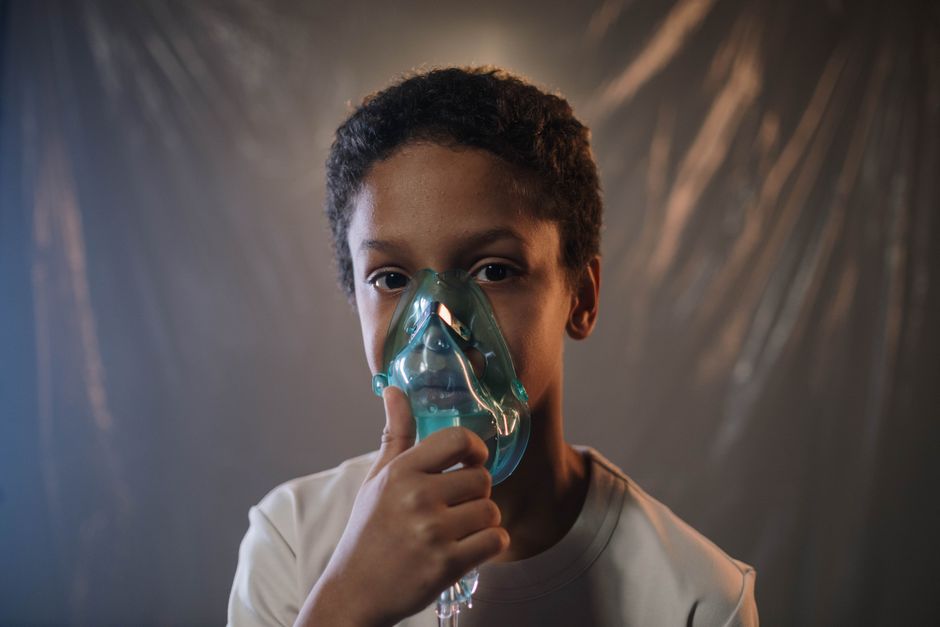
The respiratory system is the group of organs and tissues that helps you breathe. Its main job is to bring oxygen into your body and remove carbon dioxide, a waste gas your cells produce. This process, called gas exchange, happens deep inside your lungs and is essential for every cell in your body to function.
What Is The Respiratory System And What Does It Do?
The respiratory system is your body’s breathing apparatus. It consists of the airways, the lungs, and the muscles that help move air in and out. When you inhale, air travels through your nose or mouth, down your throat, and into your lungs. Oxygen from that air passes into your bloodstream. At the same time, carbon dioxide moves from your blood into your lungs and leaves your body when you exhale.
This exchange of gases keeps your blood oxygenated. Without it, your brain, heart, and other organs would fail within minutes. The system also helps regulate the pH balance of your blood and filters out particles and microbes you breathe in.
What Organs Make Up the Respiratory System?
The respiratory system is divided into two main parts: the upper respiratory tract and the lower respiratory tract. Each part has a specific role in moving air and protecting the body.
Upper Respiratory Tract
Air enters through the nose or mouth. The nose is the preferred route because it warms, moistens, and filters the air before it reaches the lungs. Tiny hairs inside the nostrils trap larger particles like dust and pollen. The nasal cavity also contains mucus that captures smaller particles and microbes.
From the nose, air moves into the pharynx, which is the passage behind the nose and mouth. It then travels through the larynx, or voice box. The larynx contains your vocal cords and acts as a gateway. A flap called the epiglottis closes over the larynx when you swallow to prevent food and liquid from entering the airways.
Lower Respiratory Tract
Below the larynx sits the trachea, or windpipe. The trachea divides into two tubes called bronchi. One bronchus leads to each lung. Inside the lungs, the bronchi branch into smaller tubes called bronchioles. These get progressively narrower, like the branches of a tree.
At the end of the smallest bronchioles are tiny air sacs called alveoli. Each lung contains hundreds of millions of these sacs. Their walls are extremely thin and surrounded by a dense network of tiny blood vessels called capillaries. This is where gas exchange actually occurs.
The lungs themselves are sponge-like organs protected by the rib cage. A muscle called the diaphragm sits below the lungs and is the primary muscle of breathing.
How Does Breathing Actually Work?
Breathing is a mechanical process driven by pressure changes. It happens automatically, controlled by the brainstem, but you can also control it voluntarily to a degree.
When you inhale, the diaphragm contracts and flattens. The muscles between your ribs also contract, pulling the rib cage upward and outward. These movements expand the chest cavity, which decreases pressure inside the lungs. Air rushes in to equalize that pressure.
Exhalation is mostly passive. The diaphragm relaxes and moves upward, and the rib cage returns to its resting position. This compresses the lungs and pushes air out. When you exercise or need to force air out, abdominal muscles assist with this process.
At rest, a typical adult takes about 12 to 20 breaths per minute. Each breath moves roughly 500 milliliters of air, which is about the volume of a standard soda can. The rate increases when your body needs more oxygen, such as during physical activity or stress.




How Does Gas Exchange Work in the Lungs?
Gas exchange is a passive process driven by differences in concentration. Oxygen moves from areas of high concentration to areas of low concentration. The same applies to carbon dioxide.
When you inhale fresh air, the oxygen concentration in the alveoli is high. The blood arriving in the capillaries around the alveoli has a low oxygen concentration because it has just delivered oxygen to body tissues. Oxygen therefore diffuses across the thin alveolar wall into the blood.
Carbon dioxide moves in the opposite direction. Blood returning from body tissues carries a high concentration of carbon dioxide. The air in the alveoli has a lower concentration because you just exhaled some of it. Carbon dioxide diffuses out of the blood and into the alveoli, where it is expelled with your next breath.
Oxygen binds to hemoglobin, a protein inside red blood cells. Hemoglobin carries oxygen through the bloodstream to every tissue in the body. When it reaches tissues that need oxygen, the oxygen detaches and enters the cells. Cells use it to produce energy in a process called cellular respiration. Carbon dioxide is a byproduct of this process.
This entire exchange happens in less than one second. The total surface area of all your alveoli is roughly the size of a tennis court, which provides enough space for efficient gas exchange to occur rapidly.
What Are the Main Functions Beyond Breathing?
The respiratory system does more than just move air. It performs several protective and regulatory jobs that are critical to health.
- Filtration and defense: Mucus in the airways traps dust, bacteria, and viruses. Tiny hair-like structures called cilia line the airways and sweep mucus upward toward the throat, where it can be swallowed or coughed out.
- Voice production: Air passing through the larynx causes the vocal cords to vibrate, producing sound. The shape of your throat, mouth, and nose shapes that sound into speech.
- Olfaction: The nose detects smells, which contributes to taste and helps you detect danger such as smoke or spoiled food.
- pH regulation: By changing how fast or deeply you breathe, the body can adjust carbon dioxide levels in the blood. Carbon dioxide forms carbonic acid in the blood, so removing it faster makes the blood less acidic.
- Blood pressure support: The lungs produce angiotensin-converting enzyme, or ACE, which helps regulate blood pressure through a hormone system.
- Blood filtration: Tiny blood clots and other debris can be trapped and dissolved in the lungs before they reach the brain or heart.
What Conditions Affect the Respiratory System?
Many conditions can impair the respiratory system. They generally fall into a few categories: obstructive diseases, restrictive diseases, infections, and vascular conditions.
Obstructive diseases make it harder to get air out of the lungs. Asthma causes the airways to narrow and inflame, often in response to triggers like allergens or exercise. Chronic obstructive pulmonary disease, or COPD, is a progressive condition usually caused by smoking. It damages the airways and alveoli over time.
Restrictive diseases make it harder to expand the lungs fully. Pulmonary fibrosis causes lung tissue to become thick and stiff. This makes it difficult for oxygen to cross into the bloodstream. Obesity can also restrict lung expansion because excess weight presses on the chest and abdomen.
Infections range from mild to severe. The common cold affects the upper airways. Influenza can spread deeper. Pneumonia is an infection of the alveoli, often causing them to fill with fluid or pus. Bronchitis is inflammation of the bronchial tubes.
Vascular conditions affect the blood vessels in the lungs. Pulmonary embolism occurs when a blood clot travels to the lungs and blocks blood flow. Pulmonary hypertension is high blood pressure in the lung arteries, which strains the right side of the heart.
Symptoms of respiratory problems include shortness of breath, wheezing, chronic cough, chest tightness, and coughing up blood. Persistent symptoms warrant medical evaluation, especially if you smoke or have a family history of lung disease.
How Can You Keep Your Respiratory System Healthy?
Several habits are consistently linked to better respiratory health. The most important is not smoking. Smoking damages cilia, inflames airways, and destroys alveolar tissue. It is the leading cause of COPD and lung cancer. Avoiding secondhand smoke and other inhaled pollutants also matters.
Regular exercise strengthens the muscles used for breathing and improves the efficiency of oxygen use. It does not change lung capacity, but it trains your body to extract oxygen more effectively. Even moderate activity like brisk walking provides benefits.
Vaccination protects against respiratory infections. Annual flu shots and pneumococcal vaccines are recommended for adults, particularly those over 65 or with chronic conditions. COVID-19 vaccines reduce the risk of severe lung disease.
Good hydration keeps mucus thin and easier to clear. Maintaining a healthy weight reduces pressure on the lungs and diaphragm. Good indoor air quality matters too. Ventilation, air purifiers, and avoiding indoor smoking all reduce the burden on your airways.
Frequently Asked Questions
How long can the brain survive without oxygen?
Brain cells begin to die within about 4 to 6 minutes without oxygen. Permanent damage can occur after this window, and survival beyond 10 minutes without oxygen is rare.
What is the difference between breathing and respiration?
Breathing is the physical movement of air into and out of the lungs. Respiration is the chemical process by which cells use oxygen to produce energy and generate carbon dioxide.
Can you increase your lung capacity?
Exercise can improve how efficiently your body uses oxygen, but it does not significantly increase total lung capacity. Lung capacity naturally declines with age, starting around age 35.
Why does breathing rate increase during exercise?
Working muscles consume more oxygen and produce more carbon dioxide. The brain detects rising carbon dioxide levels and increases breathing rate to expel it and bring in more oxygen.
