
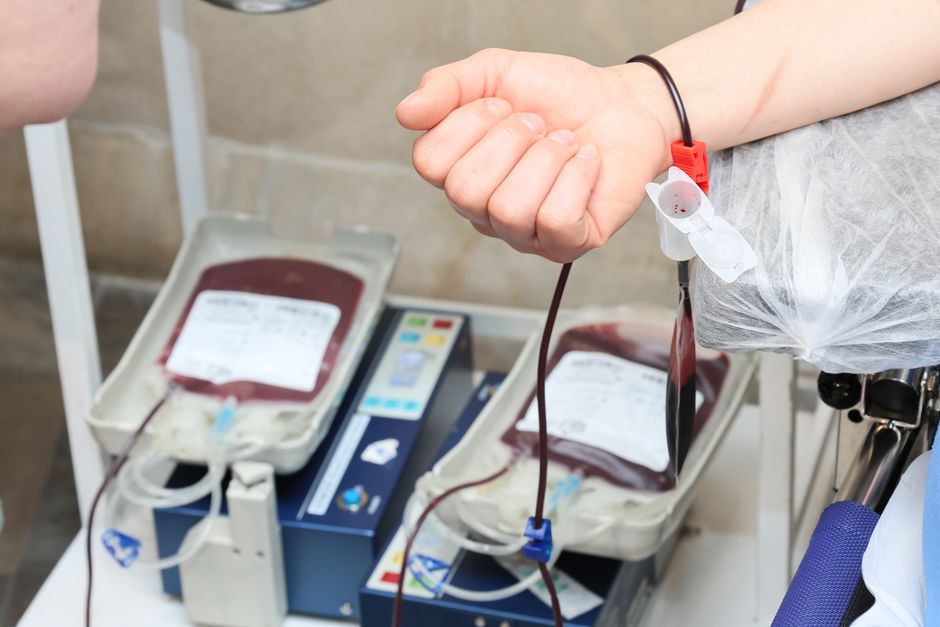
Rh null is the rarest blood type in the world. It means a person’s red blood cells carry no Rh antigens at all — not the D antigen that makes a blood type “positive” or “negative,” and not any of the other Rh proteins that sit alongside it. Fewer than 50 people worldwide are known to have it, and the small number matters because Rh null blood is both uniquely valuable for transfusion and uniquely difficult for the person who has it to receive.
Most people have never heard of Rh null, and that is expected. It sits at the far edge of a system most of us only know as the plus or minus after our ABO type. Here is what it is, why it happens, and why blood banks treat it with such care.
What Is The Rarest Blood Type Rh Null Explained
Rh null is a blood type in which red blood cells lack every antigen in the Rh blood group system. The Rh system is not a single antigen. It is a family of related proteins on the surface of red blood cells, and the most familiar member is the D antigen — the one that decides whether your blood type is positive or negative.
In Rh null, none of these proteins are present. That is different from being Rh negative. An Rh negative person still has other Rh antigens; they simply lack D. An Rh null person lacks the whole set. This is why Rh null is sometimes called “Rh-null” or described as a “golden blood” type in news reports — a nickname that reflects how rare and how useful the blood is, not anything mystical.
Rh null is inherited. It is not a disease you catch and it does not develop over time. A person is born with it. The trait is passed down through genes that control how Rh proteins are built and placed on the red cell surface, and it only appears when a child inherits the relevant gene variants from both parents.
How Common Is Rh Null?
It is extraordinarily rare. Estimates vary, but the figure most often cited is that Rh null occurs in roughly 1 in 6 million people. Some sources put it closer to 1 in 6 million for the most common form and far rarer for others.
To put that in perspective, consider the more familiar types:
- O positive is the most common blood type in the US, found in roughly 37 to 38 percent of people.
- AB negative is one of the rarest of the standard eight types, at about 1 percent.
- Rh null is rarer than AB negative by a factor of millions.
Because the numbers are so small, exact counts are hard to verify. Blood registries track known Rh null donors, but not everyone with the type has been identified. Some people learn they have it only when a routine blood test or a pregnancy workup turns up something unexpected.
Why Does Rh Null Happen?
The Rh proteins are built by a set of genes, and those genes come in different versions. Rh null happens when a person inherits versions that either fail to produce the Rh proteins or fail to place them on the red cell surface.
There are two broad routes to this. In one, the genes that code for the Rh proteins themselves are altered so the proteins are not made. In the other, a separate gene that helps assemble and position the Rh proteins is affected, so the proteins may exist but never reach the cell surface where they belong. Researchers describe these as different “types” of Rh null, and the distinction matters for genetics and for family counseling.
The important point for most readers is this: Rh null is a genetic trait, not a sign of illness. People with Rh null are generally healthy. The Rh proteins are thought to play a role in the red cell membrane, but their absence does not appear to cause disease on its own.
Why Is Rh Null Blood So Important?
Rh null blood is precious to blood banks because it can be given to almost anyone with a rare Rh type. A person with Rh null has red cells that carry no Rh antigens, so their blood will not trigger an immune reaction against Rh proteins in a recipient who has them.
This makes Rh null blood a kind of universal donor within the Rh system. For patients who have developed antibodies against multiple Rh antigens — often after previous transfusions or pregnancies — Rh null blood may be the only compatible option. That is why some blood services maintain frozen stores of it and why donors with Rh null are sometimes asked to give regularly.
There is a catch that surprises people. The same feature that makes Rh null blood so useful to others makes it hard for the person who has it to receive blood. An Rh null person can form antibodies against the Rh antigens that almost everyone else carries. If that happens, a standard transfusion could trigger a serious reaction. For that reason, Rh null patients are usually advised to bank their own blood ahead of planned surgery when possible.
What Are The Risks Of Living With Rh Null?
For day-to-day life, Rh null usually causes no symptoms. The main risks are tied to medical situations rather than to everyday health.
The first is transfusion. If an Rh null person needs blood, finding a compatible unit can be difficult and slow. Blood banks may need to search regional or national inventories, and in an emergency that delay can matter. This is why some people with Rh null carry medical alert information and why their doctors may plan ahead.
The second is pregnancy. An Rh null woman can carry a baby whose red cells carry Rh antigens inherited from the father. During pregnancy or delivery, she may be exposed to those antigens and form antibodies. This is a well-recognized concern in obstetrics, and management is handled by specialists who understand rare blood types. Standard Rh immune globulin, used for the more common Rh negative situation, is not a simple fit here — the clinical approach has to be individualized. Anyone with Rh null who is pregnant or planning a pregnancy should be managed by a care team familiar with the condition.
Beyond these situations, there is no evidence that Rh null shortens life or causes chronic health problems. The rarity itself is the main issue, not the biology of the blood.
How Would You Know If You Have Rh Null?
Most people find out through a blood test. Standard blood typing checks for ABO and the D antigen, and Rh null can show up as an unusual pattern that prompts further testing. A person may be flagged as “Rh negative” at first and then, on more detailed testing, found to lack other Rh antigens too.
Confirmation usually requires specialized testing at a reference laboratory, because routine hospital labs are not set up to detect every rare Rh variant. If a lab reports something unusual about your Rh type, that is a reason for follow-up, not alarm.
There is no home test and no reason to seek testing without a medical prompt. The condition is rare enough that routine screening does not look for it. It is found when a blood bank, a transfusion service, or a pregnancy workup happens to notice something that does not fit the usual pattern.
What Should You Do If You Have Rh Null?
If you have been told you have Rh null, the most useful step is to make sure the information is documented clearly and shared with anyone who might transfuse you. A wallet card, a note in your medical record, and a conversation with your primary care doctor all help.
Ask whether your blood can be banked for future use. Some blood services offer this for people with rare types, though availability varies by region. If you are planning surgery, raise the question with your surgical team well in advance.
For pregnancy, seek care early and tell your obstetric team about your blood type at the first visit. They can coordinate with a blood bank and a maternal-fetal medicine specialist if needed.
Finally, consider registering as a blood donor if you are able. Rh null donors are in demand precisely because the blood is so scarce, and regular donation helps keep supplies available for the people who depend on them.
Frequently Asked Questions
Is Rh null the same as Rh negative?
No. Rh negative means a person lacks only the D antigen, while Rh null means a person lacks all Rh antigens. Rh null is far rarer and creates different transfusion concerns.
How many people in the world have Rh null?
Fewer than 50 people worldwide are known to have it, though the true number is uncertain because not everyone has been tested. Estimates often cite about 1 in 6 million people.
Can someone with Rh null receive normal blood?
Usually not safely. An Rh null person can form antibodies against Rh antigens found on standard red cells, so transfusion requires specially matched or self-donated blood.
Is Rh null a health problem?
No. People with Rh null are generally healthy, and the condition does not cause symptoms. The main concerns are finding compatible blood and managing pregnancy.
