
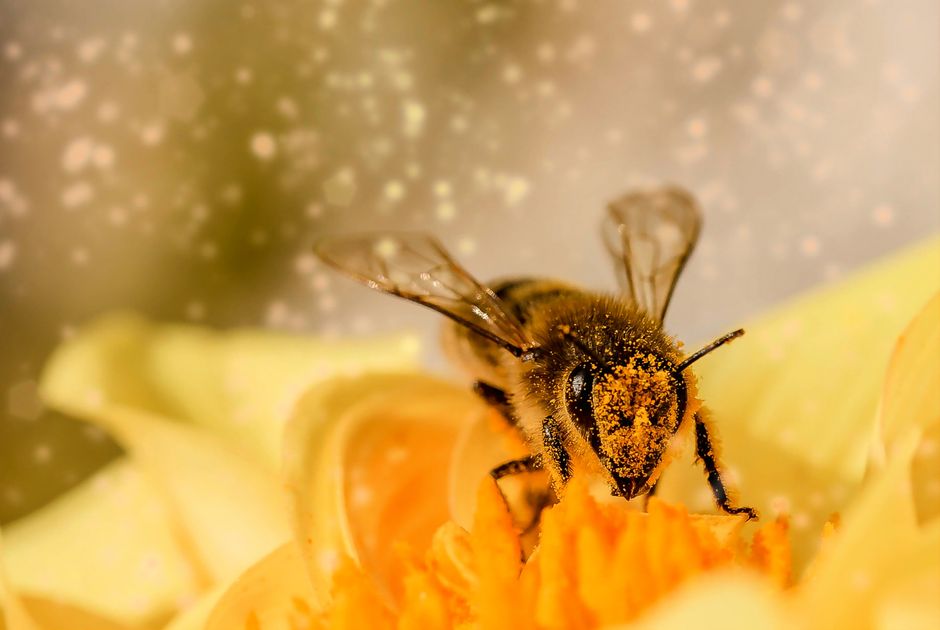
The pollen count is a measurement of how much pollen is floating in the air on a given day. It tells you the number of pollen grains per cubic meter of air over a 24-hour period. This number helps people who suffer from allergies know how bad their symptoms might be before they step outside.
Meteorologists and allergy specialists collect this data using air sampling devices placed on rooftops. The devices capture pollen grains on a sticky surface, and technicians count them under a microscope. The final number gets reported as low, moderate, high, or very high, depending on the type of pollen and the local climate.
How Is the Pollen Count Measured?
Air samplers are the standard tool for measuring pollen. These devices pull a steady stream of air through a sticky slide or rod. Pollen grains stick to the surface, and a technician identifies and counts them under a microscope.
The count is expressed as grains per cubic meter of air. Different pollen types are counted separately. Tree pollen, grass pollen, and weed pollen each get their own number. This matters because you may be allergic to one type but not another.
Sampling locations matter. Most monitors sit on rooftops in urban or suburban areas. A count from one neighborhood may not match what you experience in your own yard. Local wind patterns, nearby vegetation, and time of day all affect how much pollen you personally encounter.
What Do the Pollen Count Numbers Mean?
Pollen counts are grouped into categories to make them useful. The categories are low, moderate, high, and very high. The exact numbers for each category vary by pollen type and region.
For tree pollen, a count under 15 grains per cubic meter is generally considered low. Grass pollen is different — counts under 5 are low, while anything over 20 is high. Weed pollen follows its own scale, with counts under 10 considered low.
These thresholds are not universal. A count that triggers symptoms in one person may not bother another. Your sensitivity level is personal. Someone with severe allergies may feel symptoms at a “moderate” reading, while a person with mild allergies may not react until the count reaches “high.”
Most weather apps and allergy trackers use these categories to give you a quick read on the day. The raw number matters less than the trend. If counts are rising day after day, your symptoms will likely get worse even if the daily number stays in the same category.
When Is the Pollen Count Highest?
Pollen season follows the plants. In most of the United States, tree pollen peaks in spring, usually March through May. Grass pollen takes over in late spring and early summer, roughly May through July. Weed pollen, especially ragweed, dominates late summer and fall, from August through November.
These seasons shift with latitude and climate. Southern states start earlier and end later. Northern states have shorter but sometimes more intense seasons. Warmer winters and earlier springs have extended pollen seasons in many regions over recent decades.
Time of day matters too. Most plants release pollen in the morning, between 5 a.m. and 10 a.m. Counts often peak around midday. If you are sensitive, planning outdoor activities for late afternoon or evening may reduce your exposure.
Weather directly affects pollen release. Warm, dry, and windy days produce the highest counts. Rain washes pollen out of the air, so counts drop during and right after a storm. Cloudy, still days keep pollen from traveling far from its source.

Why Does the Pollen Count Matter for Allergy Sufferers?
Pollen triggers allergic rhinitis, commonly called hay fever. When pollen grains enter your nose, your immune system may treat them as a threat. It releases histamine and other chemicals to fight off what it sees as an invader. That response causes sneezing, a runny nose, itchy eyes, and congestion.
Knowing the daily count lets you prepare. On high-count days, you can take your allergy medication before symptoms start. You can keep windows closed, run air conditioning, and change clothes after spending time outdoors. On low-count days, you may not need the same precautions.
For people with allergic asthma, pollen is more than a nuisance. Inhaling pollen can trigger asthma symptoms like coughing, wheezing, and shortness of breath. Tracking the count helps these individuals manage their condition more carefully during peak seasons.
Research consistently shows that higher pollen counts correlate with more allergy symptoms and more emergency room visits for asthma. The connection is well established. Pollen counts are not just a curiosity — they are a practical tool for managing a chronic condition.
How Accurate Are Pollen Counts?
Pollen counts are estimates, not exact measurements. A single rooftop sampler cannot capture every pollen grain in a city. Counts vary by neighborhood, elevation, and proximity to green spaces. The reported number is a general guide, not a precise prediction for your specific location.
There is also a delay in reporting. Counting pollen under a microscope takes time. The count you see in the morning may reflect yesterday’s pollen levels, not today’s. Some services now use forecasting models that predict counts based on weather data and historical patterns, but these predictions have limits.
Despite these limitations, pollen counts remain the best tool available. They give you a consistent baseline from day to day. The trend over several days is more useful than any single number.
How to Check the Pollen Count
Local weather stations and news outlets report daily pollen counts during allergy season. The National Allergy Bureau, run by the American Academy of Allergy, Asthma & Immunology, maintains a network of certified counting stations. Many state health departments also publish pollen data.
Weather apps increasingly include pollen forecasts. These apps often combine actual measurements with predictive models. They can tell you not just today’s count but what to expect over the next several days. This forward-looking information helps you plan ahead.
If you rely on an app, check which source it uses for its data. Some apps pull from the National Allergy Bureau. Others use proprietary models. The numbers may differ between apps because the sources and methods differ.
What Can You Do on High Pollen Days?
Check the count before you plan your day. If the number is high, limit time outdoors, especially in the morning. Keep car windows rolled up and use recirculated air in your vehicle.
Shower and change clothes after coming inside. Pollen sticks to skin, hair, and fabric. Washing removes the pollen and keeps it from spreading to your bed and furniture. Running an air purifier with a HEPA filter indoors can reduce pollen levels in your home.
Over-the-counter antihistamines, nasal steroid sprays, and saline rinses can manage symptoms. Some people benefit from starting medication a week or two before pollen season begins. If your symptoms are severe or do not respond to over-the-counter options, an allergist can help identify your specific triggers and discuss treatment plans, including allergy shots or tablets.
No medication works equally well for everyone. What helps your neighbor may not help you. If one approach does not control your symptoms, talk to a healthcare provider about alternatives.
Frequently Asked Questions
What is a normal pollen count?
There is no single normal number because the scale differs by pollen type and region. Tree pollen under 15 grains per cubic meter is usually considered low, while grass pollen under 5 is low.
When is the pollen count highest during the day?
Pollen counts typically peak in the morning between 5 a.m. and 10 a.m. Counts usually drop in the late afternoon and evening.
Does rain lower the pollen count?
Yes, rain washes pollen out of the air and can temporarily lower counts. The effect may last for a day or two before counts rise again.
Why does the pollen count say high but I feel fine?
Your personal sensitivity determines how you react. Some people only develop symptoms at very high counts, while others react to moderate levels.
