
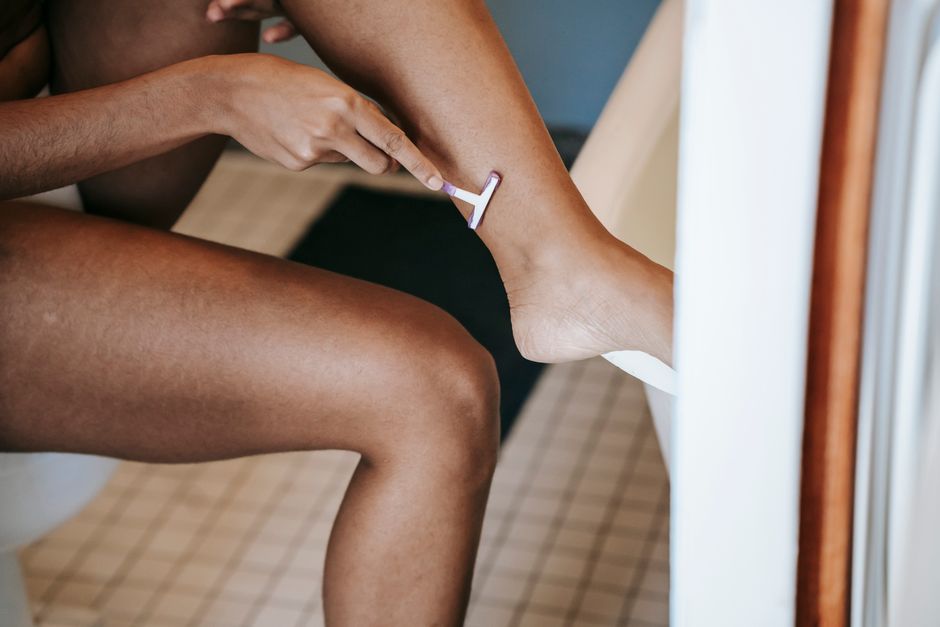
Pubic hair serves several real biological purposes, including reducing friction during movement and sex, protecting the skin from irritation, and helping to regulate temperature and moisture in the genital area. It also traps pheromones and provides a physical barrier against pathogens and debris. While many people choose to remove it for personal or cultural reasons, the hair is not useless — it is a normal part of human anatomy with protective functions that researchers have documented.
Why Do Humans Have Pubic Hair at All?
Pubic hair appears during puberty when sex hormones — mainly testosterone and estrogen — rise. This is the same hormonal signal that triggers other secondary sex characteristics. The hair grows in response to androgen receptors in the skin of the genital area, which are highly sensitive to these hormones.
From an evolutionary standpoint, pubic hair is not a leftover. It develops specifically at reproductive age. Some researchers believe it signals sexual maturity, though this idea is less supported than the physical protection functions. The more established science focuses on what the hair does mechanically and biologically once it is there.
Unlike the hair on your head, pubic hair is coarser and curlier. That texture is not random. Coarse, curled hair traps air and moisture more effectively than straight hair, which matters for the protective roles described below.
What Is The Point Of Pubic Hair How It Protects You
The main point of pubic hair is protection. It acts as a physical buffer between sensitive skin and the outside world. The skin of the genitals is thinner and more delicate than skin elsewhere on the body. Pubic hair provides a cushioning layer that reduces direct friction.
During walking, running, or sexual activity, skin rubs against skin or clothing. Without hair, this rubbing can cause micro-tears, chafing, and irritation. The hair reduces this friction significantly. This is one of the most straightforward and well-supported explanations for why the hair exists.
Pubic hair also helps maintain a stable environment. It wicks moisture away from the skin surface, allowing sweat and vaginal secretions to evaporate more slowly. This helps regulate temperature and keeps the area from becoming too wet or too dry — both of which can lead to skin problems.
There is also evidence that pubic hair acts as a barrier against pathogens. One study found that the presence of pubic hair was associated with lower rates of certain sexually transmitted infections compared to people who removed all their hair. The mechanism is not fully confirmed, but the leading explanation is that hair traps bacteria and viruses before they reach the skin or mucous membranes. Micro-abrasions from shaving or waxing may also create entry points for infection, which would explain the association.
Does Pubic Hair Play a Role in Sexual Health?
Pubic hair may contribute to sexual health in several ways, though the evidence varies in strength. The clearest finding is the friction reduction already mentioned. Less friction during intercourse means less irritation and fewer micro-tears in the skin. Micro-tears matter because they can increase the risk of transmitting infections.
Some research suggests pubic hair traps pheromones — chemical signals that may play a role in attraction. The apocrine glands in the genital area produce these compounds, and hair may help hold them near the skin, where they can be released slowly. Whether pheromones meaningfully influence human attraction is still debated. The evidence in animals is strong; in humans it is suggestive but not conclusive.
There is also a nerve-related factor. Pubic hair follicles have nerve endings. The hair itself is not highly sensitive, but the follicle and surrounding skin are. Tugging or brushing against the hair provides sensory input that some people find pleasurable. This is not a primary function — it is a secondary effect — but it is real.
The sexual health picture is not one-sided. Some people find that removing pubic hair increases sensitivity because the skin is more exposed. That is a personal preference, not a biological advantage. The evidence does not show that hair removal improves sexual function or satisfaction overall.




What Happens When You Shave or Wax?
Shaving, waxing, and other forms of hair removal are common, but they are not risk-free. The most frequent problems are ingrown hairs, folliculitis (inflammation of the hair follicle), and skin irritation. These occur because the hair is cut or removed below the skin surface, and when it regrows, it can curl back into the skin.
Shaving creates micro-abrasions even when you cannot see them. These tiny cuts can become infected, especially in a warm, moist environment. The genital area is exactly that kind of environment. Bacterial infections, including staph, can develop in these small wounds.
Waxing removes the hair from the root, which means regrowth takes longer, but the process itself can damage the follicle. Repeated waxing can lead to scarring of the follicle over time. Some people also develop hyperpigmentation — darkening of the skin — in areas where hair has been repeatedly removed.
None of this means you should not remove pubic hair. It means the choice involves trade-offs. The hair has protective functions, and removing it removes that protection. Many people decide the aesthetic or comfort benefits outweigh the risks. That is a reasonable personal decision. What is not accurate is the idea that removing pubic hair is “healthier” — the evidence points the other way.
Is It Healthier to Keep Pubic Hair or Remove It?
Based on the available evidence, keeping pubic hair is associated with fewer skin problems and possibly a lower risk of certain infections. The studies on this are observational, which means they show associations rather than proof of cause and effect. But the direction of the findings is consistent.
One large survey found that people who removed all their pubic hair were more likely to report skin irritation and complications compared to those who trimmed or did not remove hair at all. Another study found higher rates of sexually transmitted infections among people who groomed frequently, with the highest rates among those who removed all hair monthly or more often.
There is no clinical guideline telling people whether to keep or remove pubic hair. It is a personal choice. But the honest summary of the science is this: the hair is there for a reason, and removing it introduces avoidable risks. The risks are usually minor — irritation, ingrown hairs — but they are real.
If you do choose to remove pubic hair, trimming is lower-risk than shaving or waxing. Trimming keeps the hair short without cutting below the skin surface, which avoids the micro-abrasions and ingrown hairs that come with shaving. For people who want a groomed appearance, trimming offers most of the aesthetic benefit with fewer of the downsides.
Does Pubic Hair Affect Body Odor?
Yes, pubic hair interacts with body odor, though the effect is more about distribution than intensity. The apocrine glands in the genital area produce sweat that contains proteins and lipids. Bacteria on the skin break these down, which produces odor.
Pubic hair provides more surface area for bacteria to grow on. It also traps sweat and keeps it in contact with the skin longer. This means that, gram for gram, pubic hair can increase the amount of odor produced in the area. However, the hair also helps disperse the odor gradually rather than all at once.
People who remove pubic hair often notice a temporary reduction in odor, but this is not a health benefit. The sweat and bacteria are still there — the hair just was not. Regular washing with mild soap and water manages odor effectively whether or not you have pubic hair. There is no evidence that removing hair is necessary for hygiene.
In fact, the opposite may be true. Over-washing the genital area with harsh soaps can strip natural oils and disrupt the skin’s microbiome. Pubic hair helps maintain a stable skin environment, which supports the healthy bacteria that keep harmful organisms in check.
Does Pubic Hair Change as You Age?
Pubic hair thins and may turn gray with age, just like scalp hair. This happens because hormone levels decline over time, particularly after menopause in women and with lower testosterone in men. The hair follicles become less active, and the hair that does grow is often finer and sparser.
This change is normal and not a sign of illness. However, sudden or dramatic hair loss in the genital area can sometimes indicate a medical issue. Thyroid disorders, hormonal imbalances, and nutritional deficiencies can all affect hair growth. If you notice rapid or patchy loss of pubic hair, it is worth mentioning to a doctor.
The protective functions of pubic hair diminish as the hair thins, but the skin also changes with age. Older skin is thinner and more fragile, which means the loss of the hair barrier can make irritation more likely. This is one reason some older adults experience more skin problems in the genital area.
Frequently Asked Questions
Does pubic hair protect against STIs?
Some observational studies have found lower rates of certain sexually transmitted infections among people who keep their pubic hair. The evidence is suggestive but not conclusive, and no study has proven a direct protective effect.
Is it unhygienic to have pubic hair?
No. Pubic hair is not unhygienic. Regular washing with mild soap and water keeps the area clean whether or not you have hair.
Does shaving pubic hair make it grow back thicker?
No. Shaving cuts the hair at the surface, and the blunt tip can feel coarser as it regrows. The hair itself does not change in thickness or density.
What is the safest way to groom pubic hair?
Trimming with scissors or a trimmer is the lowest-risk method because it does not cut below the skin surface. Shaving and waxing carry higher risks of irritation, ingrown hairs, and infection.
