
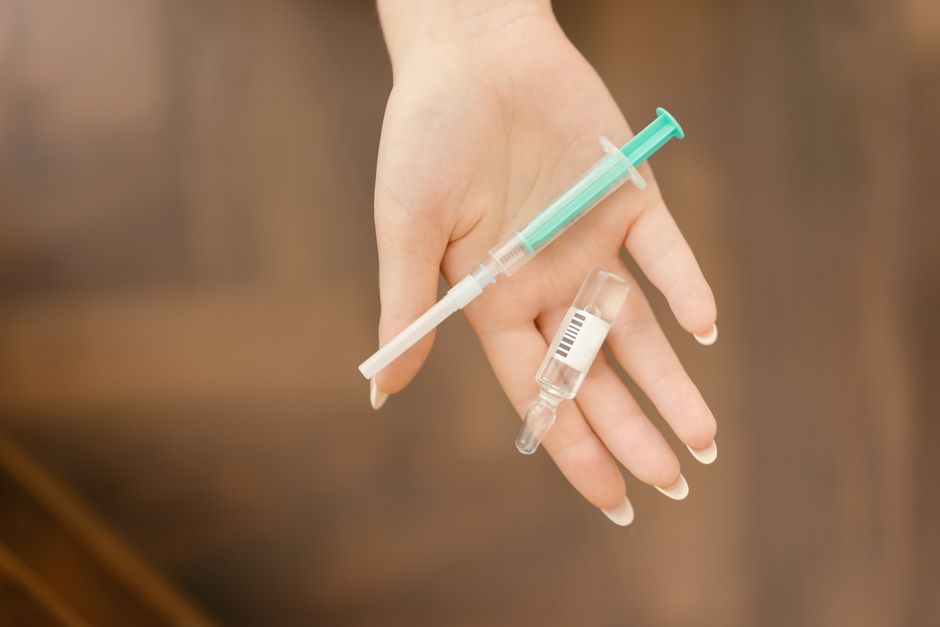
Pneumovax 23 is a vaccine that protects against 23 types of pneumococcal bacteria. These bacteria can cause serious infections like pneumonia, bloodstream infections, and meningitis. The vaccine is recommended for adults 65 and older, and for younger people with certain medical conditions that raise their risk of these infections.
What Is The Pneumovax Vaccine And Who Needs It?
Pneumovax 23 is the brand name for the pneumococcal polysaccharide vaccine (PPSV23). It has been used for decades to protect adults from severe pneumococcal disease. The “23” in the name refers to the 23 strains, or serotypes, of the bacteria Streptococcus pneumoniae that the vaccine covers.
This vaccine is different from the pneumococcal conjugate vaccines, such as PCV15 or PCV20. Those are often given to infants and children as part of routine childhood vaccination. Pneumovax 23 is primarily an adult vaccine, though it can be given to children over age two who have high-risk conditions.
The bacteria that Pneumovax targets are responsible for most cases of invasive pneumococcal disease in adults. Invasive means the bacteria have spread beyond the nose and throat into normally sterile parts of the body like the lungs, blood, or the fluid around the brain.
Who Should Get Pneumovax 23?
The Centers for Disease Control and Prevention (CDC) recommends Pneumovax 23 for all adults aged 65 and older. It is a routine part of adult vaccination, similar to the annual flu shot or the shingles vaccine.
Younger adults aged 19 through 64 should get it if they have certain medical conditions. These include:
- Chronic heart disease, including congestive heart failure
- Chronic lung disease, including COPD and emphysema
- Diabetes mellitus
- Alcoholism
- Chronic liver disease, including cirrhosis
- Smoking (cigarette smoking increases risk significantly)
People with weakened immune systems also need this vaccine. This group includes those living with HIV, people receiving chemotherapy or radiation, organ transplant recipients, and those taking long-term steroids or other immunosuppressive medications.
People without a functioning spleen, or whose spleen has been removed, are at especially high risk. The spleen plays a key role in filtering bacteria from the blood. Those with sickle cell disease or other hemoglobin disorders are also in this category.
How Is Pneumovax Different From Other Pneumonia Vaccines?
There are currently three pneumococcal vaccines used in adults in the United States. Understanding the difference matters because many adults need more than one.
Pneumovax 23 (PPSV23) covers 23 serotypes. It is a polysaccharide vaccine, meaning it triggers a strong response from B cells but does not create lasting immune memory as effectively as conjugate vaccines.
The newer conjugate vaccines—PCV15 and PCV20—attach the bacterial sugars to a carrier protein. This produces a stronger and longer-lasting immune response. PCV20 covers 20 serotypes, and PCV15 covers 15.
The CDC now recommends that adults 65 and older receive either PCV20 alone or PCV15 followed by Pneumovax 23. The decision depends on vaccine availability and your personal risk profile. Your healthcare provider can explain which schedule is appropriate for you.
The key point is that Pneumovax 23 is no longer the only option. It remains important, but it is now part of a broader vaccination strategy.




How Well Does Pneumovax Work?
Pneumovax 23 has been studied extensively. Clinical trials and observational studies show it is effective at preventing invasive pneumococcal disease caused by the serotypes it covers. Invasive disease includes bacteremia (bacteria in the blood) and pneumococcal meningitis.
The evidence for preventing non-invasive pneumonia—meaning pneumonia that has not spread to the blood—is less strong. Some studies show modest protection. Others show little to no benefit for this specific outcome. This distinction matters because many people assume the vaccine prevents all pneumonia. It does not. It targets specific bacterial strains that cause pneumonia, but pneumonia has many other causes, including viruses and other bacteria.
Research published in the New England Journal of Medicine has confirmed the vaccine’s effectiveness against invasive disease in older adults. However, effectiveness wanes over time. Protection is strongest in the first few years after vaccination and declines gradually.
Is Revaccination Ever Needed?
For most healthy adults, one dose of Pneumovax 23 is enough. The immune response from a single dose lasts several years, and repeat dosing in healthy people does not necessarily improve protection.
However, certain groups may need a second dose. This includes people with conditions that cause rapid loss of immunity, such as those without a functioning spleen, those with chronic kidney disease, and those with immunocompromising conditions. A second dose may be given five years after the first.
No one should receive more than two doses of Pneumovax 23 in their lifetime. Repeat vaccination too frequently can lead to a phenomenon called immune hyporesponsiveness, where the body produces a weaker antibody response with each additional dose.
The CDC provides specific guidance on revaccination based on underlying medical conditions. Your doctor can determine whether you fall into a category that requires a booster dose.
What Are the Side Effects of Pneumovax?
Pneumovax 23 is generally well tolerated. The most common side effects are local reactions at the injection site. These include:
- Pain or tenderness where the shot was given
- Redness
- Swelling
These reactions typically appear within a day or two and resolve within a few days. Some people experience mild systemic symptoms like low-grade fever, fatigue, or muscle aches. These are normal signs that the immune system is responding to the vaccine.
Severe allergic reactions are rare. As with any vaccine, there is a small risk of anaphylaxis, a life-threatening allergic reaction. That is why you are asked to wait 15 minutes after receiving any vaccine before leaving the clinic.
Pneumovax 23 is an inactivated vaccine. It does not contain live bacteria, so it cannot cause pneumococcal disease. It is safe for people with weakened immune systems, which is exactly the population that needs it most.
When Should Pneumovax Not Be Given?
There are few absolute contraindications to Pneumovax 23. The main one is a history of severe allergic reaction to a previous dose of the vaccine or to any of its components.
If you are moderately or severely ill at the time of your appointment, your provider may recommend waiting until you recover. This is a precaution, not a strict rule. Mild illness, such as a common cold or low-grade fever, does not prevent vaccination.
Pneumovax 23 has not been studied extensively in pregnant women. The CDC recommends that vaccination be delayed until after pregnancy unless the woman has a high-risk condition that makes vaccination urgent. If you are pregnant and believe you need this vaccine, discuss the risks and benefits with your obstetrician.
How Does Pneumovax Fit Into Your Overall Vaccine Schedule?
Pneumovax 23 is often given at the same visit as other vaccines. It can be administered alongside the flu shot, the shingles vaccine, and the Tdap vaccine. There is no need to space these vaccines apart.
If you are 65 or older and have never received a pneumococcal vaccine, your provider will likely recommend either a single dose of PCV20 or PCV15 followed by Pneumovax 23. If you already received Pneumovax 23 years ago, you may still be eligible for PCV20, depending on how much time has passed.
If you received PCV13 (the older conjugate vaccine) in the past, you may need Pneumovax 23 to complete your series. The recommendations have changed over the years, so it is worth reviewing your vaccine history with your provider at your next visit.
Keeping an accurate record of which pneumococcal vaccines you have received is important. The brands and serotype coverage differ, and your future vaccine needs depend on your history.
Frequently Asked Questions
Is Pneumovax the same as the pneumonia shot?
Pneumovax 23 is one type of pneumonia shot, but it is not the only one. PCV15 and PCV20 are newer pneumococcal vaccines that your doctor may recommend instead of or in addition to Pneumovax.
Can I get Pneumovax and the flu shot at the same time?
Yes, Pneumovax 23 can be given at the same visit as the flu shot. Co-administration of these vaccines is safe and does not reduce the immune response to either.
How long does Pneumovax protection last?
Protection against invasive pneumococcal disease lasts several years but gradually declines. Most healthy adults need only one dose, while some high-risk groups may need a second dose five years after the first.
Does Pneumovax prevent all types of pneumonia?
No. Pneumovax 23 only protects against 23 strains of pneumococcal bacteria. Many cases of pneumonia are caused by viruses or other bacteria that this vaccine does not cover.
