
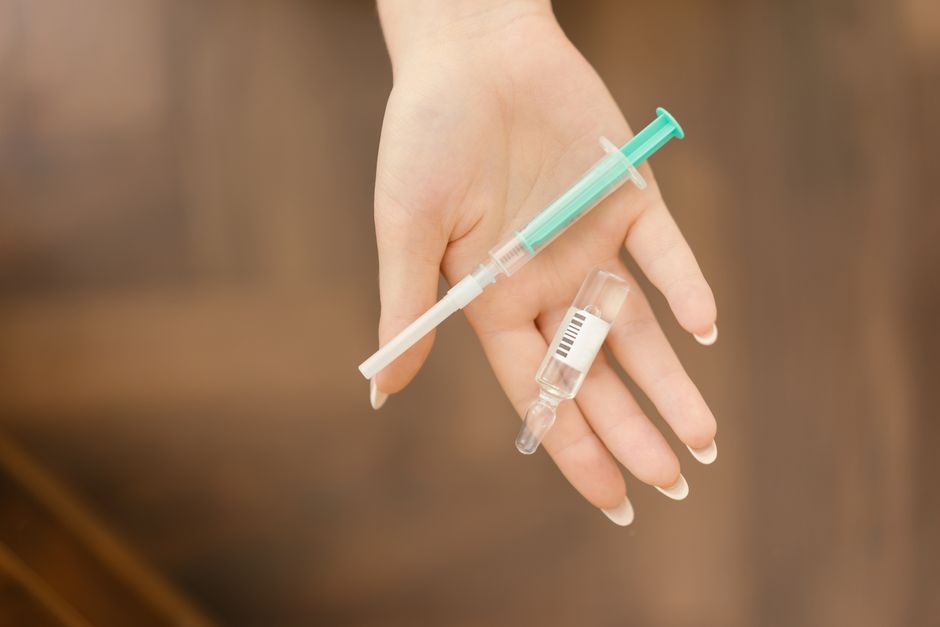
Meningococcal disease is a fast-moving bacterial infection that can cause meningitis and sepsis. A pentavalent meningococcal vaccine is designed to protect against five of the main groups of Neisseria meningitidis bacteria that cause it. The five groups are A, B, C, W, and Y. No single pentavalent vaccine is licensed everywhere, and the products that exist differ by country, so what “pentavalent” means in practice depends on where you live.
What Is The Pentavalent Meningococcal Vaccine?
A pentavalent meningococcal vaccine is a single product that targets five meningococcal groups at once. The logic is simple: instead of giving separate shots for different bacterial groups, one vaccine covers the five that cause most invasive disease worldwide.
The two five-group combinations that exist in real products are ABCWY and ACWXY. That difference matters. One covers group B and leaves out X. The other covers group X and leaves out B. They are not interchangeable.
The ABCWY product combines components already used in licensed four-group vaccines (A, C, W, Y) with the protein-based components used against group B. The ACWXY product targets groups A, C, W, X, and Y and does not include group B protection.
Group B is a significant cause of meningococcal disease in many high-income countries, including the United States and parts of Europe. Group X is a recognized cause of outbreaks, particularly in parts of sub-Saharan Africa. Which five-group vaccine makes sense for a population depends heavily on which groups actually circulate there.
Which Countries Have Approved a Pentavalent Meningococcal Vaccine?
Approval status varies by country, and readers should check with their own health authority rather than assume a product is available locally.
In the United States, a pentavalent ABCWY vaccine has been licensed for use in certain age groups. It combines the four-group conjugate vaccine with group B vaccine components. The exact age indications and recommended schedules are set by national advisory bodies and have been updated over time, so the current package insert and official recommendations are the reliable source.
Outside the US, a different pentavalent vaccine targeting groups A, C, W, X, and Y has been developed with a focus on meningococcal belt countries in sub-Saharan Africa, where group X outbreaks have occurred. Its approval and rollout status differ from the US product.
This is the part that trips people up. Hearing “pentavalent meningococcal vaccine” and assuming it means the same shot everywhere is a mistake. The name describes the number of groups covered, not a single universal product.
Many countries continue to use four-group (ACWY) and group B vaccines separately rather than a combined five-group product. Availability, cost, and disease patterns all influence which approach a national program takes.
How Does It Work?
The vaccine trains the immune system to recognize the sugar coating (polysaccharide capsule) on the surface of meningococcal bacteria, and in the case of group B, specific surface proteins.
For groups A, C, W, and Y, the vaccine uses conjugate technology. The bacterial sugar is attached to a carrier protein. This matters because plain polysaccharide vaccines do not work well in young children and do not produce a lasting immune memory. Linking the sugar to a protein makes the immune system respond more strongly and remember the exposure longer. Conjugate vaccines also tend to reduce carriage of the bacteria in the nose and throat, which is how they can indirectly protect unvaccinated people.
Group B is different. Its capsule sugar closely resembles a molecule found on human nerve tissue, so a sugar-based vaccine risked attacking the body’s own cells. Group B vaccines instead target outer membrane proteins. These protein-based vaccines protect against group B disease, though the way they reduce bacterial carriage appears less consistent than with conjugate vaccines.
A combined pentavalent product simply packages these different technologies into fewer injections. The immune response to each component is what provides protection.
Who Is It For?
Meningococcal vaccination is generally aimed at people at higher risk, and the pentavalent products fit into that framework rather than replacing it wholesale.
Groups typically prioritized for meningococcal vaccination include:
- Adolescents and young adults, who carry and transmit the bacteria more readily
- People with certain immune deficiencies, including complement component deficiencies
- People taking complement inhibitor medications, such as eculizumab
- People without a functioning spleen
- Laboratory workers who handle Neisseria meningitidis
- Travelers to areas where specific groups are circulating, such as parts of sub-Saharan Africa
- People during outbreaks caused by a vaccine-preventable group
Age indications differ by product and country, and recommendations are periodically revised. For children, pregnant women, and other specific groups, current guidance from the relevant national authority should be consulted directly, because schedules and approved age ranges are not uniform across products.
How Effective Is It?
The pentavalent vaccine’s protection rests on the track record of its individual components, which have been studied separately for years. The four-group conjugate vaccines have a strong record of reducing disease caused by groups A, C, W, and Y. Group B protein-based vaccines have also been shown to reduce group B disease in real-world use.
What is less established is how the combined product performs as a single unit over long periods in large populations. Combining components does not automatically mean identical protection to giving them separately, though the available data on the combined product indicate it produces immune responses to all five groups.
Two honest caveats:
- No meningococcal vaccine covers every group. Groups beyond A, B, C, W, X, and Y exist and can cause disease, though they are less common.
- Protection is not lifelong for all components, and booster doses are part of some schedules. Duration of protection varies by product and by age at vaccination.
Vaccination does not eliminate all risk of meningococcal disease. It substantially reduces the risk from the groups the vaccine targets.
What Are the Side Effects?
Common reactions are similar to those seen with other vaccines: pain, redness, or swelling at the injection site, fatigue, headache, muscle aches, and sometimes mild fever. These typically resolve within a few days.
Serious adverse events are rare. As with all vaccines, monitoring systems track safety after approval, and the components of the pentavalent product have each been through that process individually.
People with a known severe allergy to a vaccine component should not receive it. Anyone with concerns about a specific medical condition should raise them with a clinician, since individual circumstances affect whether a vaccine is appropriate.
This article is informational and is not a substitute for advice from a healthcare professional who knows your medical history.
Why Does the Number of Groups Matter?
The “penta” in pentavalent means five, and the value of covering five groups depends entirely on which groups are causing disease where you live.
Meningococcal disease patterns shift. Group A once dominated globally and has been dramatically reduced in parts of Africa through mass vaccination campaigns. Group C caused large outbreaks in the 1990s and 2000s in several regions. Group W emerged as a major cause in parts of Europe and Africa more recently. Group Y causes a meaningful share of disease in the US. Group X has caused outbreaks in the African meningitis belt.
A vaccine covering five groups offers broader coverage than a four-group product. Whether that broader coverage translates into meaningful extra protection for a specific person depends on which groups are circulating in their community and their individual risk profile.
This is why public health agencies tailor recommendations to local epidemiology rather than adopting a single global standard. It is also why a vaccine approved in one country may not be the right fit in another.
Frequently Asked Questions
What does pentavalent meningococcal vaccine mean?
It means a meningococcal vaccine that targets five bacterial groups in one product. The specific five groups depend on the product: some cover A, B, C, W, and Y, while others cover A, C, W, X, and Y.
Is the pentavalent meningococcal vaccine the same in every country?
No. Different pentavalent products exist with different group coverage, and approval status varies by country. Check with your local health authority for what is available where you live.
Does it protect against all types of meningococcal disease?
No. It protects against the five groups it targets, but other meningococcal groups exist and can still cause disease. Vaccination reduces risk substantially but does not eliminate it entirely.
How many doses of the pentavalent meningococcal vaccine are needed?
The number of doses depends on the specific product, the person’s age, and national recommendations, which are updated periodically. Current guidance from the relevant health authority should be followed.
