
Pneumococcal disease kills more people worldwide than most of us realize, and for decades the vaccines that prevent it covered only a fraction of the bacterial strains responsible. The PCV20 vaccine is a newer option that broadens that coverage considerably. It protects against 20 of the most common pneumococcal serotypes that cause serious illness. In the United States, it is approved for adults and for children, and it is now among the routine pneumococcal vaccines recommended by public health authorities.
What Is The PCV20 Vaccine?
PCV20 is a pneumococcal conjugate vaccine. The “20” refers to the number of pneumococcal serotypes it targets. Serotypes are distinct strains of the bacterium Streptococcus pneumoniae, and they differ in how often they cause disease and how well the immune system recognizes them.
The vaccine works by attaching bacterial sugars to a carrier protein. That combination prompts a stronger, longer-lasting immune response than the bacterial sugars alone would produce. This is the same conjugate principle behind earlier pneumococcal vaccines, just applied to more serotypes at once.
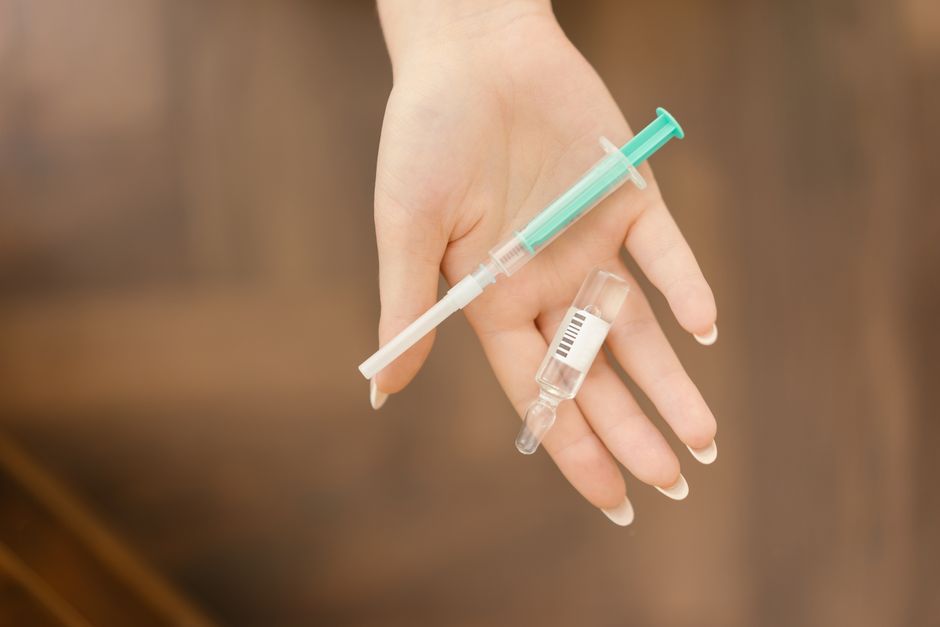
PCV20 is manufactured by Pfizer and sold under the brand name Prevnar 20. It is given as an injection into a muscle, usually the upper arm in adults.
What Does The PCV20 Vaccine Protect Against?
Streptococcus pneumoniae is a common bacterium. Many people carry it in their nose and throat without any problem. When it moves to other parts of the body, it can cause serious infections.
The vaccine targets the serotypes most often linked to invasive pneumococcal disease. That term covers infections in normally sterile parts of the body, such as the bloodstream and the membranes around the brain and spinal cord. It also covers pneumococcal pneumonia, a lung infection that is especially dangerous in older adults.
PCV20 does not prevent every pneumococcal infection. No pneumococcal vaccine does. It also does not protect against pneumonia caused by viruses, fungi, or other bacteria. What it does is reduce the risk of illness from the specific serotypes it contains.
Who Should Get The PCV20 Vaccine?
PCV20 is recommended for adults 65 and older who have not already received a pneumococcal conjugate vaccine. Adults younger than 65 may also be recommended to receive it if they have certain health conditions or risk factors.
These conditions include chronic lung disease, chronic heart disease, chronic liver disease, chronic kidney disease, diabetes, and conditions that weaken the immune system. Smoking and living in certain long-term care settings also raise risk.
For children, PCV20 is approved and can be used as part of the routine pneumococcal vaccination schedule. The exact timing and number of doses depends on the child’s age and what pneumococcal vaccines they have already received. Parents should follow the schedule their pediatrician provides, since recommendations for children are specific and change over time.
Because pneumococcal vaccine recommendations have been updated in recent years, the clearest path is to ask a clinician or pharmacist which pneumococcal vaccine is right for a given person and when. Recommendations differ based on age, health status, and vaccination history.


How Is PCV20 Different From Other Pneumococcal Vaccines?
The main difference is breadth. Earlier conjugate vaccines covered fewer serotypes. PCV13 covered 13. PCV15 covers 15. PCV20 covers 20. A separate vaccine, PPSV23, covers 23 serotypes but uses an older, non-conjugate design that tends to produce a weaker immune response in some groups.
More serotypes is not automatically better in every situation. The serotypes included matter, and so does the type of immune response the vaccine produces. Conjugate vaccines generally create a stronger and more durable response, which is why they are often used first in a vaccination sequence.
| Vaccine | Type | Serotypes Covered |
|---|---|---|
| PCV13 | Conjugate | 13 |
| PCV15 | Conjugate | 15 |
| PCV20 | Conjugate | 20 |
| PPSV23 | Polysaccharide | 23 |
For some people, a single dose of PCV20 may be enough. For others, a clinician may recommend a different combination based on their history. This is why the “which vaccine and when” question is best answered by a healthcare professional rather than a general rule.
What Are The Side Effects Of PCV20?
The most common side effects are local and temporary. These include pain, redness, and swelling at the injection site. Some people also experience fatigue, muscle aches, headache, or a low-grade fever.
These reactions usually resolve within a few days. Serious reactions are rare. As with any vaccine, a severe allergic reaction is possible but uncommon, and it typically occurs within minutes to hours of the injection.
One thing worth knowing: getting a vaccine and feeling mildly unwell afterward is not a sign the vaccine failed. It is often a sign the immune system is responding. That said, feeling fine afterward is equally normal and does not mean the vaccine did not work.
Why Does Pneumococcal Vaccination Matter?
Pneumococcal disease is a leading cause of serious illness and death, particularly in older adults and young children. Before widespread vaccination, pneumococcal infections caused a large share of bacterial pneumonia, meningitis, and bloodstream infections.
Vaccination has reduced the burden of disease from the serotypes included in the vaccines. This is one of the clearer successes in modern preventive medicine, though it is not complete protection and does not eliminate all risk.
Older adults face higher risk because the immune system weakens with age, a process sometimes called immunosenescence. This makes both the likelihood of infection and the severity of illness greater. It is also why vaccination is prioritized in this group.
Is PCV20 Right For Everyone?
No single vaccine is right for every person. PCV20 is one option among several, and the best choice depends on age, health conditions, prior vaccinations, and sometimes supply or cost considerations.
People with certain severe allergies to vaccine components should not receive it. Anyone who has had a serious reaction to a previous pneumococcal vaccine should talk with a clinician before getting another.
For most people for whom it is recommended, the benefits of protection against serious pneumococcal disease generally outweigh the risks of the vaccine. That balance is a clinical judgment, and it is reasonable to discuss it with a healthcare provider, especially for anyone with complex health conditions.
How Is PCV20 Given And When?
PCV20 is given as a single injection into a muscle. In adults, it is typically given in the upper arm. It can be given at the same time as some other vaccines, though not all combinations have been studied, so timing is worth confirming with a clinician or pharmacist.
For adults who have never received a pneumococcal conjugate vaccine, a single dose of PCV20 is often the recommended approach. For those who have received earlier pneumococcal vaccines, the recommendation may differ. This is why vaccination history matters when deciding what to give and when.
There is no need to restart a vaccination series or wait a set number of years in every case. The rules here are specific and have changed as newer vaccines became available. A pharmacist is often the fastest source of an accurate answer for adults.
Frequently Asked Questions
What is the PCV20 vaccine used for?
It protects against 20 serotypes of Streptococcus pneumoniae, the bacterium that causes pneumococcal pneumonia, bloodstream infections, and meningitis. It is approved for adults and children.
Who should get the PCV20 vaccine?
It is recommended for adults 65 and older and for younger adults with certain health conditions or risk factors, and it can be used in children as part of the pneumococcal schedule. A clinician or pharmacist can confirm whether it fits a specific person’s situation.
How many doses of PCV20 do adults need?
For many adults who have not had a pneumococcal conjugate vaccine before, a single dose is often recommended. The number and timing can differ based on prior vaccinations and health status, so it should be confirmed with a healthcare professional.
Is PCV20 the same as the pneumonia shot?
“Pneumonia shot” is a casual term that can refer to any pneumococcal vaccine, including PCV20, PCV15, PCV13, or PPSV23. They differ in how many serotypes they cover and how they are made.
