
If you or someone you know has COPD, you have likely heard about new treatment options and wondered what is actually real versus what is overhyped. The newest treatments for COPD focus on three main areas: biologic medications that target specific inflammation pathways, bronchoscopic lung volume reduction procedures, and refined triple-combination inhalers. None of these are cures, but they offer meaningful improvements in breathing, quality of life, and flare-up prevention for many people.
What Are Biologic Treatments for COPD and How Do They Work?
Biologics are injectable drugs that target specific parts of the immune system. They have been used for years in asthma and eczema. Only recently have studies shown they may help certain people with COPD.
The most promising biologic for COPD is dupilumab, sold under the brand name Dupixent. In 2024, the FDA approved it for adults with uncontrolled COPD who have a specific type of inflammation called eosinophilic inflammation. Research published in the New England Journal of Medicine found that dupilumab reduced moderate-to-severe COPD flare-ups by about 30% compared to placebo over one year.
Not everyone with COPD is a candidate. Dupilumab works best for people with blood eosinophil counts above 300 cells per microliter. Your doctor can check this with a simple blood test. If your eosinophils are low, this treatment will likely not help you.
Other biologics like mepolizumab and benralizumab are still being studied for COPD. Early results are mixed. Some studies show benefit, others do not. As of 2026, dupilumab is the only FDA-approved biologic specifically for COPD.
Does Bronchoscopic Lung Volume Reduction Work?
For people with severe emphysema, one of the newest non-drug treatments is bronchoscopic lung volume reduction. This is a procedure done through a scope placed in your airways. No cutting into the chest is needed.
The idea is simple. In emphysema, some parts of your lungs are overinflated and trap air. They push on healthier parts of your lung and make it harder to breathe. By placing small one-way valves in the airways leading to the damaged areas, those parts of the lung collapse and deflate. This gives the healthier parts more room to expand.
Studies have found that people who respond well to this procedure can walk farther, breathe easier, and use less oxygen. The American Thoracic Society recommends it for people with severe emphysema who still have symptoms despite maximum medical therapy.
Not everyone is a candidate. You need to have a type of emphysema where the damaged areas are separate from healthier tissue. Your doctor will do a CT scan and sometimes a test called a fissure completeness analysis to see if the valves will work for you. About one in three people with severe emphysema qualify.
What Is the Newest Treatment for COPD in Inhalers?
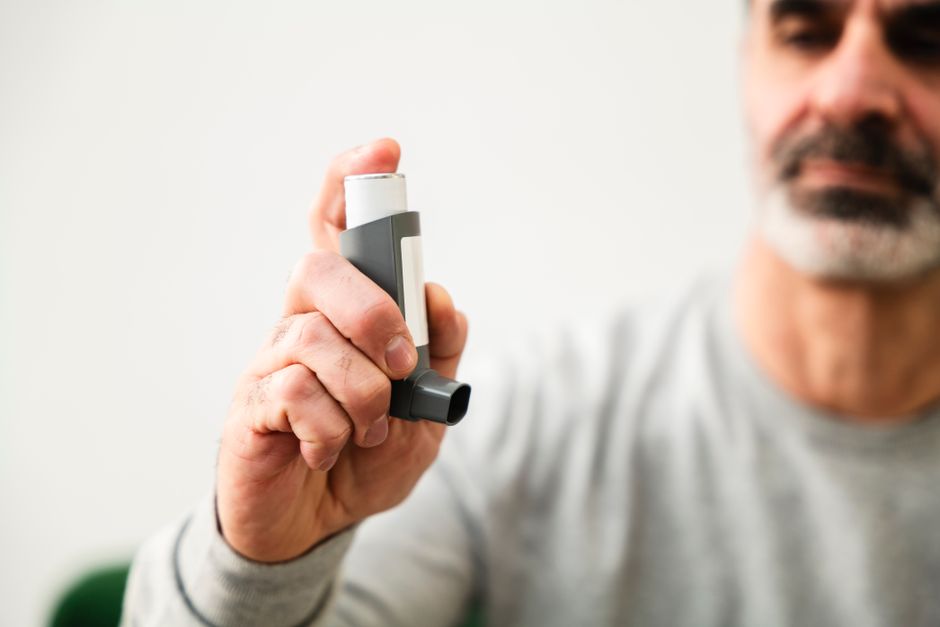
Inhalers remain the backbone of COPD treatment. The newest development is not a single new drug but a better understanding of how to combine existing drugs.
Triple therapy inhalers combine three medications in one device: a long-acting bronchodilator, another long-acting bronchodilator from a different class, and an inhaled corticosteroid. Brands like Trelegy Ellipta and Breztri Aerosphere are widely used. Research from the ETHOS and IMPACT trials, both published in the American Journal of Respiratory and Critical Care Medicine, showed that triple therapy reduced flare-ups more than any two-drug combination.
What is newer is the move toward earlier use of triple therapy. Guidelines from the Global Initiative for Chronic Obstructive Lung Disease now recommend triple therapy for people who have had two or more moderate flare-ups or one hospitalization in the past year. This is a shift from older guidelines that reserved triple therapy for later stages.
Another newer option is the use of once-daily inhalers. Older inhalers often required two doses per day. Newer formulations last 24 hours. This matters because people who take their medication once a day are more likely to take it consistently.



What Does the Research on Lung Regeneration Show?
You may have seen headlines about regrowing lung tissue. This is an area of active research, but strong evidence is limited. As of 2026, there is no approved treatment that can regenerate damaged lung tissue in humans.
Some early research in animals has shown that certain drugs called retinoic acid derivatives might stimulate lung growth. A small human study published in Chest found modest improvements in lung function, but the effect was small and not consistent across participants. The National Institutes of Health is funding larger trials, but results are years away.
Stem cell therapy is another area people ask about. Some clinics offer stem cell injections for COPD, charging thousands of dollars. The FDA has not approved any stem cell therapy for COPD. The American Lung Association warns that these treatments are unproven and can cause serious harm including infections and tumors. If a clinic claims they can regrow your lungs with stem cells, that claim is not supported by evidence.
What does work for preserving the lung tissue you have? Smoking cessation is the single most effective thing. The CDC reports that people who quit smoking lose lung function at the same rate as non-smokers after about five years. No drug or procedure does that.
What Are the Side Effects of Newer COPD Treatments?
Every treatment has trade-offs. Knowing them helps you make an informed decision.
Dupilumab is generally well tolerated. The most common side effects include injection site reactions like redness and swelling, upper respiratory infections, and headache. Rarely, it can cause eye problems including conjunctivitis and keratitis. In the clinical trials, about 1% of people stopped the drug due to side effects.
Bronchoscopic lung volume reduction has more serious risks. The most common complication is a pneumothorax, or collapsed lung, which happens in about 10% to 20% of cases. Most resolve with a chest tube, but some require longer hospital stays. Other risks include valve migration, pneumonia in the treated area, and worsening shortness of breath for a few weeks after the procedure.
Triple therapy inhalers carry the risks associated with inhaled steroids. These include oral thrush, hoarseness, and a small increased risk of pneumonia. The pneumonia risk is real but modest. For every 100 people taking triple therapy for one year, about one to two additional cases of pneumonia occur compared to people taking bronchodilators alone.
Pulmonary rehabilitation has essentially no side effects but is underused. Only about 3% of Medicare beneficiaries with COPD participate, despite strong evidence that it improves exercise capacity and quality of life.
What Treatment Options Actually Work for Most People?
Here is a comparison of the main treatment options based on current evidence.
| Treatment | Who It Helps | Main Benefit | Evidence Strength |
|---|---|---|---|
| Triple therapy inhaler | People with frequent flare-ups | Reduces flare-ups by 15-25% | Strong – multiple large trials |
| Dupilumab | People with high eosinophils | Reduces moderate-severe flare-ups by 30% | Strong – one large phase 3 trial |
| Bronchoscopic valves | People with severe emphysema and intact fissures | Improves exercise capacity and lung function | Strong – multiple randomized trials |
| Pulmonary rehabilitation | Almost anyone with COPD | Improves walking distance and quality of life | Strong – decades of evidence |
| Stem cell therapy | No approved candidates | No proven benefit | None – no FDA approval |
If you have COPD, here are the steps that research consistently supports:
- Get a blood eosinophil count to see if you might benefit from dupilumab or inhaled steroids
- Ask your doctor if triple therapy is appropriate based on your flare-up history
- If you have severe emphysema, ask about a CT scan to see if you are a candidate for bronchoscopic valves
- Enroll in pulmonary rehabilitation if available. It works as well as many drugs
- Quit smoking if you still smoke. Nothing else comes close in benefit
One non-obvious insight from the research is that many people with COPD are undertreated. A 2023 study in Annals of the American Thoracic Society found that over 40% of people with COPD who qualified for triple therapy were not receiving it. The newest treatments only help if you actually get them.
Frequently Asked Questions
Is there a cure for COPD in 2026?
No. There is no cure for COPD. Current treatments focus on managing symptoms, reducing flare-ups, and slowing disease progression.
How do I know if I qualify for dupilumab?
You need uncontrolled COPD despite optimal inhaler therapy and a blood eosinophil count above 300 cells per microliter. Your doctor can order this blood test.
Can stem cells repair lung damage from COPD?
No. There is no clinical evidence that stem cell therapy can repair lung damage from COPD. The FDA has not approved any stem cell treatment for this purpose.
What is the newest inhaler for COPD?
The newest inhalers are once-daily triple therapy combinations like Trelegy Ellipta and Breztri Aerosphere. They combine three drugs in one device taken once a day.
