
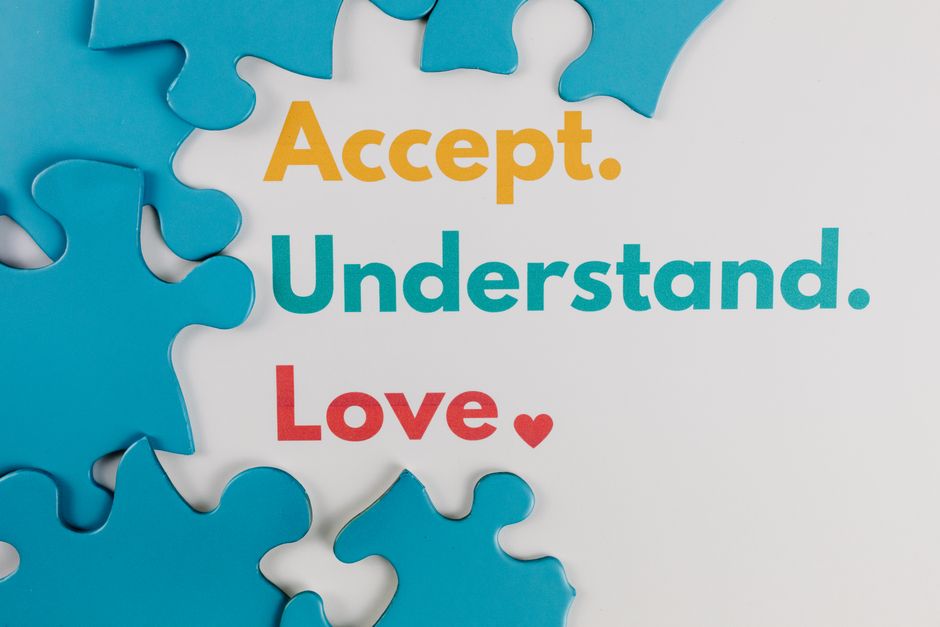
The infinity symbol has become the most visible alternative to the puzzle piece in autism advocacy. The infinity symbol — usually a rainbow or gold infinity loop — was adopted by autistic-led advocacy groups to represent neurodiversity and the idea that autism is a natural variation, not a defect to be solved. The puzzle piece, long used by some autism organizations, is now widely criticized by autistic self-advocates because its imagery suggests a missing piece or a problem to be fixed. Neither symbol is official, and both remain in active use by different communities with different views.
What Is The New Autism Symbol Infinity Vs Puzzle Piece?
The infinity symbol is a loop shaped like a sideways figure eight. In autism advocacy, it is used to signal that autistic people are a natural part of human diversity whose differences should be accepted rather than treated as a puzzle to be solved.
The puzzle piece is an older symbol. It has appeared in autism awareness materials for decades, often as a single piece or a ribbon of multicolored pieces. The imagery implies that autism is a missing piece of a person or a condition that needs to be “solved.”
The comparison is not just visual. Each symbol carries a different set of assumptions about what autism is and what autistic people need. That is why the choice between them has become a genuine point of disagreement, not a branding preference.
Where Did The Puzzle Piece Symbol Come From?
The puzzle piece was introduced in the 1960s by the National Autistic Society in the United Kingdom, one of the earliest autism organizations. The original logo featured a single puzzle piece with a crying child, which framed autism as a distressing condition affecting the child and family.
The symbol spread widely. In the United States, the puzzle piece ribbon became common in awareness campaigns, school events, and fundraising materials. Many people who use the puzzle piece today do so without knowing its history or its original framing.
That history matters to the current debate. The puzzle piece was not designed as a neutral emblem. It was created at a time when autism was described almost entirely in terms of deficit and family burden. Autistic self-advocates point to this origin when they explain why they find the symbol difficult.
Why Do Autistic People Prefer The Infinity Symbol?
The infinity symbol was adopted by autistic-led groups as a direct alternative. The infinity loop suggests endless variation and possibility rather than a missing piece. Many autistic advocates describe it as a symbol made by and for autistic people rather than one created about them.
The neurodiversity movement, which frames autism as a difference in brain development rather than a disease, uses the infinity symbol as a core emblem. The symbol appears in advocacy materials, social media, and community events organized by autistic people themselves.
Color carries meaning too. A gold infinity loop is sometimes used specifically to represent autism, while a rainbow infinity loop is used more broadly for neurodiversity across conditions. The gold version gained visibility through autistic-led campaigns, though no single body governs which color is correct.
Here is a point that often gets lost: the infinity symbol is not a replacement for the puzzle piece in any official sense. No medical organization, government body, or international standard has declared one symbol correct. The shift is cultural and community-driven, not regulatory.
What Does The Puzzle Piece Symbolize To Critics?
Critics argue the puzzle piece sends a harmful message. A missing puzzle piece implies something incomplete. A puzzle implies a problem to be solved. For autistic people who experience their neurology as integral to who they are, that framing feels like a statement about their worth.
Some critics also object to the involvement of certain organizations associated with the puzzle piece, particularly groups that have historically funded research focused on causes and cures rather than support and services. This criticism is not universal. Some parents and families find the puzzle piece meaningful and use it to signal love and advocacy for their autistic children.
Both experiences are real. The disagreement is not about whether people care. It is about what the imagery communicates and who gets to decide.
Is The Puzzle Piece Still Used?
Yes. The puzzle piece remains in wide use by schools, charities, and families, especially in the United States. Some organizations have shifted away from it after listening to autistic advocates. Others have kept it or introduced alternative designs.
The pattern is uneven. A school may still use puzzle piece ribbons at an awareness event while a national advocacy group has moved to the infinity symbol. Families often encounter both symbols in the same month, especially during autism awareness and acceptance periods.
There is no rule that requires one symbol over the other. The choice is a values statement, whether the person making it realizes that or not.
How Do The Two Symbols Compare?
The table below summarizes the main differences as they are understood by the communities that use each symbol. These are cultural meanings, not clinical facts.
| Aspect | Infinity Symbol | Puzzle Piece |
|---|---|---|
| Origin | Autistic-led advocacy and neurodiversity movement | Autism organizations in the 1960s |
| Core message | Natural variation, acceptance, endless possibility | Complexity, missing pieces, a condition to address |
| Common colors | Rainbow or gold | Multicolored, often blue |
| Typical users | Autistic self-advocates and allied groups | Some charities, schools, and families |
| Official status | None | None |
What About The Blue Color And The Color Blue?
Blue became linked to autism awareness through campaigns that promoted the color as a symbol of the cause. Some autistic advocates have pushed back, partly because of associations with certain organizations and partly because a single color does not reflect the diversity of autistic experience.
The rainbow infinity loop is one response to that. It signals that autism exists across all communities and does not have one look or one story. The gold infinity loop is another option used specifically for autism.
Color choice, like symbol choice, is not regulated. Different groups use different combinations, and there is no authoritative source that settles the question.
Does The Symbol Choice Affect How Autism Is Understood?
Symbols shape assumptions. A puzzle piece suggests autism is a problem to solve. An infinity loop suggests it is a difference to understand. Neither symbol changes the underlying science of autism, which describes differences in brain development that affect communication, sensory processing, and social interaction.
What the symbols affect is how people talk about autism and how autistic people feel seen. Research on stigma consistently shows that the language and imagery used around a condition influence public attitudes. That does not mean a symbol causes harm on its own. It means symbols are part of a larger conversation.
The most useful takeaway is not which symbol to choose. It is that autistic people themselves are the group most affected by the choice, and their preferences deserve weight in the decision.
What Should You Do If You Are Unsure Which Symbol To Use?
There is no universal answer, and anyone who tells you there is one is oversimplifying. A few practical points can help.
- If you are organizing an event, ask autistic people in your community what they prefer.
- If you are unsure, the infinity symbol is the safer default for autistic-led spaces.
- If you use the puzzle piece, be aware of its history and be ready to explain your choice.
- Avoid presenting either symbol as officially correct, because neither is.
The debate over symbols is a small part of a larger conversation about how autistic people are supported, included, and heard. Symbols matter because they signal values. They are not a substitute for listening to the people the symbols represent.
Frequently Asked Questions
What is the new autism symbol?
The infinity symbol is the most widely used alternative to the puzzle piece, especially among autistic self-advocates. It is usually shown as a rainbow or gold infinity loop and represents neurodiversity and acceptance.
Why is the puzzle piece controversial?
Many autistic advocates say the puzzle piece implies autism is a missing piece or a problem to be solved. Others, including some families, still use it to signal support and do not see it as harmful.
Is the infinity symbol official?
No. No medical, government, or international body has designated either the infinity symbol or the puzzle piece as the official autism symbol. Both are community conventions.
What does the gold infinity symbol mean?
A gold infinity loop is sometimes used specifically to represent autism within the broader neurodiversity movement. Color use varies by group, and no single standard governs it.
