
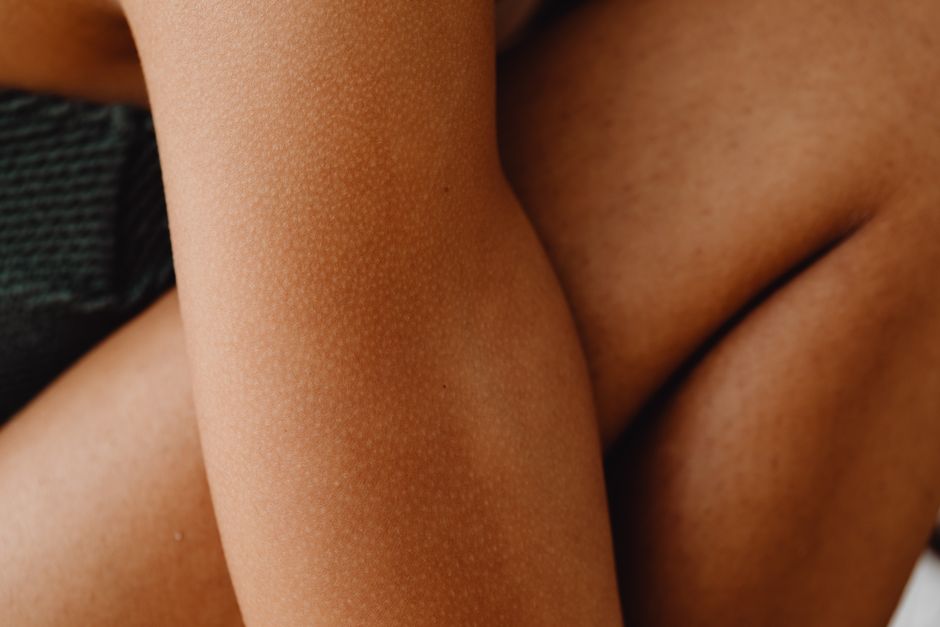
The skin on your elbow doesn’t have its own special name. It’s called skin — specifically, the epidermis and dermis that cover your entire body. What makes elbow skin unusual is not its name but its structure and behavior. It’s thicker, looser, and more elastic than skin in most other places, which is exactly what allows you to bend and straighten your arm thousands of times a day without tearing or chafing.
What Is The Name Of The Skin On Your Elbow?
The skin on your elbow is simply called skin. There is no separate anatomical term for it the way there is for the palm (palmar skin) or the sole (plantar skin). It is the same organ that covers your whole body, just adapted for a specific mechanical job.
Like all skin, elbow skin has three main layers. The epidermis is the thin outer layer that acts as a barrier. The dermis sits underneath and contains collagen, elastin, blood vessels, and nerve endings. Below that is the hypodermis, the fatty layer that connects skin to the tissue beneath it.
What makes elbow skin different is not its parts but its proportions. The epidermis here is thicker than on most of your body. The dermis has more loose connective tissue, which lets the skin stretch and fold. And the whole structure sits over the bony point of the elbow, called the olecranon — the tip of the ulna bone.
That bony point matters. Skin that sits directly over bone with little cushioning faces constant pressure and friction. Your elbow skin is built to handle that.
Why Is the Skin on Your Elbow So Different From Other Skin?
Elbow skin is thicker and looser because it has to be. Every time you bend your arm, the skin over the elbow has to stretch and compress. If it were as tight as the skin on your forearm, it would tear or crack with repeated movement.
The dermis in this area contains a higher proportion of elastic fibers. Elastin is the protein that lets skin snap back into shape after being stretched. That’s why you can pinch the skin on your elbow and pull it out further than you can on most other parts of your body.
There’s also less subcutaneous fat over the elbow compared to areas like your abdomen or thighs. Fat provides cushioning, but it also limits how much skin can move. The elbow trades some padding for mobility.
This combination — thick epidermis, elastic dermis, minimal fat — is what gives elbow skin its distinctive feel and its distinctive problems.
Why Does Elbow Skin Get Dry and Cracked So Easily?
Elbow skin has fewer oil glands than many other parts of your body. Sebaceous glands produce sebum, the oil that helps seal in moisture and keep skin flexible. With less sebum, elbow skin loses water more easily and dries out faster.
Add friction and pressure to the mix, and you get a recipe for roughness. Leaning on desks, resting your elbows on hard surfaces, and repeated rubbing against clothing all strip away the outer layer of dead skin cells before they can naturally slough off.
The result is a buildup of thick, dry, sometimes darkened skin. This is called lichenification when it happens from chronic rubbing. It’s not a disease — it’s the skin’s way of protecting itself by getting tougher.
For most people, this is a cosmetic issue. But dry, cracked elbow skin can become painful, and deep cracks create openings where bacteria can enter. If the skin breaks and becomes red, swollen, or warm, that’s a sign of possible infection and worth a medical visit.




What Causes Darkened Skin on the Elbows?
Darkened elbow skin usually comes from friction and pressure, not from dirt. The repeated rubbing causes the epidermis to thicken and produce more melanin as a protective response. This is called hyperkeratosis with post-inflammatory hyperpigmentation.
But darkened elbows can sometimes signal something else. A condition called acanthosis nigricans causes velvety, dark patches on the elbows, knees, neck, and armpits. It is strongly associated with insulin resistance and type 2 diabetes. If you notice dark, thickened skin on your elbows along with similar patches elsewhere, it’s worth mentioning to a doctor.
Other causes of dark elbows include:
- Eczema or psoriasis, which can cause post-inflammatory color changes
- Fungal infections, which may cause dark or scaly patches
- Certain medications, including some types of hormonal treatments
- Genetic factors, since darker skin tones naturally show more pigment response to friction
Most dark elbows are harmless. But when the change is sudden, spreading, or accompanied by other symptoms, it deserves a closer look.
Why Do Some People Get Bumps on Their Elbows?
Small, rough bumps on the elbows are often keratosis pilaris, a common condition where keratin plugs block hair follicles. It’s harmless and tends to run in families. It usually appears on the upper arms and thighs but can show up on elbows too.
Another possibility is psoriasis, an autoimmune condition that speeds up the life cycle of skin cells. Psoriasis plaques are typically thicker, scaly, and sometimes silvery. They can appear on elbows because the constant friction of this area seems to trigger flare-ups in people who are genetically prone to the condition.
Eczema can also affect the elbows, though it more commonly appears in the creases of the arms and behind the knees. When it does show up on the elbows, it tends to be itchy and red.
These conditions look different and are treated differently. A dermatologist can usually tell them apart by appearance and history. If you’re unsure what’s causing bumps on your elbows, a doctor’s visit is the fastest way to get an answer.
How Should You Care for the Skin on Your Elbows?
Basic care for elbow skin is straightforward: moisturize and reduce friction. That’s the core of it.
A thick moisturizer — one that contains petrolatum, dimethicone, or glycerin — helps replace the oils that elbow skin lacks. Applying it after bathing, while the skin is still damp, traps water in the epidermis more effectively. There’s no specific clinical guideline for how often to moisturize elbows, but most dermatologists suggest at least once or twice daily for dry skin.
Avoid leaning on hard surfaces for long periods. If you work at a desk, a soft elbow pad can reduce pressure. When the skin is very thick, gentle exfoliation with a washcloth or a product containing salicylic acid or urea can help thin the buildup. These ingredients are well established for softening thickened skin, though they can irritate sensitive skin, so it’s worth starting slowly.
Don’t scrub aggressively or pick at rough patches. That damages the barrier and triggers more thickening. The skin will respond to irritation by getting tougher, not smoother.
For darkened skin, the most effective approach is usually to reduce the friction that caused it. Over time, the pigment often fades on its own. Some over-the-counter creams containing niacinamide or alpha hydroxy acids may help lighten the area, but results vary and the evidence for these specific uses is limited.
When Should You See a Doctor About Your Elbow Skin?
Most elbow skin issues are minor and respond to basic care. But some signs warrant a medical evaluation.
See a doctor if you notice:
- Skin that is red, warm, swollen, or leaking pus — possible infection
- A sore that doesn’t heal after a few weeks
- Sudden darkening of the skin on both elbows, especially with other dark patches on the neck or armpits
- Severe itching that interferes with sleep or daily life
- Thick, scaly plaques that bleed or crack repeatedly
- A new growth, mole, or bump that changes in size, shape, or color
These signs don’t automatically mean something serious. But they’re worth checking, because several treatable conditions can look similar to each other. A doctor can tell the difference.
Does Elbow Skin Age Differently Than the Rest of Your Body?
Elbow skin ages in the same way as skin elsewhere, but the visible signs may appear earlier because of constant mechanical stress. Collagen and elastin production declines with age throughout the body, and elbow skin — which depends heavily on those proteins for flexibility — shows the effects sooner.
Chronic sun exposure also plays a role. If your elbows are frequently exposed to sunlight, they accumulate the same UV damage as your face or hands. That damage breaks down collagen and can lead to wrinkles, sagging, and uneven pigmentation.
There’s no way to stop skin aging entirely. But protecting your elbows from sun, keeping them moisturized, and avoiding chronic friction can slow the visible changes. The same habits that help the rest of your skin help your elbows too.
Frequently Asked Questions
What is the skin on your elbow called?
It doesn’t have a unique anatomical name — it’s simply called skin, made up of the epidermis, dermis, and hypodermis. What sets it apart is its thickness, elasticity, and position over the bony tip of the elbow.
Why is the skin on my elbows so dark and thick?
Dark, thick elbow skin usually comes from repeated friction and pressure, which causes the epidermis to thicken and produce more melanin. In some cases, it can be a sign of insulin resistance, so sudden or widespread darkening is worth a doctor’s visit.
How do you get rid of rough, dry skin on your elbows?
Moisturize daily with a thick cream, reduce friction from hard surfaces, and gently exfoliate with products containing urea or salicylic acid. Avoid aggressive scrubbing, which can make the skin thicker over time.
Is it bad if my elbow skin is very stretchy?
Elbow skin is naturally more elastic than most other skin because it needs to stretch when you bend your arm. Very stretchy skin all over the body can sometimes indicate a connective tissue condition, so mention it to a doctor if it’s widespread.
