
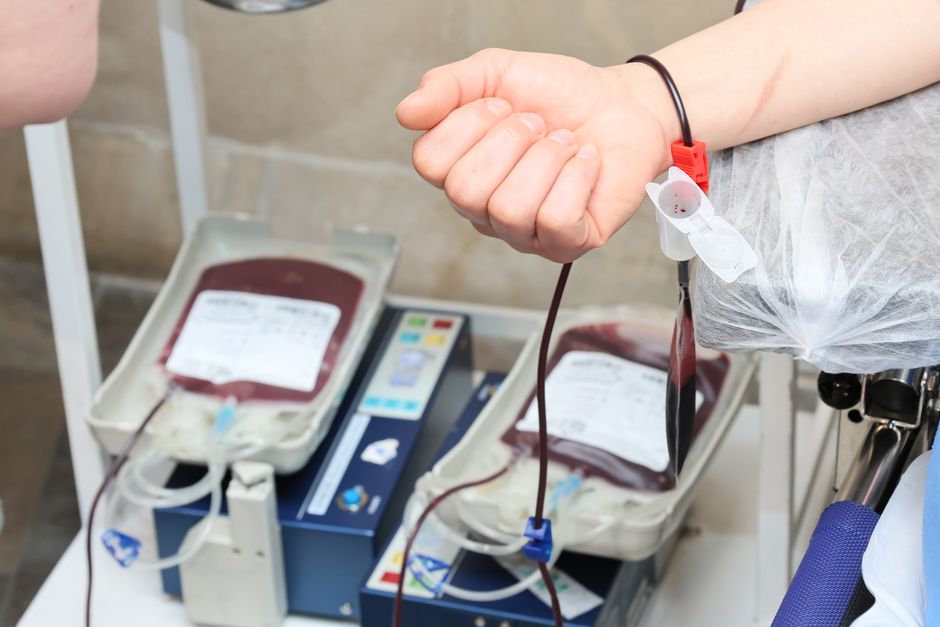
The rarest blood type in the world is Rh-null, often called “golden blood.” Fewer than 50 people on Earth are known to have it. For context, that is rarer than being struck by lightning twice in a lifetime.
Most people have never heard of Rh-null because it sits outside the ABO system entirely. It is not a variation of A, B, AB, or O. It is a separate and far more extreme situation. Understanding why it is so rare means understanding how blood types actually work.
What Is The Most Rarest Blood Type?
Rh-null is the rarest blood type. A person with Rh-null has red blood cells that carry no Rh antigens at all — not just missing the D antigen that makes someone “positive” or “negative,” but missing every antigen in the Rh family.
The Rh blood group system involves dozens of antigens, with D being the most significant for transfusions and pregnancy. Most people have some combination of these antigens on their red cells. Rh-null individuals have none of them.
This creates an unusual situation. Rh-null blood can be given to almost anyone with an Rh type, because there are no Rh antigens to trigger a reaction. That makes it extraordinarily valuable for transfusion medicine. It also means people with Rh-null can only safely receive Rh-null blood, since any Rh antigen would be foreign to their immune system.
The global rarity is not evenly distributed. Most known cases have been identified in specific populations and through international blood donor registries. The exact number is not precisely known — “fewer than 50” is the figure most commonly cited, but it reflects reported cases, not a complete global count.
How Do Blood Types Work?
Blood type is determined by antigens — proteins and sugars on the surface of red blood cells. Your immune system uses these markers to identify your own cells as “self.” Anything without the right markers gets flagged as foreign.
The two major systems are ABO and Rh. The ABO system has four types: A, B, AB, and O. The Rh system adds the positive or negative designation based on the presence or absence of the D antigen.
This gives eight common combinations. Beyond those, there are more than 40 recognized blood group systems, each with its own set of antigens. Some are common and clinically important, like Kell and Duffy. Others are extremely rare.
Blood type is inherited. You receive one allele from each parent, and the combination determines your type. A person with type O has two O alleles. A person with type AB has one A and one B. Rh-null requires inheriting a rare variant from both parents — which is why it is so uncommon.
How Rare Is Each Blood Type?
O positive is the most common blood type in the United States, found in roughly 37 to 38 percent of the population. AB negative is the rarest of the eight standard types, at around 1 percent or less.
Here is how the eight common types compare in the US population:
| Blood Type | Approximate US Frequency |
|---|---|
| O positive | 37–38% |
| A positive | 34% |
| B positive | 9–10% |
| O negative | 7% |
| A negative | 6% |
| AB positive | 3–4% |
| B negative | 1–2% |
| AB negative | ~1% |
These figures come from the American Red Cross and reflect the US donor population. Frequencies vary by region and ancestry. B positive is more common in some Asian populations, for example, while O positive dominates in many Indigenous American populations.
The key point: even the rarest standard type, AB negative, is common enough that blood banks routinely maintain supplies. Rh-null is a different order of rarity entirely.
Why Is Rh-Null Called “Golden Blood”?
The nickname comes from its medical value, not its color. Rh-null blood can be transfused into patients with rare Rh antibodies who cannot safely receive any other blood.
People who develop antibodies against Rh antigens — through pregnancy, prior transfusion, or other sensitization — may react badly to standard blood. For most, there is a compatible option. For someone with a complex antibody profile, Rh-null may be the only safe choice.
This makes Rh-null a kind of universal donor within the Rh system. Blood banks and rare donor registries coordinate internationally to locate and share it when needed. Because so few donors exist, maintaining a supply is a genuine logistical challenge.
An important clarification: “golden blood” does not mean it is better blood. It means it is medically precious because it is irreplaceable for a small number of patients. For the person who has it, it is simply their blood type — with the added difficulty that finding compatible blood for them is extremely hard.
What Are the Rarest Blood Types Beyond Rh-Null?
Rh-null is the rarest. Below it, several other rare types exist, each affecting a small number of people worldwide.
- Bombay blood (Oh phenotype): Found mostly in India and parts of Southeast Asia. People with Bombay blood lack the H antigen, which is the building block for A and B antigens. They cannot receive standard O blood and need Bombay-compatible blood.
- Rhnull variants and partial D types: Some people have partial Rh antigens that behave unusually in transfusion. These are not as rare as true Rh-null but still require special matching.
- Kell-null (K0): A rare phenotype lacking all Kell antigens. Like Rh-null, it can only be safely transfused with Kell-null blood.
- Vel-negative: A rare type that can cause severe reactions if a Vel-negative person receives Vel-positive blood.
Most of these are identified only through specialized blood testing, often after a transfusion reaction or during pregnancy screening. Routine blood typing does not detect them.
What Does This Mean for Blood Donation?
If you have a rare blood type, your donation matters enormously. Rare donor registries exist specifically to connect people with uncommon blood types to the patients who need them.
Most people do not know they have a rare type unless they have been tested. Standard blood typing checks ABO and Rh D only. Discovering something like Rh-null or Bombay blood typically requires additional testing, often triggered by an unusual reaction or a family history.
Donating blood is one of the few ways to find out. Blood centers screen donations and can flag unusual results. If you have ever been told your blood type is unusual, or if you have a family member with a rare type, it is worth mentioning to a blood center.
For the general population, the practical takeaway is simpler: regular blood donation supports the supply that everyone depends on, including people with rare types who may need matched blood during surgery, childbirth, or treatment for conditions like sickle cell disease or cancer.
Can Blood Type Affect Your Health?
Blood type is linked to some health patterns, but the connections are modest and should not cause alarm.
Research has found associations between certain blood types and risks for conditions like venous thromboembolism, some infections, and specific cancers. People with type O tend to have slightly lower risk of blood clots. People with type A may have a somewhat higher risk of certain gastrointestinal conditions.
These are population-level associations. They do not predict what will happen to any individual. Blood type is one small factor among many — genetics, lifestyle, environment, and medical history matter far more.
The evidence is mixed on how much these associations matter in practice. Some studies suggest meaningful differences; others find the effects are small. No clinical guidelines currently recommend screening or treatment decisions based on blood type alone.
Frequently Asked Questions
What is the rarest blood type in the world?
Rh-null, also called “golden blood,” is the rarest. Fewer than 50 people worldwide are known to have it.
Is AB negative the rarest blood type?
AB negative is the rarest of the eight standard blood types, at about 1 percent of the US population. Rh-null is far rarer than any standard type.
Can a person with Rh-null receive normal blood?
No. A person with Rh-null can only safely receive Rh-null blood, because any Rh antigen would be foreign to their immune system.
How do you find out if you have a rare blood type?
Standard blood typing only checks ABO and Rh D. Rare types are usually found through additional testing, often after a transfusion reaction, during pregnancy screening, or through a blood donation that gets flagged.
