

The most fertile day of your menstrual cycle is the day of ovulation itself, plus the five days leading up to it. This six-day window is the only time during your cycle when intercourse can result in pregnancy. Because sperm can survive inside the female reproductive tract for up to five days, and the egg survives for only about 12 to 24 hours after release, the days just before ovulation are actually your most fertile days.
What Is The Most Fertile Day Of Your Menstrual Cycle?
Ovulation is the moment your ovary releases a mature egg. That exact day is your single most fertile day. However, the wider fertile window includes the five days before ovulation and the day of ovulation itself. Many experts consider the two days before ovulation and the day of ovulation as the peak fertile days. Having intercourse during this three-day stretch gives you the highest chance of conception.
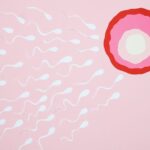
The reason the days before ovulation matter so much is sperm survival. Sperm can remain viable inside the body for up to five days in fertile-quality cervical mucus. The egg, in contrast, has a very short lifespan. If it is not fertilized within roughly 24 hours of release, it disintegrates. This means you do not need to time intercourse to the exact hour of ovulation. Intercourse two or three days before ovulation still gives sperm time to travel and wait for the egg.
How Do You Know When Ovulation Happens?
You cannot rely on a calendar alone to pinpoint your most fertile day. Cycle lengths vary, and ovulation does not always occur on day 14 of a 28-day cycle. The most reliable signs of ovulation are measurable physical changes in your body.
The most accurate home method is tracking basal body temperature. Your temperature rises slightly, usually by about 0.5 to 1 degree Fahrenheit, after ovulation due to increased progesterone. This confirms ovulation has already happened but does not predict it. For prediction, you need to watch cervical mucus. In the days before ovulation, mucus becomes clear, stretchy, and slippery, similar to raw egg whites. This fertile-quality mucus helps sperm survive and swim. The last day of this slippery mucus is often called your peak day, and it closely aligns with ovulation.
Ovulation predictor kits detect the luteinizing hormone surge in urine, which happens 24 to 36 hours before ovulation. A positive test means ovulation is likely within the next day or two. These kits are useful but not perfect. Some women have multiple LH surges, and the test cannot tell you if ovulation actually occurred after the surge.
Calculating Your Fertile Window Based On Cycle Length
If your cycles are regular, you can estimate your fertile window with a simple calculation. Ovulation typically occurs about 14 days before your next period starts. This luteal phase, the time after ovulation, is fairly consistent for most women, usually lasting 12 to 14 days.
To estimate your fertile window, subtract 14 days from your expected next period date. That gives you an estimated ovulation day. Your fertile window is the five days before that date plus the day itself. For example, if you expect your period on day 30 of your cycle, ovulation likely falls around day 16. Your fertile window would be days 11 through 16.
This method assumes a predictable cycle. If your cycle length varies by more than a few days from month to month, calendar calculation becomes unreliable. You would need to combine it with physical signs like cervical mucus or temperature tracking to get a clearer picture.




Can You Get Pregnant Outside The Fertile Window?
No. Pregnancy can only occur if sperm meets a viable egg. Since the egg lives for at most 24 hours and sperm survives for up to five days, there is no biological mechanism for conception outside the six-day fertile window.
Intercourse after ovulation has passed is unlikely to result in pregnancy unless it happens within that same day. By the day after ovulation, the egg is no longer viable. Intercourse more than five days before ovulation also cannot cause pregnancy because sperm will not survive that long. This is why timing matters more than frequency when you are trying to conceive.
Why Do Cycle Tracking Apps Sometimes Get It Wrong?
Cycle tracking apps use algorithms based on your past cycle data. They predict future ovulation based on averages. The problem is that ovulation timing can shift from month to month even in women with regular cycles. Stress, illness, travel, sleep changes, and significant weight fluctuations can delay ovulation.
Apps that only use period start dates cannot detect these shifts. They assume a fixed luteal phase length and a consistent ovulation day. In reality, the follicular phase, the time before ovulation, is the variable part of your cycle. It can range from 10 to 22 days or longer. An app predicting ovulation on day 14 may be off by several days if your follicular phase is longer that month.
Apps that allow you to log basal body temperature, cervical mucus, and LH test results are more accurate because they use real physiological data rather than prediction alone. But even these cannot guarantee exact ovulation timing. They give you a probability, not a certainty.
Fertile Signs You Can Track At Home
Several physical signs can help you identify your fertile window without technology. These signs reflect the hormonal changes happening in your body.
- Cervical mucus changes: As estrogen rises before ovulation, mucus increases in volume and becomes clear and stretchy. This is your most fertile-quality mucus.
- Mittelschmerz: Some women feel a mild twinge or cramping on one side of the lower abdomen around ovulation. This is not universal and cannot be relied on alone.
- Breast tenderness: Some women notice breast sensitivity after ovulation due to progesterone. This confirms ovulation occurred but does not help predict it.
- Increased libido: Many women naturally feel more interested in sex around ovulation, likely driven by rising estrogen and testosterone.
None of these signs alone is reliable enough to pinpoint your most fertile day. Used together, they give you a much clearer picture than any single sign.
What If You Have Irregular Cycles?
Irregular cycles make it harder to predict ovulation. If your cycle length varies significantly, you may ovulate at unpredictable times or occasionally not ovulate at all in a given cycle. Conditions like polycystic ovary syndrome, thyroid disorders, perimenopause, and extreme stress or exercise can all affect ovulation regularity.
If your cycles are irregular, calendar methods are nearly useless. Hormonal tracking becomes more important. Daily LH testing starting shortly after your period ends can help catch the surge when it happens. Basal body temperature tracking can confirm whether ovulation occurred. Combining these methods gives you your best chance of identifying your fertile window.
If your cycles are consistently longer than 35 days or shorter than 21 days, or if you go several months without a period, it is worth discussing this with a healthcare provider. Irregular ovulation can be a sign of an underlying condition that may affect fertility.
How Timing Intercourse Improves Your Chances
Having intercourse during your fertile window is the single most important factor in timing for conception. Studies consistently show that the highest pregnancy rates occur when intercourse happens in the two days before ovulation and on ovulation day itself.
Intercourse every day or every other day during the fertile window is a reasonable approach. Sperm quality is not harmed by daily ejaculation in most men. For couples who find daily intercourse stressful, every other day during the fertile window still covers the critical days because sperm survives for multiple days.
There is no evidence that specific sexual positions, lying still afterward, or elevating your legs improves conception chances. Sperm travel through the cervix within minutes of ejaculation. These practices are harmless but not supported by clinical evidence.
When To Seek Medical Help
Timing intercourse correctly is only one piece of the fertility picture. If you are under 35 and have been trying to conceive for 12 months without success, it is reasonable to see a healthcare provider. If you are 35 or older, the recommended waiting period is six months. Women over 40 should consider seeking evaluation sooner.
This does not mean something is wrong. It simply means a basic fertility evaluation can identify potential issues early. Both partners should be evaluated. Male factor infertility accounts for about a third of infertility cases, and a simple semen analysis provides important information.
Frequently Asked Questions
Can you get pregnant the day before your period?
No, pregnancy is highly unlikely the day before your period because ovulation occurred about two weeks earlier and the egg is no longer viable.
How many days after your period are you fertile?
Fertility typically begins around day 8 to 10 of a 28-day cycle, but this varies based on your cycle length and ovulation timing.
Is the most fertile day the same for everyone?
No, the most fertile day differs for every woman because ovulation timing varies based on individual cycle length and hormonal patterns.
