
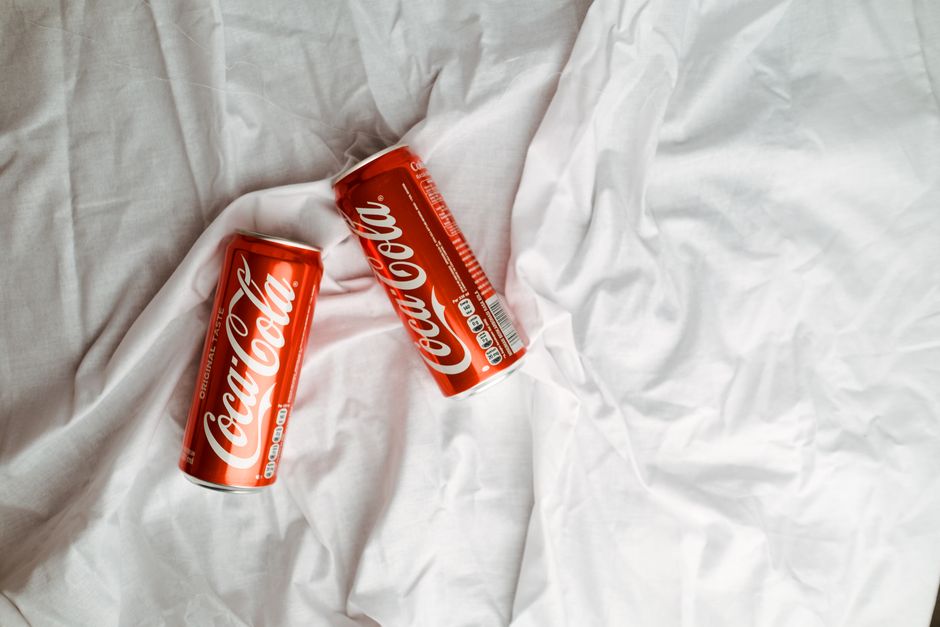
Most caffeinated sodas are far weaker than coffee, but a few stand out from the pack. Mountain Dew, Mtn Dew, or Diet Mountain Dew are the most caffeinated sodas sold nationwide in the US, each containing about 54 milligrams of caffeine per 12-ounce can. That is roughly half the caffeine in a typical 8-ounce cup of coffee, which averages about 95 milligrams. The most caffeinated soda overall is a niche brand called Bawls Guarana, which has around 67 milligrams per 10-ounce bottle.
How Much Caffeine Is in the Most Caffeinated Sodas?
Caffeine content in soda is measured per serving, and serving sizes vary by brand and container. A 12-ounce can is the standard reference point, but bottles range from 10 ounces to 20 ounces or more.
Here is how the major caffeinated sodas compare per 12-ounce serving:
| Soda | Caffeine per 12 oz |
|---|---|
| Mtn Dew / Diet Mtn Dew | ~54 mg |
| Mountain Dew Code Red | ~54 mg |
| Surge | ~54 mg |
| Pepsi / Diet Pepsi | ~38 mg |
| Coca-Cola / Diet Coke | ~34 mg |
| Dr Pepper | ~41 mg |
| Sunkist Orange | ~41 mg |
| Barq’s Root Beer | ~22 mg |
| Sprite, Fanta, 7Up (regular) | 0 mg |
Mtn Dew sits at the top of the mainstream list. But the gap between it and Pepsi is only about 16 milligrams. That is a small difference in practical terms. A person drinking a 20-ounce bottle of either gets more caffeine than someone drinking a 12-ounce can of the other.
What Is the Most Caffeinated Soda Ever Sold?
The highest-caffeine sodas are specialty or energy soda brands, not the ones in a typical grocery aisle. Bawls Guarana, a brand sold online and in some specialty stores, contains about 67 milligrams per 10-ounce bottle. That works out to roughly 80 milligrams per 12 ounces.
Other high-caffeine soda brands have come and gone. Jolt Cola, once marketed as a high-caffeine alternative, contained about 71 milligrams per 12-ounce can in its original formula. The brand has been reformulated and relaunched several times, and current caffeine levels may differ.
Some energy drink hybrids blur the line between soda and energy drink. These products often contain 80 to 160 milligrams of caffeine per can. Whether they count as “soda” depends on how you define the category. Most people mean traditional carbonated soft drinks when they ask this question.
How Does Soda Caffeine Compare to Coffee and Tea?
Soda is a relatively weak caffeine source compared to coffee, tea, and energy drinks. This surprises some people who assume their daily soda habit delivers a serious jolt.
An 8-ounce cup of brewed coffee contains about 95 milligrams of caffeine on average. A 12-ounce Mtn Dew has about 54 milligrams. To match one cup of coffee, you would need to drink roughly 21 ounces of Mtn Dew, which is more than a standard 20-ounce bottle.
Black tea contains about 47 milligrams per 8-ounce cup. That is close to the caffeine in a 12-ounce Mtn Dew, but in a smaller volume. Energy drinks typically range from 80 to 160 milligrams per can, putting them well above any mainstream soda.
One clarification worth making: caffeine content in coffee varies widely depending on brew method, bean type, and serving size. A large drip coffee from a cafe can contain 200 milligrams or more. Soda caffeine is more consistent because it is added during manufacturing.




Why Do Some Sodas Have Caffeine and Others Don’t?
Caffeine in soda is an added ingredient, not a natural component of most recipes. Manufacturers add it for flavor and, in some cases, for mild stimulant effect.
The flavor contribution is real but subtle. Caffeine has a slightly bitter taste that can enhance certain flavor profiles, particularly in colas and citrus-based sodas. Some research suggests caffeine may also have mild mood-lifting effects that make a beverage more appealing, though the evidence on this is not strong.
Some sodas have caffeine naturally from ingredients like guarana, a plant extract that contains caffeine. Bawls Guarana is one example. Most mainstream sodas use synthetic caffeine or caffeine derived from decaffeination processes.
Clear sodas like Sprite, 7Up, and Fanta are typically caffeine-free. Root beers vary. Barq’s contains caffeine, but A&W and most other root beers do not. This inconsistency trips people up who are trying to avoid caffeine.
How Much Caffeine Is Safe to Drink?
Health agencies generally consider up to 400 milligrams of caffeine per day safe for most healthy adults. That is the equivalent of about four 8-ounce cups of coffee or roughly seven 12-ounce cans of Mtn Dew.
This guidance does not apply equally to everyone. People who are pregnant, breastfeeding, or sensitive to caffeine may need to limit intake more strictly. The American College of Obstetricians and Gynecologists has historically recommended limiting caffeine to 200 milligrams per day during pregnancy. That is about three to four 12-ounce cans of Mtn Dew.
Children and adolescents are more sensitive to caffeine’s effects. No official safe limit exists for children, and some pediatric organizations recommend that children avoid caffeine altogether. A 12-ounce Mtn Dew contains about 54 milligrams, which is a significant dose for a small child.
Caffeine sensitivity varies widely between individuals. Some people feel jittery after one can of soda. Others drink several cups of coffee a day with no noticeable effect. Genetics, medications, and tolerance all play a role.
Does Soda Caffeine Affect You Differently Than Coffee Caffeine?
The caffeine molecule is identical whether it comes from soda, coffee, or tea. Your body processes it the same way. The difference is in how quickly you consume it and what else is in the beverage.
Coffee is typically consumed hot and sipped over a shorter period. Soda is often consumed cold and more slowly, especially from a large bottle. This can affect how quickly caffeine enters your bloodstream, though the total amount matters more than the speed for most people.
Soda also contains sugar or artificial sweeteners, which coffee does not. Regular soda adds calories and sugar that can affect energy levels and blood sugar. Diet soda avoids the sugar but still delivers caffeine.
One non-obvious point: the bubbles in soda may slightly increase the rate at which caffeine is absorbed, according to some research. The effect is small and not well-established. It is not a reason to choose one over the other if you are tracking caffeine intake.
Which Sodas Have the Most Caffeine per Ounce?
When you compare by ounce rather than by can, the ranking shifts slightly. Bawls Guarana leads at roughly 6.7 milligrams per ounce. Jolt Cola in its original formula was about 5.9 milligrams per ounce.
Among mainstream sodas, Mtn Dew and its variants are highest at about 4.5 milligrams per ounce. Pepsi and Dr Pepper are around 3.2 to 3.4 milligrams per ounce. Coca-Cola is about 2.8 milligrams per ounce.
This per-ounce comparison matters if you drink from larger containers. A 20-ounce bottle of Mtn Dew contains about 90 milligrams of caffeine. A 20-ounce bottle of Coca-Cola contains about 56 milligrams. The difference is more than half a cup of coffee.
Is Caffeine-Free Soda a Better Choice?
Caffeine-free soda eliminates the stimulant but not the other ingredients. Regular soda still contains sugar and calories. Diet soda still contains artificial sweeteners and acids that can affect dental health.
For people who are sensitive to caffeine or need to limit intake for medical reasons, caffeine-free soda is a reasonable option. It removes one variable without requiring a major dietary change.
But caffeine-free does not mean healthier in any broad sense. The health concerns associated with regular soda consumption are mostly related to sugar, calories, and dental erosion, not caffeine. Swapping a caffeinated soda for a caffeine-free one does not address those issues.
Water remains the best choice for hydration. Soda, caffeinated or not, is best treated as an occasional beverage rather than a primary source of fluids.
Frequently Asked Questions
What soda has the most caffeine?
Mtn Dew and Diet Mtn Dew have the most caffeine among mainstream sodas sold nationwide, with about 54 milligrams per 12-ounce can. Bawls Guarana, a specialty brand, contains more at roughly 67 milligrams per 10-ounce bottle.
Is Mountain Dew stronger than coffee?
No, Mountain Dew has less caffeine than coffee. A 12-ounce can of Mtn Dew has about 54 milligrams, while an 8-ounce cup of coffee averages about 95 milligrams.
How much caffeine is in a 20 oz Mountain Dew?
A 20-ounce bottle of Mountain Dew contains about 90 milligrams of caffeine. That is slightly less than one 8-ounce cup of brewed coffee.
Does Coca-Cola have more caffeine than Pepsi?
No, Coca-Cola has less caffeine than Pepsi. A 12-ounce can of Coca-Cola has about 34 milligrams, while a 12-ounce can of Pepsi has about 38 milligrams.
