
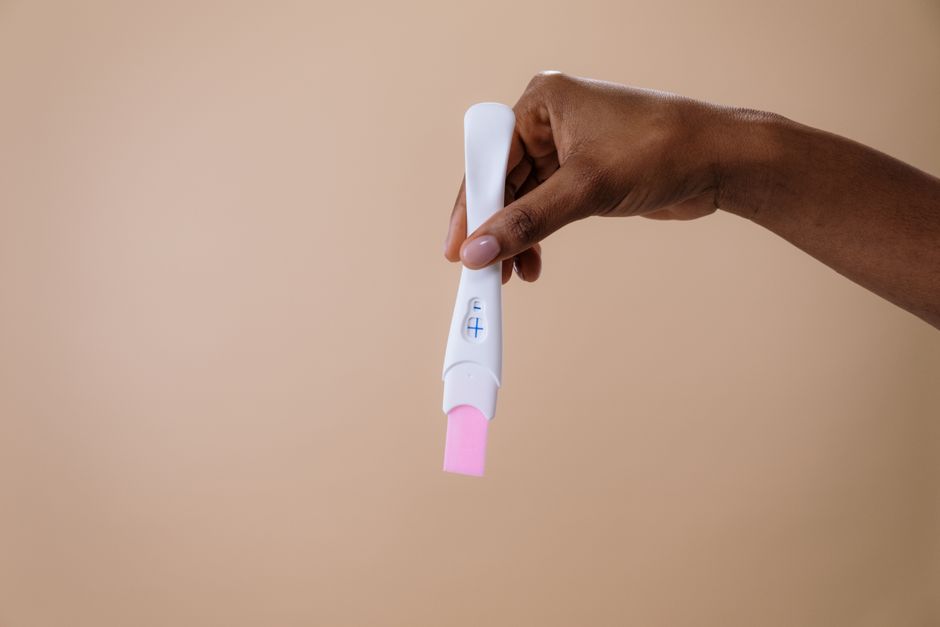
When you need to know if you are pregnant, the most accurate test is a laboratory blood test for human chorionic gonadotropin (hCG). These tests are nearly 100 percent accurate when performed correctly. For at-home use, a urine test strip that detects hCG is the most practical option, but its accuracy depends heavily on timing and how strictly you follow the instructions.
How Do Pregnancy Tests Actually Work?
All pregnancy tests detect a hormone called human chorionic gonadotropin. Your body only produces this hormone after a fertilized egg attaches to the lining of the uterus. That process is called implantation.
Before implantation, there is no hCG in your body. After implantation, hCG levels rise quickly. They typically double every 48 to 72 hours in early pregnancy. This rapid rise is what makes early detection possible.
Urine tests use antibodies that bind to hCG. When the hormone is present in your urine, it triggers a color change or a digital reading. Blood tests measure the exact amount of hCG in your bloodstream.
What Is The Most Accurate Pregnancy Test for Home Use?
For home testing, the most accurate option is a digital test that reports “Pregnant” or “Not Pregnant” in words. These tests remove the guesswork of reading faint lines. However, the technology inside them is similar to standard strip tests.
All FDA-approved home pregnancy tests are about 99 percent accurate when used exactly as directed. The real difference between brands comes down to sensitivity. Some tests detect hCG at lower levels than others.
A test that detects hCG at 10 mIU/mL is more sensitive than one that detects it at 25 mIU/mL. More sensitive tests can give a positive result a day or two earlier. But this advantage only matters if you test before your missed period.
If you test after your missed period, most brands perform equally well. The accuracy difference between brands becomes almost irrelevant at that point.
When Should You Take a Pregnancy Test?
Timing matters more than brand selection. Testing too early is the most common cause of a false negative result.
Your hCG levels need to reach a certain threshold before a urine test can detect them. This typically happens about 12 to 14 days after conception. For most women, that is around the time of a missed period.
Testing on the first day of your missed period gives you the best balance of early detection and accuracy. Testing earlier increases the chance of a false negative because your hCG levels may still be too low.
If you test early and get a negative result, wait two to three days and test again. Your hCG levels will have doubled by then, making detection much more likely if you are pregnant.




Blood Tests vs. Urine Tests: Which Is More Accurate?
Blood tests are the gold standard for pregnancy detection. They are performed in a doctor’s office or laboratory and measure hCG directly in your blood.
There are two types of blood tests. A qualitative blood test simply reports positive or negative. A quantitative blood test measures the exact amount of hCG in your blood.
The quantitative test is the most accurate pregnancy test available. It can detect very low levels of hCG, often as early as 6 to 8 days after ovulation. This is several days before most urine tests can detect pregnancy.
Blood tests are also useful for monitoring pregnancy progression. Doctors may order two quantitative tests 48 hours apart to confirm that hCG levels are rising normally.
The main downside of blood tests is convenience. They require a lab visit, a blood draw, and waiting for results. Results can take anywhere from a few hours to a day or more.
Why Do False Negatives Happen?
A false negative means the test says you are not pregnant when you actually are. This is far more common than a false positive.
The most frequent cause is testing too early. Your urine may not contain enough hCG for the test to detect.
Another common cause is diluted urine. Testing after drinking large amounts of fluid can lower the hCG concentration in your urine below the test’s detection threshold. Testing with your first morning urine is recommended because it is the most concentrated.
Some home tests are less sensitive than others. If you test early with a less sensitive test, you increase your chances of a false negative.
Certain medications containing hCG can affect results. Fertility treatments that include hCG injections can cause false positives. Most other medications, including birth control pills and antibiotics, do not interfere with pregnancy test accuracy.
Can Any Test Give a False Positive?
False positives are rare but possible. A false positive means the test says you are pregnant when you are not.
Chemical pregnancies are one cause. This happens when a fertilized egg implants briefly but stops developing. Your body produces hCG for a short time, which the test detects, but the pregnancy does not continue.
Certain medical conditions can also produce hCG. Some ovarian tumors and rare types of cancer can cause hCG production. This is uncommon but possible.
Using an expired test or reading results after the recommended time window can also lead to incorrect results. Always check the expiration date and follow the timing instructions exactly.
If you get a positive home test, confirm it with a healthcare provider. A blood test or a follow-up urine test in a clinical setting can verify the result.
How to Choose the Right Test for Your Situation
Consider your timeline first. If you are testing before your missed period, choose a test with high sensitivity. Look for tests that advertise “early detection” or claim to work 5 to 6 days before your missed period.
If you are testing after a missed period, any reputable brand will work. The accuracy differences between brands are negligible at this point.
Digital tests cost more but offer clearer results. They are worth the extra cost if you want to avoid interpreting faint lines.
Cheaper strip tests work just as well as expensive ones. The technology is essentially the same. The main difference is the housing and the digital display.
Regardless of which test you choose, read the instructions carefully. Using the test incorrectly is a leading cause of inaccurate results.
What to Do After You Get a Result
If you get a positive result, contact your healthcare provider. They can confirm the pregnancy with a blood test and discuss next steps.
If you get a negative result but your period does not start, wait a few days and test again. Your hCG levels may have been too low for detection on the first test.
If you continue to get negative results but experience pregnancy symptoms like breast tenderness, nausea, or fatigue, see a healthcare provider. They can perform a blood test that is more sensitive than any home urine test.
Remember that home pregnancy tests are highly accurate when used correctly. The most common error is testing too early, not using a faulty test.
Frequently Asked Questions
What is the most accurate pregnancy test brand?
No single brand is meaningfully more accurate than others when used after a missed period. All FDA-approved home tests are about 99 percent accurate when used correctly.
How many days after a missed period should I take a pregnancy test?
Testing on the first day of your missed period gives the most reliable result. Testing earlier increases the risk of a false negative.
Can a pregnancy test be wrong?
Yes, but false negatives are far more common than false positives. Testing too early or with diluted urine causes most false negatives.
Is a blood test more accurate than a urine test?
Yes. A quantitative blood test can detect lower levels of hCG than any urine test and can confirm pregnancy several days earlier.
