
Most older adults say they want to stay in their own home as they grow older. The major aspect of aging in place is safety — specifically, reducing the risk of falls and other injuries in a home that was never designed for an aging body. Falls are the leading cause of injury-related death among adults 65 and older in the United States, and most falls happen at home. Everything else about aging in place — independence, comfort, familiarity — depends on staying safe enough to remain there.
The phrase “aging in place” gets used loosely. Some people mean staying in the same house forever. Others mean staying in their community. Either way, the physical environment has to match the person’s changing abilities. That mismatch is where most problems start.
Why Is Fall Risk The Central Concern For Aging In Place?
Falls are the leading cause of injury-related death in adults 65 and older, according to the Centers for Disease Control and Prevention. They are also the most common reason older adults lose independence.
The mechanism is worth understanding. Balance depends on three systems working together: vision, the inner ear, and proprioception — the body’s sense of where it is in space, fed by nerves in the feet and joints. All three decline with age. Muscle strength and reaction time decline too. A step that a 40-year-old corrects without thinking can become a fall at 75.
Once a serious fall happens, the consequences compound. A hip fracture often means surgery, hospitalization, and a period of reduced mobility. Some people return home. Some do not. Research consistently shows that fear of falling after one incident leads many older adults to limit their activity, which then accelerates muscle loss and raises future fall risk. It becomes a loop.
The CDC notes that most falls are preventable. That is the practical point. Fall risk is not an unavoidable feature of aging. It is a combination of factors — some medical, some environmental — that can be addressed.
What Home Hazards Matter Most?
Tripping hazards and missing support are the two categories that account for most home falls. Both are fixable.
The bathroom deserves attention first. It combines hard surfaces, water, and transitions from sitting to standing. Grab bars in the shower and next to the toilet are one of the most consistently recommended modifications in clinical guidance. They must be anchored into studs or use proper wall anchors — a towel bar is not a grab bar and will pull out of drywall under a person’s weight.
Stairs are the other high-risk area. Handrails on both sides, good lighting, and clear edges on each step matter. So does removing loose carpet or rugs at the top and bottom of stairs.
Other common hazards include:
- Loose throw rugs and curled carpet edges
- Clutter on floors, especially in walkways and beside the bed
- Poor lighting in hallways, stairwells, and bathrooms
- Items stored on high shelves that require a stool or ladder
- Cords crossing walkways
- Pets underfoot, particularly at night
One thing people often miss: the path from bed to bathroom during the night. It is dark, the person is drowsy, and urgency is high. Nightlights along that route and a clear floor make a measurable difference.
Does Home Modification Actually Reduce Falls?
The evidence supports home safety assessment and modification as part of a broader fall prevention approach. It is not a standalone fix.
Clinical guidance generally recommends that older adults at increased fall risk receive a multifactorial assessment — reviewing medications, vision, balance, strength, and home environment together. Home hazard modification is one component. Research indicates that single interventions alone tend to produce smaller effects than combined approaches.
This matters because home modification is sometimes marketed as a complete solution. It is not. A grab bar does not correct poor balance caused by a medication side effect. Removing a rug does not rebuild leg strength. The environmental and the medical have to be addressed together.
Some clinicians recommend a formal home safety evaluation by an occupational therapist for people with known balance problems or a recent fall. Occupational therapists are trained specifically in the interaction between a person’s abilities and their daily environment. That is a more targeted assessment than a general checklist.
What About Strength, Balance, And Medication?
Muscle strength and balance are trainable at any age. This is one of the better-established findings in geriatric research.
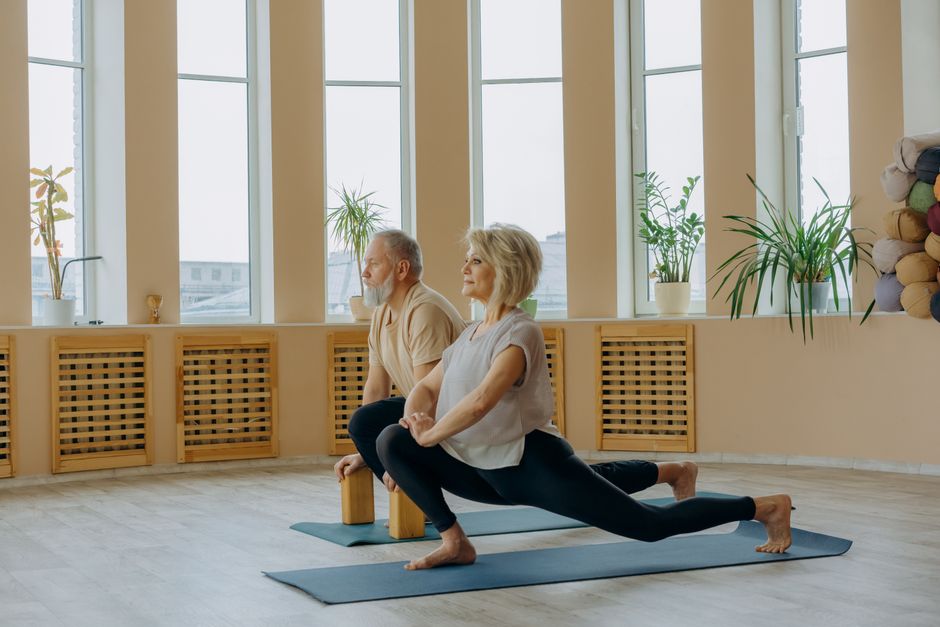
Programs that combine strength training with balance work — including tai chi and structured physical therapy — have been studied extensively for fall prevention. The evidence indicates they reduce fall risk in older adults, though the size of the benefit varies by program and population. The key features appear to be that the training is challenging enough to produce adaptation and that it continues over time. A few sessions do not produce lasting change.
Medications are the other underappreciated factor. Some drug classes are associated with dizziness, sedation, or orthostatic hypotension — a drop in blood pressure on standing that causes lightheadedness. These include certain blood pressure medications, sedatives, and some antidepressants. The relationship is not automatic, and many people take these drugs safely. But a medication review with a prescribing clinician or pharmacist is a reasonable step for anyone who has fallen or feels unsteady.
Vision matters too. Annual eye exams and updated prescriptions reduce risk. So does being careful with multifocal lenses on stairs — the lower portion of the lens can blur step edges.
How Do You Plan For Aging In Place Before A Crisis?
Planning ahead is far easier than reacting after a fall. The most useful step is an honest assessment of the home while the person is still fully mobile.
Walk through each room and ask a simple question: what would be hard here if I had less balance, less grip strength, or worse vision? The answers tend to be obvious once you look. Loose rugs. A tub that requires stepping over a high edge. A bedroom on the second floor with the only full bathroom downstairs.
Some modifications are inexpensive and reversible — grab bars, nightlights, a raised toilet seat, a shower chair. Others are structural and worth planning for: a first-floor bedroom, a walk-in shower, wider doorways. Renovation costs vary widely, and no single figure applies across the country.
It also helps to think about the broader picture, not just the house. Who is nearby? How far is the nearest hospital? Is there a plan for transportation if driving stops? Aging in place is not only about physical structure. It is about whether the surrounding community can support the person as abilities change.
One clarification worth making: aging in place does not mean never accepting help. It means staying in a familiar environment with appropriate support. Home care aides, adult day programs, and telehealth visits can all extend the time a person remains at home. The goal is independence with safety, not isolation.
What Signs Suggest It May Be Time To Reassess?
Certain changes are worth taking seriously. They do not automatically mean someone must leave home, but they warrant a closer look.
- A fall in the past year, even one without injury
- New difficulty with stairs, bathing, or rising from a chair
- Unexplained bruises or a reluctance to talk about how they happened
- Weight loss or a change in grooming that suggests difficulty with daily tasks
- Confusion about medications or missed doses
- Withdrawal from activities the person used to enjoy
Some of these overlap with signs of cognitive change, which should be evaluated by a clinician rather than attributed to “just getting older.” Normal aging does slow processing speed, but it does not cause a person to get lost in familiar places or forget how to use a stove. Those are worth a medical conversation.
The honest position on aging in place is this: it is achievable for many people, but it requires attention to safety, health, and the home environment together. The house alone is not the answer. The person’s body and the building have to be considered as one system.
Frequently Asked Questions
What is the biggest safety risk when aging in place?
Falls are the biggest safety risk, and most falls happen at home. Reducing fall risk through home modification, strength and balance exercise, and medication review is the core of safe aging in place.
What home changes help prevent falls in older adults?
Grab bars in the bathroom, handrails on both sides of stairs, better lighting, and removing loose rugs and clutter are the most commonly recommended changes. A home safety evaluation by an occupational therapist can identify risks specific to one person’s needs.
Can exercise really reduce fall risk in older adults?
Yes, research indicates that programs combining strength training with balance work reduce fall risk in older adults. The benefit depends on the training being challenging enough and continuing over time.
Does aging in place mean never needing help?
No. Aging in place means staying in a familiar environment with appropriate support, which can include home care aides, family help, and telehealth. The goal is safety and independence together, not isolation.
