
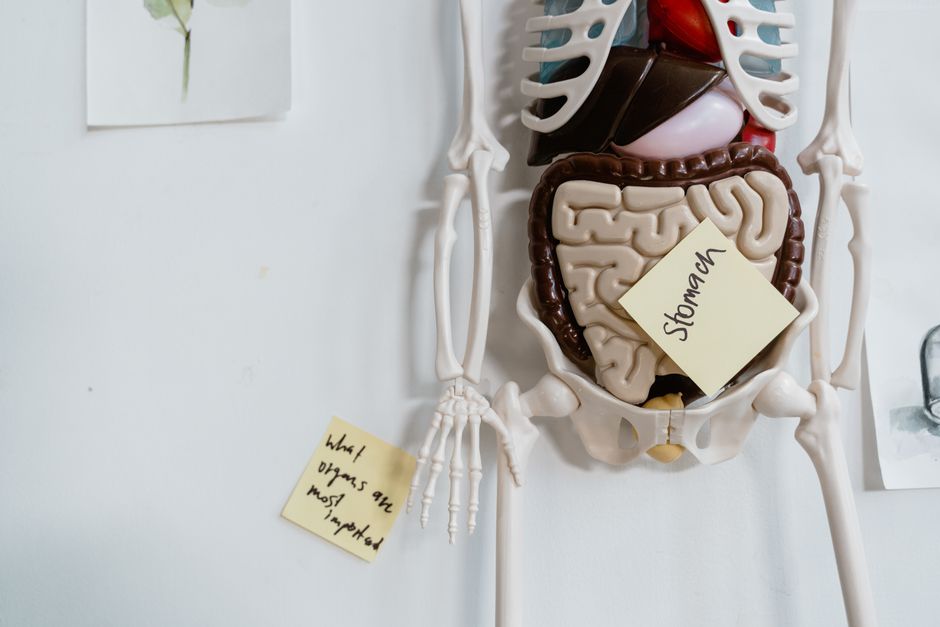
The large intestine’s main job is to absorb water and electrolytes from the material left over after digestion, turning liquid waste into solid stool. It also houses trillions of bacteria that ferment undigested fiber and produce compounds your body uses. In short, it reclaims what your small intestine did not absorb and prepares the rest for elimination.
Most people rarely think about their colon until something goes wrong. Yet this roughly five-foot-long organ does quiet, constant work every day. Understanding what it actually does helps make sense of everything from diarrhea and constipation to why fiber matters and why gut bacteria get so much attention.
What Happens to Food Once It Reaches the Large Intestine?
By the time digested food arrives at the large intestine, most nutrients are already gone. The small intestine has absorbed the bulk of carbohydrates, proteins, fats, vitamins, and minerals. What enters the colon is mostly water, undigested fiber, some resistant starch, and waste products.
The colon’s first task is water recovery. Each day, roughly a liter or more of fluid passes from the small intestine into the colon. The colon absorbs most of it back. This is why stool consistency depends heavily on how long material stays in the colon and how well that absorption works.
Movement is slow here compared with earlier in the gut. Muscle contractions called haustral contractions mix the contents and slowly push them along. This slow pace gives the colon hours to reclaim water and electrolytes. It also gives resident bacteria time to work on what remains.
Electrolytes matter too. Sodium and potassium are absorbed and secreted in the colon, and this balance affects both stool and your body’s fluid balance. When the colon is inflamed or infected, its ability to absorb water drops, which is one reason diarrhea happens.
How Does the Large Intestine Turn Liquid Waste Into Stool?
Stool formation is a direct result of water absorption and time. The longer material stays in the colon, the more water is removed and the firmer the stool becomes.
The colon moves contents toward the rectum through a mix of slow segmentation and occasional strong waves called mass movements. When stool reaches the rectum, stretch receptors signal the need to defecate. The internal anal sphincter relaxes involuntarily, while the external sphincter is under voluntary control. That combination is what lets you decide when and where.
Two common problems illustrate this system clearly. If the colon moves too fast, water does not get absorbed and stool stays loose — that is diarrhea. If it moves too slowly or absorbs too much water, stool becomes hard and difficult to pass — that is constipation. Neither is a disease by itself, but both point to how central water handling is to colon function.
What Role Do Gut Bacteria Play in the Colon?
The colon hosts the largest microbial population in the human body. These bacteria ferment fiber and resistant starch that your own enzymes cannot break down. This fermentation produces short-chain fatty acids, mainly acetate, propionate, and butyrate.
Butyrate is the best studied of these. It serves as a primary energy source for the cells lining the colon and helps maintain the gut barrier. This is one reason dietary fiber is linked to colon health, though the precise mechanisms and the size of the effect are still areas of active research.
Some of what these bacteria produce is absorbed and used by the body. The gut microbiome also interacts with the immune system and can influence inflammation. What is well established is that the colon is not a passive holding tank — it is metabolically active and shaped by what you eat.
What is less settled is how much specific bacterial changes translate into specific health outcomes. Many claims about probiotics and microbiome testing outrun the current evidence. Some studies suggest benefits in certain conditions, but results vary and no single approach works for everyone.




What Else Does the Large Intestine Absorb?
Beyond water and electrolytes, the colon absorbs some vitamins produced by bacteria, including certain B vitamins and vitamin K. The amount absorbed this way is generally modest compared with what you get from food, but it is not zero.
The colon also absorbs short-chain fatty acids, which contribute energy and influence metabolism. This is one reason why the colon is sometimes described as having a nutritional role, even though it is not where most nutrient absorption happens.
It is worth separating this from marketing claims. Products that promise to “detox” the colon or “cleanse” it are not supported by clinical evidence. The colon does not need cleansing. It removes waste on its own, and enemas or harsh laxatives used without medical reason can cause harm, including electrolyte problems.
How Does the Large Intestine Protect the Body?
The colon forms a barrier between the contents of your gut and the rest of your body. A layer of mucus, tightly joined cells, and immune tissue work together to keep bacteria and waste products where they belong.
This barrier is not perfect, and when it weakens, material can cross into the bloodstream. Researchers study this “leaky gut” concept in conditions like inflammatory bowel disease. How much it matters in otherwise healthy people is debated, and many commercial tests claiming to measure it are not well validated.
The colon also contains immune tissue that samples what passes through and helps the body distinguish harmless microbes from threats. This is a normal, ongoing process, not a sign of disease.
What Happens When the Large Intestine Stops Working Well?
Problems in the colon show up in predictable ways. Changes in stool frequency or consistency, blood in stool, persistent pain, or unexplained weight loss are all reasons to see a clinician.
Some conditions are common and manageable:
- Irritable bowel syndrome affects the colon’s function without visible damage; symptoms include pain, bloating, and altered bowel habits.
- Inflammatory bowel disease includes Crohn’s disease and ulcerative colitis, which involve chronic inflammation and can damage the colon.
- Diverticular disease involves small pouches in the colon wall that can become inflamed.
- Colorectal cancer is one of the most common cancers, and screening is recommended starting at age 45 for average-risk adults in the United States.
Screening matters because colon cancer often has no symptoms early on. The exact timing and method of screening should follow current guidance from your clinician, since recommendations can change.
How Can You Support Large Intestine Health?
Fiber and fluids are the two most direct supports for normal colon function. Fiber adds bulk and feeds gut bacteria, while fluids help the colon manage water balance. Most adults in the US fall short of recommended fiber intake, which is commonly cited as about 25 grams per day for women and 38 grams for men, though individual needs vary.
Physical activity is associated with more regular bowel movements. Staying active also supports overall digestive health, though the exact mechanisms are not fully pinned down.
What does not have strong evidence: colon cleansing, most “gut reset” supplements, and routine probiotic use in healthy people. Some people report benefits, but large trials have not consistently confirmed them. If you have a specific condition, talk with a clinician rather than relying on general products.
Frequently Asked Questions
What is the main function of the large intestine?
Its main job is absorbing water and electrolytes from leftover material and forming solid stool. It also hosts bacteria that ferment fiber and produce compounds the body can use.
Does the large intestine absorb nutrients?
It absorbs water, electrolytes, some short-chain fatty acids, and small amounts of certain vitamins. The bulk of nutrient absorption happens earlier, in the small intestine.
How long does food stay in the large intestine?
Material typically stays in the colon for many hours, often around a day or longer. This slow transit is what allows water absorption and stool formation.
Can you live without your large intestine?
Yes. People can live without a colon after surgical removal, but they often have more frequent, looser stools. The body adapts over time, though diet and medical management may be needed.
