
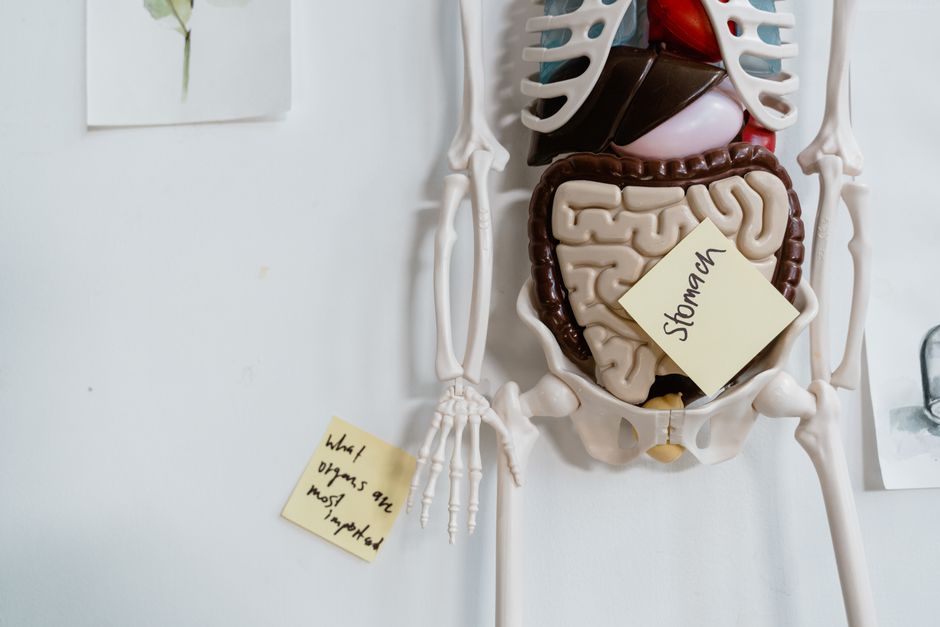
The digestive system does one main job: it breaks down the food you eat into tiny pieces your body can actually use. Everything else it does—absorbing water, moving food along, eliminating waste—supports that single goal. Without this breakdown process, the food you eat would simply pass through your body, and your cells would starve even if you ate three full meals a day.
What Exactly Does the Digestive System Do?
The digestive system’s main job is to convert food into fuel and building blocks. This process is called digestion. It turns the proteins, fats, and carbohydrates you eat into smaller molecules like amino acids, fatty acids, and simple sugars.
These small molecules pass through the intestinal wall into your bloodstream. From there, your body delivers them to every cell. Cells use these nutrients for energy, growth, and repair. The digestive system also extracts vitamins, minerals, and water from food, which are essential for nearly every bodily function.
This is not a single event. It is a continuous, coordinated process involving multiple organs. Each part has a specific role, and they work in sequence.
How Does Digestion Work Step by Step?
Digestion begins before you even take your first bite. The sight or smell of food triggers your salivary glands to produce saliva. This prepares your mouth for the mechanical and chemical breakdown that follows.
Mouth: Your teeth chew food into smaller pieces. Saliva contains an enzyme called amylase that starts breaking down carbohydrates. This is the first chemical step.
Esophagus: Swallowing pushes the chewed food into a muscular tube called the esophagus. Waves of muscle contractions, called peristalsis, move the food down to your stomach. This takes only a few seconds.
Stomach: Your stomach churns the food and mixes it with gastric juice. This juice contains hydrochloric acid and an enzyme called pepsin. Together they begin digesting proteins. The acid also kills most harmful bacteria that may be in your food.
Small intestine: This is where most digestion and absorption happen. The partially digested food moves from the stomach into the small intestine. Here, the pancreas releases enzymes that break down fats, proteins, and carbohydrates. The liver produces bile, stored in the gallbladder, which helps digest fats. The small intestine’s lining is covered with tiny finger-like projections called villi. These increase the surface area enormously, allowing nutrients to pass into the bloodstream.
Large intestine: Whatever is not absorbed moves into the large intestine. This organ absorbs water and electrolytes from the remaining material. It also houses trillions of bacteria that ferment undigested fiber and produce some vitamins, like vitamin K and certain B vitamins.
Rectum and anus: The remaining solid waste is stored in the rectum and eliminated through the anus. This is the final step of the process.
Why Is Digestion So Important for Overall Health?
Every system in your body depends on the nutrients your digestive system provides. Your brain needs glucose, a simple sugar derived from carbohydrates. Your muscles need amino acids from protein to rebuild after exercise. Your hormones are built from fats and cholesterol. If digestion fails, every one of these processes suffers.
Digestion also protects you. The stomach’s acid kills many pathogens before they can enter your body. The intestinal lining acts as a barrier, deciding what gets into your bloodstream and what stays out. This barrier function is a key part of your immune defense.
Poor digestion does not just cause stomach discomfort. It can lead to nutrient deficiencies. Over time, these deficiencies contribute to fatigue, weakened immunity, bone loss, and many other health problems. This is why digestive health is often described as the foundation of overall health—not because it is trendy, but because every cell depends on the nutrients digestion provides.




What Happens When the Digestive System Does Not Work Properly?
When digestion is impaired, symptoms vary depending on which part of the system is affected. Common signs include bloating, gas, abdominal pain, diarrhea, constipation, and heartburn. These symptoms can be temporary or chronic.
More serious conditions include celiac disease, where the immune system attacks the small intestine when gluten is eaten. Crohn’s disease and ulcerative colitis cause chronic inflammation in the digestive tract. Irritable bowel syndrome affects how the intestines contract, causing pain and altered bowel habits. These conditions require medical diagnosis and treatment.
If your body cannot absorb nutrients properly, you may develop deficiencies even with a healthy diet. This is called malabsorption. It can cause weight loss, anemia, and fatigue. If you have persistent digestive symptoms, see a doctor. Do not assume it is something you must live with.
How Can You Support Healthy Digestion?
Several habits are consistently linked to better digestive health. These are supported by solid evidence and are safe for most people.
- Eat a high-fiber diet. Fiber helps food move through your system and feeds the beneficial bacteria in your colon. Good sources include vegetables, fruits, whole grains, and legumes.
- Stay hydrated. Water helps dissolve fats and soluble fiber, making them easier to digest. It also helps prevent constipation.
- Chew your food thoroughly. Digestion starts in the mouth. Chewing breaks food into smaller pieces and mixes it with saliva, making the rest of the process easier.
- Stay physically active. Regular movement helps stimulate the muscles of your digestive tract.
- Manage stress. The gut and brain are directly connected. Chronic stress can alter digestion, slow it down, or speed it up.
Probiotics, found in yogurt and fermented foods, may support digestive health. Some studies suggest they help with certain conditions like antibiotic-related diarrhea. However, the evidence for their benefit in healthy people is not strong. They are not a cure for digestive problems. If you have a specific digestive condition, discuss probiotics with your doctor rather than self-treating.
Common Digestive Myths and What the Evidence Actually Shows
Myth: Detox cleanses reset your digestive system. No clinical evidence confirms that juice cleanses or detox teas remove toxins or improve digestion. Your liver and kidneys already do this job effectively. Most detox products are not regulated and can cause harm.
Myth: Eating at night causes weight gain because digestion stops. Digestion continues while you sleep. Weight gain comes from eating more calories than you burn, regardless of timing. That said, late-night eating is often linked to less healthy food choices and larger portions.
Myth: Spicy food causes stomach ulcers. This is false. The majority of stomach ulcers are caused by a bacterium called Helicobacter pylori or by regular use of nonsteroidal anti-inflammatory drugs like ibuprofen. Spicy food may worsen symptoms in people who already have ulcers, but it does not cause them.
Myth: You need to drink eight glasses of water a day for digestion. There is no single magic number. Your fluid needs depend on your size, activity level, climate, and diet. Water-rich foods like fruits and vegetables also count toward your intake. The best guide is thirst and the color of your urine—pale yellow generally means you are well hydrated.
Frequently Asked Questions
What is the main job of the digestive system?
The main job is to break down food into nutrients your body can absorb and use for energy, growth, and repair. It also eliminates the waste that remains after nutrients are extracted.
How long does digestion take?
Digestion takes about 24 to 72 hours from the time you eat until the waste leaves your body. Food spends roughly 2 to 5 hours in the stomach and 2 to 6 hours in the small intestine, with the rest of the time in the large intestine.
Which organ does most of the digesting?
The small intestine does most of the actual digestion and nearly all of the nutrient absorption. It is about 20 feet long and its folded lining gives it a surface area roughly the size of a tennis court.
Can poor digestion cause weight gain?
Poor digestion can contribute to weight changes, but the relationship is complex. Conditions like slow motility can cause bloating and constipation, while malabsorption can cause weight loss. Weight gain is usually driven by calorie intake and metabolism, not digestion alone.
