
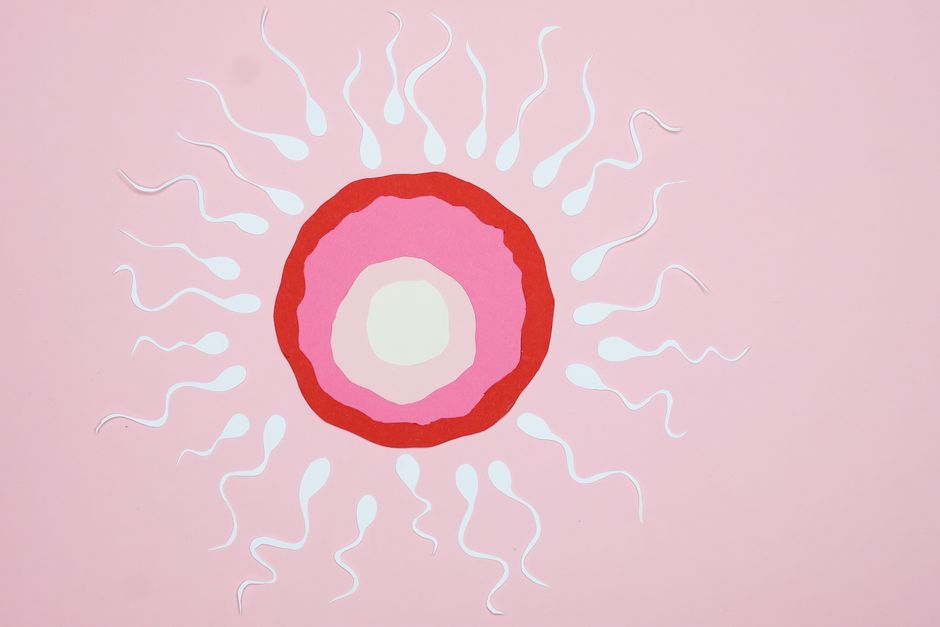
Every child you have ever met is the result of a cellular reshuffling act that happened in their parents’ bodies. Meiosis is the specialized cell division that produces sperm and eggs, and it is the reason each of us is genetically unique rather than a copy of either parent. Without meiosis, sexual reproduction as it exists in humans and most other organisms would not be possible.
The importance of meiosis to reproduction comes down to two jobs. It halves the number of chromosomes so a sperm and egg can combine without doubling the total, and it shuffles genes into new combinations so offspring differ from their parents and from each other. Both jobs are essential. If either one fails, reproduction either cannot happen or produces offspring with serious genetic problems.
What Is The Importance Of Meiosis To Reproduction?
Meiosis produces reproductive cells with half the normal chromosome number, and it creates genetic variation in the process. Those two outcomes are what make sexual reproduction work.
Human body cells carry 46 chromosomes, arranged in 23 pairs. One chromosome of each pair comes from your mother, one from your father. Ordinary cell division, called mitosis, copies all 46 so a skin cell or liver cell can be replaced with an identical one. Meiosis does something different. It produces cells with 23 chromosomes each — one from each pair.
When a sperm carrying 23 chromosomes fertilizes an egg carrying 23 chromosomes, the result is a single cell with 46. That cell divides by mitosis again and again to build a whole person. The chromosome number stays stable across generations because meiosis halves it and fertilization restores it. Without that halving, each generation would double the chromosome count, which is not survivable.
The second job — mixing genes — matters just as much. During meiosis, chromosomes from your mother and father physically swap segments in a process called crossing over. The resulting sperm or egg carries chromosomes that are part mother’s, part father’s, in combinations that have never existed before. That is why siblings raised in the same home can look and behave so differently despite sharing parents.
How Does Meiosis Prevent Chromosome Doubling Across Generations?
Meiosis is a reduction division. It cuts the chromosome number in half, and that halving is what keeps the count stable from one generation to the next.
Think about what would happen without it. If sperm and egg each carried 46 chromosomes, the fertilized egg would have 92. The next generation would carry 184. Cells cannot function with that much extra genetic material, and the process would collapse quickly.
Meiosis solves this by dividing twice but copying the DNA only once. One starting cell with 46 chromosomes produces four cells, each with 23. Those are the sperm or eggs. When two of them meet at fertilization, the total returns to 46 — the same number the parents had.
This is why the chromosome count in humans has stayed at 46 across thousands of generations. Meiosis and fertilization are two halves of a cycle. Each one undoes what the other does to the chromosome number.
How Does Crossing Over Create Genetic Diversity?
Crossing over physically exchanges DNA between paired chromosomes, and it is the main source of the genetic variety that sexual reproduction produces.
During the first stage of meiosis, matching chromosomes from each parent line up side by side. They are similar but not identical — one carries your mother’s versions of genes, the other your father’s. The chromosomes then break at corresponding points and rejoin, swapping sections. The result is a chromosome that is a genuine mix of both grandparents’ DNA.
A second layer of variety comes from how chromosomes separate. Each sperm or egg gets a random assortment of the 23 pairs — some from the mother’s side, some from the father’s. With 23 pairs, the number of possible combinations is enormous, well over 8 million before crossing over is even counted. Add crossing over and the number of genetically distinct sperm or eggs a single person can produce becomes astronomically large.
This matters for survival of a species, not just for family resemblance. Genetic diversity means a population is less likely to be wiped out by a single disease or environmental change. If every individual carried identical genes, one vulnerability could affect everyone at once.
What Happens When Meiosis Goes Wrong?
Errors in meiosis are common and are a leading cause of miscarriage and certain genetic conditions. Most of these errors happen during the separation of chromosomes, not during crossing over.
Sometimes a pair of chromosomes fails to separate properly. One resulting sperm or egg ends up with an extra chromosome, another with one too few. This is called nondisjunction. If a sperm or egg with an abnormal chromosome count fertilizes or is fertilized, the resulting embryo has an abnormal number of chromosomes in every cell.
Down syndrome is the best-known example. It is usually caused by an extra copy of chromosome 21, giving 47 chromosomes instead of 46. Most other chromosome errors are not compatible with survival, and many pregnancies affected by them end in early miscarriage. Research indicates that a substantial share of miscarriages in the first trimester involve chromosomal abnormalities, though estimates vary across studies.
The risk of these errors is not evenly distributed. It rises with the age of the mother, particularly after the mid-thirties, and the increase is well documented in clinical data. The reasons are not fully understood. One factor is that a woman’s eggs are formed before birth and held in an arrested state for decades, so the cellular machinery that separates chromosomes has to function correctly after many years of waiting. Sperm are produced continuously, which is why age effects on sperm-related chromosome errors are much less pronounced.
How Is Meiosis Different From Mitosis?
Mitosis makes identical copies for growth and repair. Meiosis makes genetically unique cells for reproduction. The two processes serve entirely different purposes.
Mitosis takes one cell and produces two daughter cells with the same 46 chromosomes. It is how you grow from a single cell into an adult, and how your body replaces worn-out cells throughout life. The genetic material is copied faithfully, and the offspring cells are essentially clones.
Meiosis takes one cell and produces four cells with 23 chromosomes each, all genetically different from the parent cell and from each other. It happens only in the reproductive organs — the testes and ovaries in humans.
- Purpose: Mitosis is for growth and repair. Meiosis is for making sperm and eggs.
- Chromosome number: Mitosis keeps 46. Meiosis halves it to 23.
- Number of cells produced: Mitosis produces two. Meiosis produces four.
- Genetic outcome: Mitosis produces identical copies. Meiosis produces unique cells.
- Where it happens: Mitosis happens throughout the body. Meiosis happens only in reproductive tissue.
Both processes are essential, and they do not substitute for each other. A body that could only do mitosis could grow but could not reproduce sexually. A body that could only do meiosis could not build or maintain itself.
Why Does Genetic Variation Matter for Offspring Survival?
Genetic variation gives offspring a better chance of surviving disease and environmental change, and meiosis is the process that generates it.
When a population carries a wide range of gene variants, a new pathogen or a shift in climate is unlikely to threaten everyone equally. Some individuals will carry variants that offer protection. Others will not. The population as a whole persists even if many individuals are lost.
This is why sexual reproduction is so widespread in nature despite its costs. An organism that reproduces asexually can pass on its genes quickly and efficiently. But its offspring are essentially copies, and a single threat can eliminate an entire line. Meiosis trades some efficiency for variety, and over evolutionary time that trade has proven valuable.
There is a detail here that often gets overlooked. The variation meiosis creates is not random in the sense of being chaotic — it is structured. Crossing over happens at predictable points, and chromosome assortment follows the rules of inheritance. That structure is what allows traits to be inherited in patterns that can be studied and, in some cases, predicted.
Does Meiosis Affect Fertility and Reproductive Health?
Meiosis has to work correctly for fertility, and problems with it are a real cause of difficulty conceiving and of pregnancy loss.
In men, meiosis happens continuously in the testes from puberty onward, producing sperm throughout adult life. Errors can occur, but they are less common than in eggs, largely because the process is ongoing rather than paused for decades.
In women, meiosis begins before birth. All the eggs a woman will ever have are formed as immature cells while she is still a fetus, and they stay paused in an early stage of meiosis until each one is triggered to complete the process just before ovulation. That pause can last 40 years or more. The longer the pause, the greater the chance that the machinery separating chromosomes fails, which is part of why chromosome errors and miscarriage risk rise with maternal age.
The evidence on paternal age and chromosome errors in sperm is less consistent. Some studies suggest an increased risk of certain genetic conditions with older fathers, but the effect is smaller and less clearly established than the maternal age effect. Anyone concerned about fertility or pregnancy loss should speak with a clinician, since many causes are identifiable and some are treatable.
Frequently Asked Questions
What is the main importance of meiosis to reproduction?
Meiosis halves the chromosome number so sperm and egg can combine without doubling it, and it creates genetic variation in offspring. Both outcomes are required for sexual reproduction to work.
How many chromosomes do human sperm and eggs have?
Human sperm and eggs each carry 23 chromosomes, half the 46 found in body cells. When they combine at fertilization, the total returns to 46.
What happens if meiosis does not occur correctly?
Errors in meiosis can produce sperm or eggs with too many or too few chromosomes, which can cause miscarriage or genetic conditions such as Down syndrome. Most chromosome errors are not compatible with survival.
Does meiosis happen in both males and females?
Yes, but the timing differs. In males it runs continuously from puberty onward, while in females the eggs are formed before birth and pause in meiosis for years or decades.
