
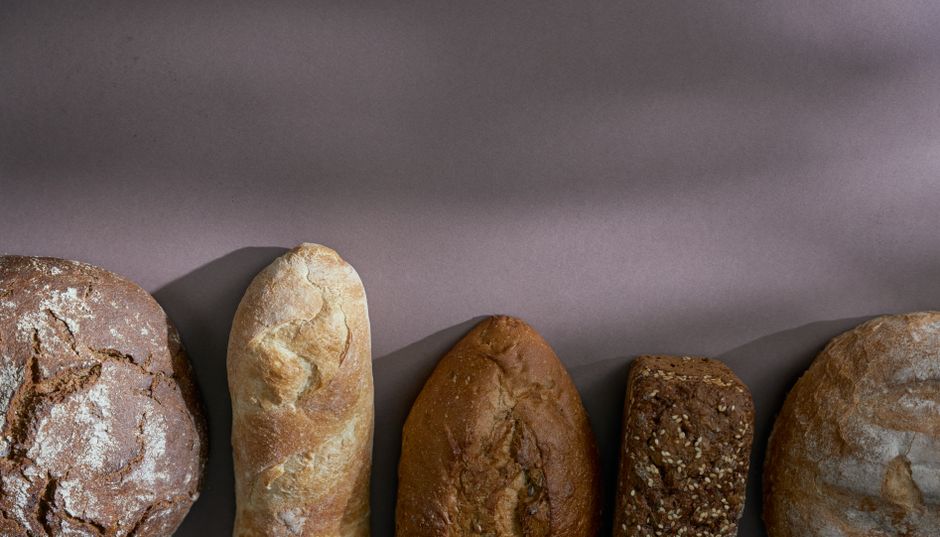
The healthiest bread is one made from 100% whole grains, with minimal added sugar and sodium, and a short ingredient list you can pronounce. Look for “100% whole wheat” or “100% whole grain” as the very first ingredient. Breads made from intact or coarsely ground whole grains deliver more fiber, vitamins, and minerals than refined white bread, which has been stripped of its most nutritious parts during milling.
What Makes One Bread Healthier Than Another?
Most commercial bread starts the same way: flour, water, yeast, and salt. The difference comes down to what happens to the grain before it becomes flour.
Refined white flour comes from wheat that has had the bran and germ removed. The bran is the fibrous outer shell. The germ is the nutrient-rich embryo of the kernel. What remains is mostly starch. This process extends shelf life and creates a softer texture, but it removes most of the fiber and a large share of the B vitamins, iron, and antioxidants.
Whole grain flour keeps all three parts of the kernel: the bran, the germ, and the endosperm. Research consistently shows that diets rich in whole grains are linked to lower risks of heart disease, type 2 diabetes, and certain cancers. A 2020 analysis in the British Medical Journal found that higher whole grain intake was associated with lower risk of cardiovascular disease and death from any cause.
Fiber is the main reason. Whole grain bread typically provides 3 to 5 grams of fiber per slice, depending on the brand. White bread usually provides less than 1 gram per slice. Fiber slows digestion, stabilizes blood sugar, feeds beneficial gut bacteria, and helps you feel full longer.
What Is The Healthiest Bread? Look For These Labels
The label “whole wheat” does not guarantee a healthy product. Many breads labeled “wheat bread” are mostly refined flour with a small amount of whole wheat added for color and marketing appeal.
Here is what to check on the ingredient list:
- “100% whole wheat” or “100% whole grain” must appear on the package or as the first ingredient. If the label says “wheat bread” without the “100%,” it is likely refined.
- Whole grains should be the first ingredient. Ingredients are listed by weight. If “enriched wheat flour” or “unbleached wheat flour” appears first, the bread is mostly refined.
- Fiber content of at least 3 grams per slice. This is a reliable shortcut. Breads with less than 2 grams of fiber per slice are not meaningfully whole grain.
- Short ingredient list. A basic whole grain bread has flour, water, yeast, salt, and perhaps a sweetener or oil. Long lists with preservatives and dough conditioners are not automatically unhealthy, but they signal a highly processed product.
Some breads add extra wheat bran or isolated fiber to boost the fiber number on the label. This is not the same as intact whole grain. Check whether the whole grain flour itself is listed first, not just added fiber ingredients.
Is Sourdough Healthier Than Regular Bread?
Sourdough is made through fermentation. Wild yeast and lactic acid bacteria break down some of the starches and proteins in the dough over many hours. This process changes the bread’s nutritional profile in measurable ways.
The fermentation lowers the bread’s glycemic index. This means sourdough causes a slower, smaller rise in blood sugar compared to bread made with commercial yeast. Some studies indicate this effect is strongest when the sourdough is made from whole grain flour, not refined white flour.
Sourdough also contains less phytate. Phytate is a compound in grains that can bind to minerals like iron, zinc, and magnesium and reduce their absorption. The fermentation process breaks down phytate, which may make minerals in the bread more available to your body.
However, sourdough is not automatically healthy. A sourdough made from white flour still lacks the fiber and nutrients of a whole grain version. The healthiest choice is a 100% whole grain sourdough if you can find one. Many bakeries make sourdough from refined flour, so check the ingredient list just as carefully.





What About Sprouted Grain Breads?
Sprouted grain breads are made from whole grains that have been allowed to germinate before being milled and baked. The sprouting process activates enzymes that break down starches and proteins, and it increases the availability of certain nutrients.
Research shows that sprouted grains contain higher levels of certain vitamins, including vitamin C and B vitamins, compared to unsprouted grains. The process also reduces phytate further, similar to sourdough fermentation. Some studies suggest sprouted grain breads produce a lower blood sugar response than regular whole wheat bread, though results vary by brand and formulation.
One practical advantage: sprouted grain breads are often dense and heavy, which means they are rarely made with large amounts of refined flour. Brands like Ezekiel and Silver Hills use only sprouted whole grains and legumes. These breads typically provide 4 to 6 grams of protein and 3 to 5 grams of fiber per slice.
Sprouted breads are a good choice, but they are not categorically superior to well-made 100% whole grain bread. Both provide the core benefits of intact whole grains. The sprouting process adds modest nutritional improvements but does not transform an unhealthy bread into a healthy one.
Which Bread Should You Avoid?
Breads made primarily from refined flour are the ones to limit. This includes most standard white bread, many “honey wheat” varieties, and most commercial sandwich breads that list enriched flour first.
Beyond refined flour, watch for added sugar. Many commercial breads contain 3 to 5 grams of added sugar per slice. That is roughly one to two teaspoons of sugar in two slices of bread. For comparison, the American Heart Association recommends limiting added sugar to 25 grams per day for women and 36 grams per day for men. Two slices of sweetened bread can use up a significant portion of that allowance.
Sodium is another hidden concern. Bread is one of the largest sources of sodium in the American diet, not because each slice is extremely salty, but because people eat it daily. Some commercial breads contain 180 to 230 milligrams of sodium per slice. Two slices contribute nearly 500 milligrams, which is about one-fifth of the recommended daily limit of 2,300 milligrams.
Dough conditioners and preservatives like azodicarbonamide, calcium propionate, and DATEM are common in commercial bread. These ingredients are generally recognized as safe by the FDA, but they serve the manufacturer’s interests in shelf life and texture, not your health. They are not necessarily harmful, but their presence signals a heavily processed product.
Is Gluten-Free Bread Healthier?
For people with celiac disease or non-celiac gluten sensitivity, gluten-free bread is medically necessary. For everyone else, gluten-free bread is not healthier than whole grain bread.
Gluten-free breads are often made from refined starches like white rice flour, tapioca starch, and potato starch. These flours are low in fiber and protein. Many gluten-free breads contain more added sugar and fat than regular bread to compensate for the texture and flavor that gluten provides.
Some gluten-free breads are made with whole grain gluten-free flours like brown rice flour, oat flour, buckwheat, or teff. These are better choices. But even these lack the specific benefits of wheat-based whole grains, which have the most research behind them for disease prevention.
If you do not have a diagnosed gluten-related condition, there is no evidence that avoiding gluten improves health or aids weight loss. The gluten-free section of the bakery is not a health food section.
How To Choose The Best Bread At The Store
Here is a practical approach to picking a healthy bread in the bakery aisle:
- Pick up the loaf and look at the first ingredient. It should say “whole wheat flour” or “whole grain flour.”
- Check the fiber line on the nutrition label. Aim for at least 3 grams per slice.
- Check the sugar line. Look for less than 2 grams of added sugar per slice.
- Check the sodium line. Look for less than 150 milligrams per slice.
- Check the ingredient list for whole grains listed before any refined flour.
Consider the ingredient ratio: whole grain flour should be the first ingredient, and the total amount of whole grains should exceed any refined flour in the loaf. Some breads list multiple refined flours separately, which can hide the fact that refined grains collectively outweigh the whole grains.
If you buy from a bakery, ask directly. Many bakery employees know whether their bread is made with whole grain flour or a mix. A bread that is dark brown is not necessarily whole grain. Caramel coloring or molasses can create a dark color without whole grains.
Does Bread Fit Into A Healthy Diet?
Yes. Bread is not inherently unhealthy. The problem is the type of bread most people eat most often.
A 2021 study in the journal Nutrients examined the relationship between bread consumption and diet quality in American adults. The researchers found that people who ate whole grain bread had higher overall diet quality scores and consumed more fiber, magnesium, and folate than people who ate refined bread. The refined bread eaters consumed more added sugar and less fiber overall.
The issue is not bread itself. It is the displacement effect. When you eat refined bread, you are filling space in your diet that could hold more nutritious food. A sandwich made with white bread and deli meat is a different meal than a sandwich made with whole grain bread and vegetables.
For most people, eating two to three servings of whole grain bread per day is consistent with a healthy diet. The USDA’s Dietary Guidelines for Americans recommend that at least half of your daily grain intake come from whole grains. For a person eating 6 ounces of grains per day, that means at least 3 ounces should be whole grains. One slice of whole grain bread typically counts as 1 ounce equivalent.
Frequently Asked Questions
Is whole wheat bread the same as whole grain bread?
No. Whole wheat bread is made only from wheat, while whole grain bread can be made from wheat, oats, barley, rye, or other grains. Both are healthy if they are 100% whole grain and list whole grain flour as the first ingredient.
What is the healthiest bread for weight loss?
100% whole grain bread with at least 3 grams of fiber per slice is the best choice for weight management because fiber increases fullness. Sprouted grain breads are also a good option since they are dense and high in fiber and protein.
Is rye bread healthier than wheat bread?
Dark rye bread can be very healthy if it is made from whole rye flour, but many commercial rye breads are mostly refined wheat flour with rye flavoring. Check the ingredient list to confirm whole rye flour is listed first.
How much bread can I eat per day?
The USDA recommends that at least half of your daily grain intake come from whole grains, which for most adults means 3 or more ounce-equivalents of whole grain bread per day. Individual needs vary based on calorie intake and activity level.
